Vom Homefy-Redaktionsteam · Geprüft und aktualisiert am 24. Juli 2026
Redaktionelle Methode: Die praktischen Empfehlungen wurden mit den beiden maßgeblichen Quellen abgeglichen, die weiter unten im jeweiligen Zusammenhang genannt werden. Produktanweisungen und geltende örtliche Vorschriften haben Vorrang vor Gestaltungsregeln.
Kurzantwort: Betrachten Sie die Höhenregel für Badspiegel als vermessenen Ausgangspunkt, nicht als starre Formel. Orientieren Sie sich zunächst an der Person, die den Raum hauptsächlich nutzt, sowie an den festen Begrenzungen. Testen Sie den Entwurf in Originalgröße und übernehmen Sie ihn nur, wenn er ausgewogene Proportionen, eine bequeme Reichweite und freie Bewegungsflächen rund um das Möbelstück oder feste Bauteil gewährleistet.
Die richtige Badspiegelhöhe für ein ausgewogenes Spiegelbild auf Augenhöhe
Wenn Ihr Badspiegel über dem Waschtischunterschrank unangenehm hoch, zu niedrig oder unpassend dimensioniert wirkt, sind Sie nicht allein. Ein häufiges Gestaltungsproblem besteht darin, kein angenehmes Spiegelbild auf Augenhöhe zu erreichen und zugleich die Gesamtwirkung des Raums aus dem Gleichgewicht zu bringen. Ein Spiegel sollte mehr leisten, als nur Ihr Gesicht zu zeigen: Er muss den täglichen Gebrauch erleichtern und einen ansprechenden Blickfang bilden.
Die Höhenregel für Badspiegel gilt als bewährter Maßstab: Üblicherweise liegt die Spiegelmitte etwa 40 bis 45 Zoll über dem Boden. Diese einfache Orientierung verbessert die Nutzbarkeit für Erwachsene und Kinder sowie bei barriereärmeren Badgrundrissen und sorgt zugleich für ein besseres Größenverhältnis zum Waschtisch. Sie ist außerdem entscheidend für die ideale Spiegelhöhe auf Augenhöhe und eine durchdachte Platzierung über dem Waschtisch.
In den folgenden Abschnitten lernen Sie die wichtigsten Regeln, praktische Formeln, Gestaltungselemente und häufigen Fehler kennen. So wird aus einer unpassenden Spiegelposition eine fachgerecht wirkende Lösung. Wenn Sie zugleich einen kompakten Raum erneuern, finden Sie in diesen Einrichtungsideen für kleine Badezimmer weitere Anregungen.

Grundregeln für die ideale Höhe und Gestaltung des Badspiegels
Die Grundlage eines stimmig gestalteten Badezimmers bildet die Höhenregel für Badspiegel. In den meisten Wohnungen sollte die Spiegelmitte etwa 40 bis 45 Zoll über dem fertigen Fußboden liegen. Das ermöglicht Erwachsenen zwischen 5 Fuß 4 Zoll und 5 Fuß 9 Zoll ein angenehmes Spiegelbild auf Augenhöhe. In Familienbädern eignet sich für Kinder eine niedrigere Mitte von 38 bis 42 Zoll; größere Personen benötigen unter Umständen 45 bis 50 Zoll. Als allgemeine Orientierung sollte die Oberkante bei durchschnittlich großen Nutzern zwischen 75 und 80 Zoll liegen, damit Funktion und Ausgewogenheit erhalten bleiben.
Ebenso wichtig ist das richtige Größenverhältnis zum Waschtisch. Üblicherweise sollte der Spiegel 70 bis 90 Prozent der Waschtischbreite einnehmen und etwa 30 bis 36 Zoll hoch sein. Dadurch entsteht eine klare, gut proportionierte Wirkung, bei der Waschtisch und Spiegel optisch zusammengehören, ohne dass der Spiegel überdimensioniert oder zu klein erscheint.
Schaffen Sie vor der Montage zunächst eine neutrale Ausgangslage: Entfernen Sie veraltete Beschläge, messen Sie die Augenhöhe des Nutzers und markieren Sie die Position sorgfältig. Wenden Sie anschließend einfache Gestaltungsregeln im Waschtischbereich an: Bleiben Sie bei einer einheitlichen Farbpalette, kombinieren Sie hohe und kleine Accessoires, ergänzen Sie natürliche Elemente und beachten Sie die Drittelregel – ein Drittel Spiegel, ein Drittel Gegenstände auf dem Waschtisch und ein Drittel freie Fläche. Verwenden Sie für eine optimale Position stets eine Wasserwaage und richten Sie die Wandleuchten ungefähr auf Augenhöhe aus, um Beleuchtung und Spiegelbild zu verbessern.
Bewährte Formeln für die Badspiegelhöhe und ein Leitfaden für jede Ablage
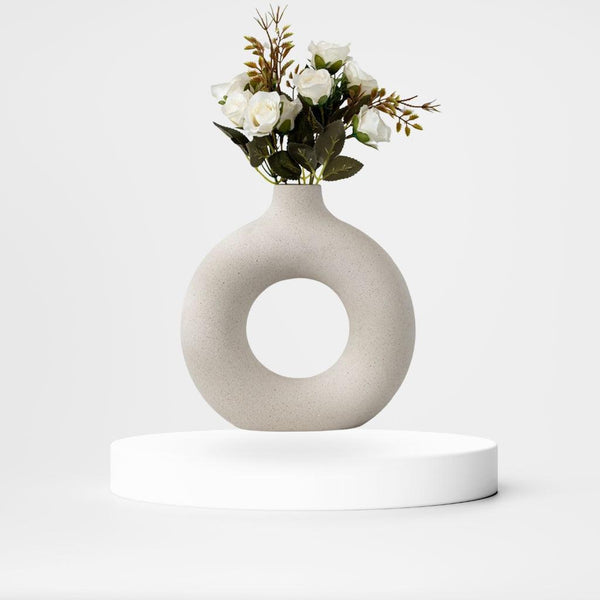
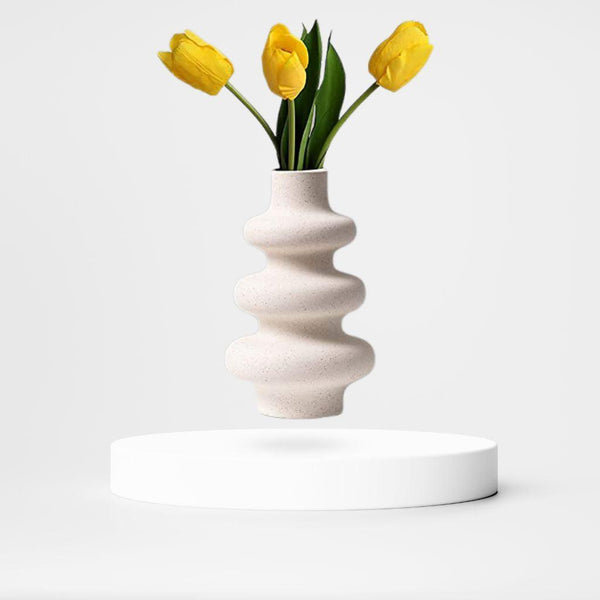
Sobald die Höhenregel für den Badspiegel feststeht, lässt sich der Bereich um den Waschtisch deutlich leichter gestalten. Eine zuverlässige Methode sind einfache Dekorationsformeln, die ein Spiegelbild auf Augenhöhe unterstützen, ohne den Spiegel optisch zu überladen. Formel 1 kombiniert einen waagerechten Stapel, etwa gefaltete Handtücher, mit einem höheren Element wie einer Vase, um unterhalb des Spiegels Höhe zu schaffen. Formel 2 setzt auf einen angelehnten Rahmen und gestaffelte Objekte an den Rändern. Das verleiht Wärme und Persönlichkeit, ohne das Größenverhältnis zum Waschtisch zu beeinträchtigen.
Bei einem Waschtischunterschrank mit fünf Ebenen sollte die oberste Ablage luftig bleiben; eine hohe Vase gegenüber dem Spiegel schafft Ausgewogenheit. Auf der zweiten Ablage eignen sich ein waagerechter Stapel und ein angelehnter Rahmen nahe der Augenhöhe. Nutzen Sie die mittlere Ebene für eine dichtere Kombination aus Grünpflanzen und Tabletts, die vierte für persönliche Akzente wie Erbstücke und die unterste für Körbe oder praktische Aufbewahrung. Diese Abstufungen erzeugen Tiefe, verhindern eine flache Wirkung und halten den Spiegel optisch frei.
Wenn Sie gern mit klaren Dekorationsformeln arbeiten, bietet dieser zeitlose Leitfaden für eine stilvolle Gestaltung weitere Anregungen für einen ansprechenden Waschtischbereich.

Wichtige Elemente, häufige Fehler und Profi-Tipps für eine bessere Spiegelposition
Ein gelungenes Badezimmer beginnt mit einer durchdachten Staffelung. Verwenden Sie funktionale Grundlagen wie Handtücher und Tabletts unten im Waschtischbereich. Ergänzen Sie dann hohe Elemente wie Vasen oder Wandleuchten, um die Höhenregel für Badspiegel überzeugender umzusetzen und das Spiegelbild auf Augenhöhe zu verbessern. Persönliche Details wie gerahmte Fotos oder kleine Erinnerungsstücke lassen sich unterhalb des Spiegels gruppieren; Zweige oder Pflanzen lockern die Gestaltung auf und bringen Struktur hinein.
Einer der häufigsten Fehler ist ein zu hoch oder zu niedrig aufgehängter Spiegel. Das erschwert die tägliche Nutzung und schwächt die Gesamtgestaltung. Am einfachsten messen Sie zuerst Ihre Augenhöhe und wenden anschließend die Höhenregel für Badspiegel gezielt an. Ein weiteres Problem ist ein ungünstiges Größenverhältnis zum Waschtisch, meist durch einen zu breiten oder zu schmalen Spiegel. Begrenzen Sie die Anordnung für eine ausgewogene Wirkung auf etwa 60 Prozent Dekoration und 40 Prozent Freiraum. Unterschiedliche Größen und Ausrichtungen sorgen zudem für ein dynamischeres, professionelles Ergebnis.

Entscheidungshilfe für die Höhe des Badspiegels
Was vor einer Veränderung des Raums zu prüfen ist
Beginnen Sie bei der Festlegung der Badspiegelhöhe mit der größten Einschränkung und der Person, die den Raum am häufigsten nutzt. Eine benachbarte Entscheidung kann das Ergebnis verändern. Vergleichen Sie Ihren Plan daher mit dem Leitfaden zum Aufhängen von Bildern auf Augenhöhe, bevor Sie ein Maß, ein Verhältnis oder eine Gestaltungsgewohnheit als endgültig betrachten. Ziel ist nicht, eine Formel perfekt nachzubilden, sondern Blickpunkthierarchie, Größenverhältnisse und Alltagsfunktion miteinander in Einklang zu bringen.
| Entscheidungsfaktor | Was zu prüfen ist | Warum es wichtig ist |
|---|---|---|
| Hauptnutzer | Aus der Sitz-, Steh- oder Arbeitsposition messen | Sorgt für eine komfortable Lösung |
| Platzbedarf des Objekts | Gesamte Breite, Tiefe und Bedienfläche markieren | Zeigt Konflikte vor Kauf oder Montage |
| Bewegungsflächen | Alle Wege abgehen und benachbarte Türen betätigen | Gewährleistet ungehinderte Alltagsbewegungen |
So vergleichen Sie zwei praktikable Lösungen
Wenn Sie zwei mögliche Badspiegelhöhen vergleichen, bilden Sie beide Varianten in Originalgröße nach, fotografieren Sie sie vom Eingang und von der wichtigsten Nutzungsposition aus und notieren Sie, was jede Version verbessert oder beeinträchtigt. Stimmen Sie das Umfeld mithilfe der Einrichtungsideen für mehr Platz in kleinen Wohnzimmern ab. Dieser Vergleich zeigt häufig, ob das scheinbare Problem tatsächlich von dieser Regel oder von einer benachbarten Entscheidung zu Farbe, Beleuchtung, Möbeln oder Stauraum herrührt.
Eine praktische Schritt-für-Schritt-Methode
Messen, nachbilden und beobachten
Gehen Sie beim Testen der Badspiegelhöhe in umkehrbaren Schritten vor und beziehen Sie Türen, Schubladen, Schalter, Lüftungsöffnungen sowie den Zugang für die Reinigung ein. Wenn sich die Anpassung auf die gesamte Raumordnung auswirkt, nutzen Sie Der Goldene Schnitt in der Innenraumgestaltung: ein praktischer Leitfaden als zweite Planungshilfe, statt das Blickfangelement isoliert zu behandeln.
- Messen Sie die festen Raumgrenzen. Fotografieren oder markieren Sie das Ergebnis vor der nächsten Änderung. Ein Bezugspunkt verhindert, dass kleine Anpassungen zu einer themenfremden Umgestaltung führen.
- Markieren Sie den vollständigen Platzbedarf mit Klebeband. Prüfen Sie die Lösung von der Position aus, in der der Raum tatsächlich genutzt wird, und halten Sie anschließend die Veränderungen fest, bevor Sie zum nächsten Schritt übergehen.
- Testen Sie die Reichweite aus jeder Nutzungsposition. Nehmen Sie immer nur eine kontrollierte Anpassung vor. So erkennen Sie, welche Entscheidung die Funktion verbessert und welche lediglich die Optik verändert.
- Öffnen Sie Türen, Schubladen und Geräte. Fotografieren oder markieren Sie das Ergebnis vor der nächsten Änderung. Ein Bezugspunkt verhindert, dass kleine Anpassungen zu einer themenfremden Umgestaltung führen.
- Nutzen Sie die Nachbildung eine Weile, bevor Sie sich festlegen. Prüfen Sie die Lösung von der Position aus, in der der Raum tatsächlich genutzt wird, und halten Sie anschließend die Veränderungen fest, bevor Sie zum nächsten Schritt übergehen.
Das Ergebnis anhand maßgeblicher Richtlinien prüfen
Bei der Festlegung der Badspiegelhöhe sollten Anfahr- und Wendeflächen bewusst geplant werden, statt sie als Restfläche nach dem Aufstellen der Möbel zu behandeln. Der Leitfaden des U.S. Access Board zu freien Bodenflächen enthält die entsprechenden Hinweise. Befolgen Sie die Produktanweisungen und alle örtlichen Bau-, Elektro-, Brandschutz- oder Barrierefreiheitsvorschriften, die für die endgültige Montage gelten.
Wann die Regel angepasst werden sollte
Funktionale Ausnahmen haben Vorrang
Passen Sie die Höhenregel für Badspiegel an, wenn die Mobilität eines Nutzers, der Schwenkbereich einer Tür, eine niedrige Decke, eine feste Sichtachse, eine Wärmequelle oder der erforderliche Bedienabstand eines Produkts die Prioritäten verändert. Vergleichen Sie die Ausnahme mit den Ideen für stilvolle und funktionale Essbereiche auf kleinem Raum. Behalten Sie sie nur bei, wenn der Raum leichter nutzbar wird, ohne dass ein neues Hindernis, eine Blendstelle, ein instabiler Gegenstand oder ein Wartungsproblem entsteht.
Auch optische und materialbedingte Ausnahmen brauchen einen Grund
Eine bewusste Ausnahme von der Höhenregel für Badspiegel kann Architektur, Kunst, Handwerkskunst oder einen persönlichen Gegenstand hervorheben, sollte aber von normalen Blickpunkten aus weiterhin klar erfassbar sein. Lose Gegenstände, instabile Flächen, schlechte Beleuchtung und versperrte Wege können in alltäglich genutzten Räumen vermeidbare Stolper- und Sturzgefahren verursachen. Beachten Sie dazu die CDC-Checkliste zur Sturzprävention im häuslichen Umfeld und beurteilen Sie die fertige Lösung anschließend unter normalen Haushaltsbedingungen.
Häufige Fehler, die Sie vermeiden sollten
Bei der Badspiegelhöhe entstehen die meisten Fehler, wenn eine einzelne Regel optimiert wird, ohne den übrigen Raum zu berücksichtigen. Nutzen Sie vor dem Kauf oder Bohren die Regel zur Lichtreflexion durch Spiegel für hellere, größer wirkende Räume, um die angrenzende Gestaltungsebene zu prüfen und sicherzustellen, dass die geplante Änderung weiterhin das Gesamtkonzept unterstützt.
Nur die sichtbare Oberkante messen
Sockel, Beine, Griffe, Überstände und bewegliche Teile verändern den nutzbaren Platzbedarf. Beziehen Sie sie in die Nachbildung ein. Prüfen Sie diesen Punkt im Hinblick auf die Hauptnutzung des Raums, bevor Sie die Badspiegelhöhe endgültig festlegen.
Dasselbe Verhältnis auf jeden Raum anwenden
Ein Proportionsverhältnis kann den ersten Test leiten; die endgültige Abstimmung richtet sich jedoch nach den Nutzern, der Möbeltiefe, den Türen und den Bewegungsflächen. Prüfen Sie diesen Punkt im Hinblick auf die Hauptnutzung des Raums, bevor Sie die Badspiegelhöhe endgültig festlegen.
Die Anordnung nur vom Eingang aus prüfen
Ein Raum kann ausgewogen wirken und dennoch unpraktisch sein. Setzen und stellen Sie sich hin, gehen Sie umher, reinigen Sie den Bereich und bedienen Sie benachbarte Aufbewahrungselemente, bevor Sie sich entscheiden. Prüfen Sie diesen Punkt im Hinblick auf die Hauptnutzung des Raums, bevor Sie die Badspiegelhöhe endgültig festlegen.
Häufig gestellte Fragen
Diese Antworten beziehen sich auf die Höhenregel für Badspiegel. Für einen umfassenderen Vergleich auf Raumebene hilft die Regel zur Lichtreflexion durch Spiegel für mehr Tiefenwirkung dabei zu prüfen, ob dieselbe Entscheidung an anderer Stelle wiederholt, abgeschwächt oder angepasst werden sollte.
Kann ein Standardmaß immer bedenkenlos übernommen werden?
Nein. Betrachten Sie Standardmaße als Ausgangspunkte und prüfen Sie das konkrete Produkt, die Nutzer, die baulichen Gegebenheiten und die örtlichen Anforderungen. Übertragen Sie diese Antwort erst auf die Badspiegelhöhe, nachdem Sie den tatsächlichen Raum, den Nutzer und das Produkt geprüft haben.
Kann optische Ausgewogenheit einen geringeren Abstand rechtfertigen?
Nur wenn Weg und Reichweite bei normaler Nutzung weiterhin komfortabel bleiben. Ein Foto ersetzt keinen praktischen Test. Übertragen Sie diese Antwort erst auf die Badspiegelhöhe, nachdem Sie den tatsächlichen Raum, den Nutzer und das Produkt geprüft haben.
Wie lässt sich die Größenwirkung am schnellsten testen?
Stellen Sie vor der Bestellung mit Malerkrepp, Kartons oder Papierschablonen die gesamte Höhe und den vollständigen Platzbedarf dar. Übertragen Sie diese Antwort erst auf die Badspiegelhöhe, nachdem Sie den tatsächlichen Raum, den Nutzer und das Produkt geprüft haben.
Wann sollte die Regel angepasst werden?
Passen Sie sie an, wenn Mobilität, Raumgeometrie, Produktbedienung oder ein dominantes architektonisches Element die funktionale Priorität verändern. Übertragen Sie diese Antwort erst auf die Badspiegelhöhe, nachdem Sie den tatsächlichen Raum, den Nutzer und das Produkt geprüft haben.
Fazit
Die richtige Spiegelposition verbessert nicht nur die Optik, sondern macht Ihr Badezimmer im Alltag auch leichter und angenehmer nutzbar. Mit der Höhenregel für Badspiegel erzielen Sie ein verlässliches Spiegelbild auf Augenhöhe und wahren durch ein stimmiges Größenverhältnis zum Waschtisch die gestalterische Balance. Diese einfache Kombination lässt den Spiegel bewusst platziert, hochwertig und funktional für verschiedene Nutzer und Raumaufteilungen wirken.
Messen Sie als Nächstes die aktuelle Anordnung, markieren Sie die ideale Höhe der Spiegelmitte und wenden Sie die Gestaltungsformeln Ablage für Ablage an. Ob Sie ein Familienbad anpassen oder einen anspruchsvoller gestalteten Waschtischbereich verfeinern: Kleine Veränderungen können optisch viel bewirken. Achten Sie auf Proportionen, ausreichend Freiraum und eine praktische Platzierung, damit Spiegel und Waschtischablagen miteinander harmonieren, statt um Aufmerksamkeit zu konkurrieren.
Wenn Sie die Höhenregel für Badspiegel beherrschen, lassen sich ein vorteilhaftes Spiegelbild auf Augenhöhe und ein harmonisches Größenverhältnis zum Waschtisch wesentlich leichter erzielen.