Vom Homefy-Redaktionsteam · Geprüft und aktualisiert am 24. Juli 2026
Redaktionelle Methode: Die praktischen Empfehlungen wurden anhand der beiden maßgeblichen Quellen geprüft, die weiter unten im jeweiligen Zusammenhang genannt werden. Produktanweisungen und geltende örtliche Vorgaben haben Vorrang vor gestalterischen Regeln.
Kurzantwort: Nutzen Sie Cottagecore als wohlüberlegten Ausgangspunkt, nicht als starre Formel. Beginnen Sie mit der Person, die den Raum hauptsächlich nutzt, und den unveränderlichen Rahmenbedingungen. Testen Sie die Idee in Originalgröße und behalten Sie sie nur bei, wenn sie eine erkennbare Gestaltungssprache aus Materialien, Farben, Formen und Handwerkskunst unterstützt – statt bloß thematische Dekoration anzuhäufen.
Die Cottagecore-Ästhetik entdecken – Ihr Leitfaden für ein verträumtes Landleben mit nostalgischem Landhauscharme
Der sanfte Rhythmus einfacherer Zeiten wirkt unwiderstehlich beruhigend. Genau hier setzt die Cottagecore-Ästhetik an: ein zeitloser Wohn- und Lebensstil, der die Ruhe der Natur harmonisch mit romantischem Vintage-Flair verbindet.
Die Cottagecore-Ästhetik wurzelt in ländlichen Traditionen und romantischen Vorstellungen. Sie zelebriert die behagliche Schönheit handgefertigter Dinge, Nachhaltigkeit und ein bodenständiges Leben. Zart verblichene Blumenmuster, antike Holzmöbel, frisch im Garten geerntete Kräuter und Leinendecken: Dieser gefühlvolle Trend erfreut sich auf digitalen Plattformen wie Pinterest und Etsy wachsender Beliebtheit und bringt ein verträumtes Landleben in moderne Wohnungen.
Dieser Leitfaden erschließt das Wesen der Cottagecore-Ästhetik und bietet Gestaltungsideen, wesentliche Elemente sowie praktische Tipps für Ihren eigenen Bereich mit nostalgischem Landhauscharme – ganz gleich, ob Sie eine behagliche Ecke auffrischen oder einen ganzen Raum neu gestalten. Freuen Sie sich auf eine Welt, in der Einfachheit den Ton angibt und jedes Detail eine liebevolle, ländliche Geschichte erzählt.
Beginnen wir mit konkreten Schritten, die zeigen: Sie brauchen weder ein Cottage auf dem Land noch ein großes Budget, um Ihrem Zuhause Wärme, Poesie und Authentizität zu verleihen.

Das Wesen der Cottagecore-Ästhetik verstehen
Wer die Cottagecore-Ästhetik umfassend aufgreifen möchte, sollte ihre Ursprünge und Grundgedanken kennen. Die Bewegung schöpft ihre Inspiration aus dem idyllischen Reiz des europäischen Landlebens im 19. Jahrhundert und den sanften Traditionen der englischen Landschaft. Im Kern steht die Rückkehr zu einem einfacheren, bewussteren Leben. Entschleunigte Tätigkeiten wie Gärtnern, Backen mit frischen Zutaten und Handarbeiten verkörpern den Geist eines verträumten Landlebens in besonderer Weise.
Farben spielen eine zentrale Rolle, um nostalgischen Landhauscharme zu erzeugen. Wählen Sie sanfte Naturtöne wie gedecktes Grün, zartes Braun, Cremeweiß und Altrosa, die die Außenwelt auf natürliche Weise aufgreifen. Pastelltöne in Rosa, Gelb oder Blau setzen einen verspielten Akzent. Mit der Gestaltungsregel 60-30-10 – 60 % dominierender Neutralton, 30 % Nebenfarbe und 10 % lebhafter Akzent – bewahren Sie in jedem Raum optische Ausgewogenheit und Harmonie.
Muster und Texturen rücken die Behaglichkeit in den Mittelpunkt. Kleinformatige Blumenprints, Vichykaros und botanische Motive eignen sich hervorragend für Steppdecken, Zierkissen und Vorhänge. Chenille, Samt, Leinen und Baumwolle schaffen mehrere fühlbare Wärmeschichten. Die weichen, einladenden Stoffe fördern die Entspannung und verleihen dem Gesamtbild Tiefe. Weitere anspruchsvolle Anregungen zu ländlicher Eleganz finden Sie in unserem Leitfaden zu französischen Landhausinterieurs.

Wichtige Gestaltungselemente und Materialien der Cottagecore-Ästhetik
Im Zentrum der Cottagecore-Ästhetik stehen Authentizität und Wärme – und beides beginnt bei der Materialwahl. Setzen Sie auf Naturfasern und gealterte Oberflächen, die an das Leben auf dem Land erinnern. Altholz, bewusst abgenutzte Oberflächen und Möbel in erdigen Tönen schaffen sofort den beliebten nostalgischen Landhauscharme. Für Esstische und Regale eignen sich weiche, schlicht und ursprünglich wirkende Holzarten. Körbe und Stühle aus Weide oder Rattan ergänzen den ländlichen Charakter.
Beim Mobiliar darf der Charme eines alten Bauernhauses anklingen: großzügig gepolsterte Sessel mit gehäkelten Decken und Flohmarktfunde verleihen dem Raum historische Tiefe. Flohmärkte und Secondhandläden sind wahre Fundgruben für authentische Stücke, die an englische Cottage-Interieurs erinnern. Eine Pinterest-Suche nach Begriffen wie „Landhausstil“ liefert unzählige Ideen, um langlebige Lieblingsstücke zu finden, die ein verträumtes Landleben verkörpern.
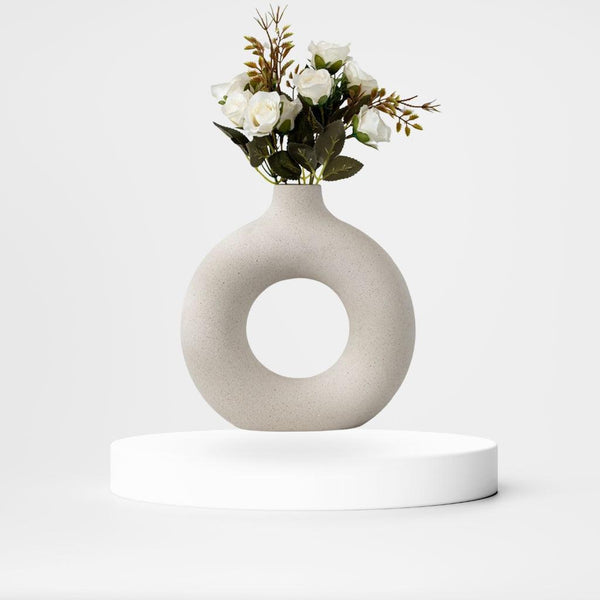
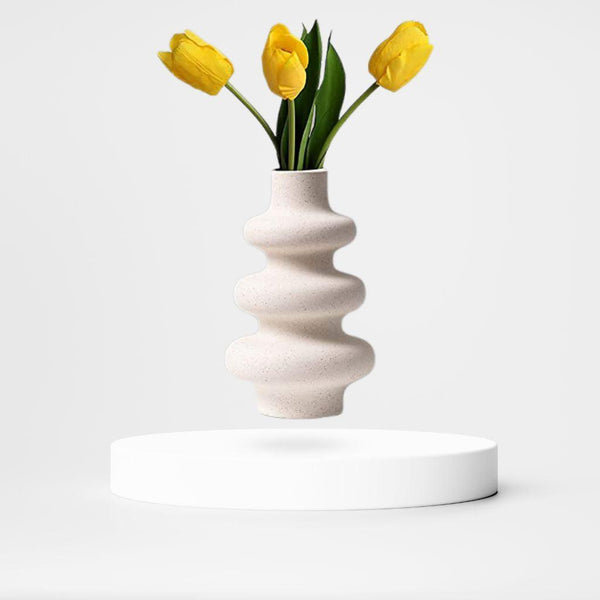
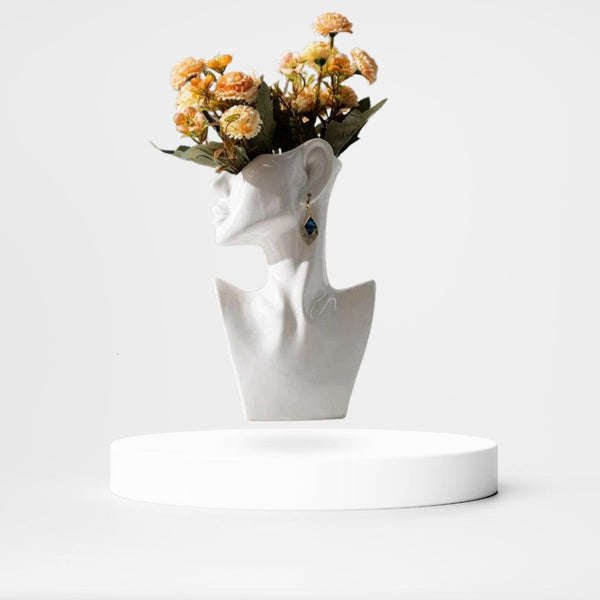
In der Welt der Cottagecore-Ästhetik bleibt die Natur nicht draußen. Holen Sie den Garten mit Kräutertöpfen auf den Fensterbänken, getrockneten Lavendelsträußen in Keramikvasen und gerahmten botanischen Drucken über dem Kamin ins Haus. Behagliche Schichten vollenden das Bild: zarte Blumenmuster von Marken wie Laura Ashley, übereinander angeordnete Leinenkissen und handgewebte Teppiche erzählen eine sanfte, ruhige Geschichte.

Cottagecore praktisch umsetzen: Ideen und Inspiration zur Cottagecore-Ästhetik
Ein gemütliches, naturnahes Zuhause im Sinne der Cottagecore-Ästhetik entsteht durch bewusst gestaltete Räume, die Wärme und Charme ausstrahlen. Gehen Sie Zimmer für Zimmer vor, um ein verträumtes Landleben authentisch umzusetzen. In der Küche bieten offene Regale Platz für Einmachgläser, Kräutertöpfe und rustikale Kupfertöpfe; gemusterte Fliesen sorgen für historischen Charakter. Schlafzimmer werden mit geblümter Bettwäsche, gestrickten Decken und alten Teppichen zu Rückzugsorten, die von einem entschleunigten, beseelten Leben erzählen. Im Wohnbereich runden Natursteinkamine, gestaffelte Sitzgruppen und sanfte ländliche Wandbilder das Gesamtbild ab.
Ist Ihr Budget begrenzt? Beginnen Sie im Kleinen und tauschen Sie zunächst Textilien aus: alte Kissenbezüge, handbestickte Vorhänge und gebrauchte Fundstücke von lokalen Märkten. Meiden Sie allgegenwärtige Einrichtungstrends und industriell gefertigte Accessoires. Wählen Sie stattdessen individuelle Schätze mit handwerklicher Anmutung. Mit Canva oder Etsy lassen sich Etiketten, Wandbilder oder Menükarten passend zum Thema personalisieren. Noch mehr Vintage-Tipps und Anregungen bietet unser Leitfaden zu Shabby-Chic-Dekor und historischem Charme.
Damit der Raum zeitgemäß wirkt, können Sie den Trend „Dark Cottagecore“ aus dem Jahr 2026 aufgreifen. Moosgrün, alte Ölgemälde und behagliche Schichten sorgen dabei für tiefere Farbtöne und üppigere Texturen. Kreative können suchmaschinenfreundliche Inhalte wie „digitale Cottagecore-Produkte“ und rustikal gestaltete Pinterest-Pins einsetzen, um die visuelle Wirkung im Internet zu steigern. Durch diese Verbindung von Tradition und Trend wird Ihr Zuhause zu einem behaglichen Rückzugsort mit nostalgischem Landhauscharme.

Entscheidungsleitfaden für eine Cottagecore-Einrichtung
Was vor der Umgestaltung des Raums zu prüfen ist
Beginnen Sie bei einer Cottagecore-Einrichtung mit der größten Einschränkung und der Person, die den Raum am häufigsten nutzt. Eine Entscheidung in unmittelbarer Umgebung kann das Ergebnis verändern. Vergleichen Sie Ihren Plan daher mit Shabby-Chic-Dekor: Vintage-Charme und Cottage-Stil, bevor Sie ein Maß, ein Verhältnis oder eine Gestaltungsgewohnheit als endgültig ansehen. Es geht nicht darum, eine Formel vollkommen nachzubilden, sondern Blickpunkthierarchie, Größenverhältnisse und Alltagsfunktion miteinander in Einklang zu bringen.
| Entscheidungsfaktor | Was zu prüfen ist | Warum es wichtig ist |
|---|---|---|
| Architektonische Grundlage | Licht, Proportionen und feste Elemente des Raums berücksichtigen | Lässt den Stil wie selbstverständlich eingebunden wirken |
| Materialpalette | Eine kleine Gruppe authentisch wirkender Oberflächen auswählen | Schafft Tiefe und Glaubwürdigkeit |
| Dekorative Ebene | Kunst, Textilien und Objekte gezielt ergänzen | Verleiht Charakter, ohne kulissenhaft zu wirken |
So vergleichen Sie zwei geeignete Lösungen
Wenn Sie zwei Cottagecore-Lösungen vergleichen, bauen Sie beide in Originalgröße nach, fotografieren Sie sie vom Eingang und vom wichtigsten Nutzungsplatz aus und notieren Sie, was die jeweilige Variante verbessert oder beeinträchtigt. Stimmen Sie die umgebende Gestaltung mithilfe von Französischer Landhausstil: Ihr Leitfaden zu rustikaler Eleganz ab. Dieser Vergleich zeigt häufig, ob das vermeintliche Problem aus der betreffenden Regel oder einer angrenzenden Entscheidung zu Farbe, Beleuchtung, Möbeln oder Stauraum entsteht.
Eine praktische Schritt-für-Schritt-Methode
Messen, erproben und beobachten
Arbeiten Sie beim Testen einer Cottagecore-Einrichtung in umkehrbaren Schritten und berücksichtigen Sie dabei Türen, Schubladen, Schalter, Lüftungsöffnungen und den Zugang für die Reinigung. Verändert die Anpassung die gesamte Anordnung, nutzen Sie Ideen für kleine Küchen im modernen Farmhouse-Stil: viel Stil auf wenig Raum als zweite Planungsgrundlage, statt das Blickfangobjekt isoliert zu behandeln.
- Sammeln Sie Referenzen und benennen Sie wiederkehrende Merkmale. Fotografieren oder markieren Sie das Ergebnis vor der nächsten Änderung. Ein fester Bezugspunkt verhindert, dass aus kleinen Anpassungen eine Neugestaltung ohne Bezug zum ursprünglichen Konzept wird.
- Erfassen Sie die unveränderlichen architektonischen Elemente des Raums. Prüfen Sie diese von der Position aus, an der der Raum tatsächlich genutzt wird, und halten Sie die Veränderungen fest, bevor Sie zum nächsten Schritt übergehen.
- Wählen Sie eine zurückhaltende Materialpalette. Nehmen Sie jeweils nur eine kontrollierte Anpassung vor, damit Sie erkennen können, welche Entscheidung die Funktion verbessert und welche lediglich die Optik verändert.
- Ergänzen Sie ein zentrales Möbelstück oder eine Kunstebene. Fotografieren oder markieren Sie das Ergebnis vor der nächsten Änderung. Ein fester Bezugspunkt verhindert, dass aus kleinen Anpassungen eine Neugestaltung ohne Bezug zum ursprünglichen Konzept wird.
- Entfernen Sie alles, was wie eine Requisite wirkt. Prüfen Sie dies von der Position aus, an der der Raum tatsächlich genutzt wird, und halten Sie die Veränderungen fest, bevor Sie zum nächsten Schritt übergehen.
Das Ergebnis anhand maßgeblicher Empfehlungen prüfen
Bei einer Cottagecore-Einrichtung bleiben Kunstwerke, Fotografien und geschätzte Dekorationsobjekte länger erhalten, wenn ihr Standort direkte Sonneneinstrahlung, Hitze, Feuchtigkeit, Berührungen und eine sichere Befestigung berücksichtigt. Die Empfehlungen des Smithsonian zur Pflege von Kunstwerken und Sammlungen bieten hierzu fundierte Hinweise. Befolgen Sie die Produktanweisungen sowie alle örtlichen Bau-, Elektro-, Brandschutz- und Barrierefreiheitsvorgaben, die für die endgültige Installation gelten.
Wann die Regel angepasst werden sollte
Funktionale Ausnahmen haben Vorrang
Passen Sie die Cottagecore-Einrichtung an, wenn die Mobilität einer Person, der Schwenkbereich einer Tür, eine niedrige Decke, eine festgelegte Blickachse, eine Wärmequelle oder der erforderliche Betriebsabstand eines Produkts die Prioritäten verändert. Vergleichen Sie die Ausnahme mit Vintage-Preppy-Ideen für eine behagliche, klassische Herbstdekoration und behalten Sie sie nur bei, wenn sich der Raum leichter nutzen lässt, ohne ein neues Hindernis, eine Blendstelle, einen instabilen Gegenstand oder ein Wartungsproblem zu schaffen.
Auch optische und materielle Ausnahmen brauchen einen Grund
Eine bewusste Ausnahme von der Cottagecore-Gestaltung kann Architektur, Kunst, Handwerkskunst oder ein bedeutungsvolles Objekt hervorheben, sollte aber von den üblichen Blickpunkten aus verständlich bleiben. Richtung und Intensität des Tageslichts verändern sich im Tagesverlauf. Deshalb sind Farben, Blendung, Reflexionen und Kontraste im tatsächlichen Licht des Raums zu prüfen. Ziehen Sie dazu die Hinweise des US-Energieministeriums zur Tageslichtnutzung heran und beurteilen Sie die fertige Lösung anschließend unter normalen Wohnbedingungen.
Häufige Fehler, die Sie vermeiden sollten
Bei einer Cottagecore-Einrichtung entstehen die meisten Fehler, wenn eine einzelne Regel optimiert wird, ohne den übrigen Raum zu prüfen. Sehen Sie sich vor dem Kauf oder Bohren Rustikale Einrichtungsideen fürs Wohnzimmer: behaglicher Farmhouse-Stil an, um die angrenzende Gestaltungsebene zu überprüfen und sicherzustellen, dass die geplante Änderung weiterhin zum Gesamtkonzept beiträgt.
Den Stil auf Motive reduzieren
Einige offensichtliche Symbole können Proportionen, Materialien, Farben und Handwerkskunst nicht ersetzen. Entwickeln Sie den Raum zunächst aus der übergeordneten Gestaltungssprache heraus. Prüfen Sie diesen Punkt im Hinblick auf die Hauptnutzung des Raums, bevor Sie die Cottagecore-Einrichtung abschließen.
Sämtliche regionalen oder historischen Bezüge vermischen
Entscheiden Sie sich für eine klare Interpretation und eine Epoche oder einen Ort als Inspirationsquelle. Setzen Sie Kontraste anschließend sparsam ein, statt unzusammenhängende Stilmerkmale zu vermischen. Prüfen Sie diesen Punkt im Hinblick auf die Hauptnutzung des Raums, bevor Sie die Cottagecore-Einrichtung abschließen.
Komfort zugunsten der Optik opfern
Auch das moderne Leben erfordert Beleuchtung, Stauraum, freie Wege und einfache Pflege. Integrieren Sie diese Aspekte unauffällig, statt sie als stilfremde Störfaktoren zu behandeln. Prüfen Sie diesen Punkt im Hinblick auf die Hauptnutzung des Raums, bevor Sie die Cottagecore-Einrichtung abschließen.
Häufig gestellte Fragen
Diese Antworten beziehen sich auf die Cottagecore-Einrichtung. Für einen umfassenderen Vergleich auf Raumebene hilft Vintage-Wohnideen fürs Wohnzimmer: eindrucksvolle Retro-Stile bei der Prüfung, ob dieselbe Entscheidung an anderer Stelle wiederholt, abgeschwächt oder angepasst werden sollte.
Muss die Architektur zum Stil passen?
Nein. Interpretieren Sie den Stil durch Farben, Materialien, Möbelformen und Beleuchtung und respektieren Sie dabei die vorhandene Architektur. Übertragen Sie diese Antwort erst dann auf die Cottagecore-Einrichtung, wenn Sie den tatsächlichen Raum, seine Nutzer und das jeweilige Produkt geprüft haben.
Wie lässt sich ein kulissenhafter Eindruck vermeiden?
Bevorzugen Sie echte Materialien, zurückhaltende Wiederholungen und funktionale Stücke gegenüber wörtlichen Symbolen oder einer Ansammlung dekorativer Requisiten. Übertragen Sie diese Antwort erst dann auf die Cottagecore-Einrichtung, wenn Sie den tatsächlichen Raum, seine Nutzer und das jeweilige Produkt geprüft haben.
Lässt sich der Stil mit modernen Möbeln kombinieren?
Ja. Achten Sie auf miteinander harmonierende Proportionen und Farbuntertöne. Lassen Sie anschließend eine begrenzte Zahl charakteristischer Materialien oder Silhouetten die Identität prägen. Übertragen Sie diese Antwort erst dann auf die Cottagecore-Einrichtung, wenn Sie den tatsächlichen Raum, seine Nutzer und das jeweilige Produkt geprüft haben.
Worin sollte ich zuerst investieren?
Geben Sie dem Element mit der größten optischen und funktionalen Wirkung Vorrang, etwa der Beleuchtung, einem strapazierfähigen Teppich, den wichtigsten Sitzmöbeln oder einem hochwertig gefertigten Stauraummöbel. Übertragen Sie diese Antwort erst dann auf die Cottagecore-Einrichtung, wenn Sie den tatsächlichen Raum, seine Nutzer und das jeweilige Produkt geprüft haben.
Fazit
Wie dieser Leitfaden gezeigt hat, ist die Cottagecore-Ästhetik mehr als ein Wohntrend. Sie ist eine von Herzen kommende Hinwendung zum beruhigenden Wert der Einfachheit, zu durchdachter Gestaltung und zum sanften Rhythmus der Natur. Mit natürlichen Texturen, zarten Farbpaletten und bedeutungsvollen Stücken kann jeder einen Raum gestalten, der ein verträumtes Landleben zelebriert und den Zauber vergangener Zeiten heraufbeschwört.
Ganz gleich, ob Sie mit geblümten Textilien und Vintage-Fundstücken klein anfangen oder eine umfassende, vom Cottage-Stil inspirierte Umgestaltung planen: Würdigen Sie das Unvollkommene und wählen Sie jedes Stück bewusst aus. Schichten Sie die Elemente nach und nach und sammeln Sie Dinge, die Ihre persönliche Geschichte erzählen – darin liegt das wahre Wesen des nostalgischen Landhauscharms.
Der Weg zu einem Zuhause voller Charme und Ruhe hat gerade erst begonnen.