Vom Homefy-Redaktionsteam · Geprüft und aktualisiert am 24. Juli 2026
Redaktionelle Methode: Die praktischen Empfehlungen wurden anhand der beiden maßgeblichen Quellen geprüft, die weiter unten im jeweiligen Zusammenhang genannt werden. Produktanweisungen und geltende örtliche Vorgaben haben Vorrang vor Gestaltungsregeln.
Kurzantwort: Nutzen Sie den Trend zu geschwungenen Möbeln als wohlüberlegten Ausgangspunkt, nicht als starre Formel. Gehen Sie von der Person aus, die den Raum hauptsächlich nutzt, sowie von den festen Rahmenbedingungen. Testen Sie die Idee in Originalgröße und behalten Sie sie nur bei, wenn sie eine bewusst angelegte Blickführung, ein ausgewogenes optisches Gewicht und genügend Flexibilität für die tatsächliche Nutzung des Raums unterstützt.
Wohntrends 2025 für ein ruhiges, sorgfältig gestaltetes Zuhause
Mit Blick auf die Zukunft der Raumgestaltung steht das Jahr 2025 für einen spannenden Wandel hin zu mehr Komfort, Ruhe und Nachhaltigkeit in unseren Wohnräumen. Im Mittelpunkt stehen dieses Jahr geschwungene Möbel, organische Formen und weiche Konturen – Gestaltungselemente, die im ganzen Zuhause ganz selbstverständlich Behaglichkeit und Verbundenheit fördern.
Dieser Trend ist mehr als eine optische Auffrischung; er reagiert einfühlsam auf unsere veränderten Lebensgewohnheiten. Immer mehr Menschen entscheiden sich für beruhigende Gestaltung, die die Natur ins Haus holt und zu einem langsameren, bewussteren Alltag anregt. Weichere Linien und fließende Übergänge schaffen einladende, wohnliche Räume, in denen Wohlbefinden und Funktionalität zusammenfinden.
Von abgerundeten Sofas und skulpturalen Wohnaccessoires bis zu naturinspirierten Materialien und sorgfältig abgestimmten Farbwelten: Aktuelle Interieurs stellen emotionales Wohlbefinden und nachhaltiges Denken in den Vordergrund. Dieser Artikel zeigt, wie sich die prägenden Stilrichtungen des Jahres 2025 einsetzen lassen, um einladende Rückzugsorte zu schaffen, die sich ebenso gut anfühlen, wie sie aussehen.

Geschwungene Möbel und organische Formen
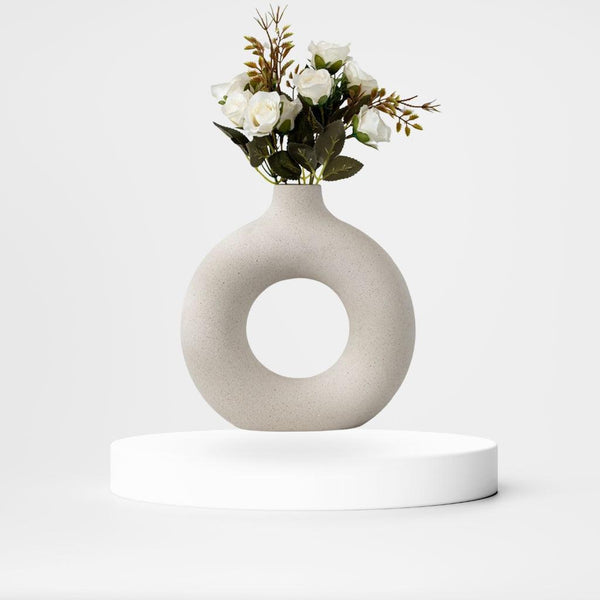
Geschwungene Möbel stehen 2025 im Mittelpunkt der Einrichtungstrends und interpretieren das moderne Zuhause mit Komfort und Kreativität neu. Großzügig gerundete Sofas und Wohnlandschaften, runde Esstische und Loungesessel ersetzen starre Linien durch fließende Formen, die unmittelbar Ruhe vermitteln.
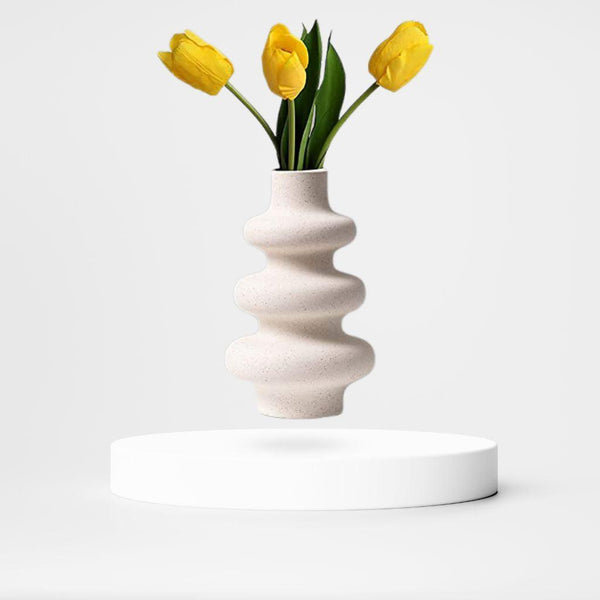
Immer mehr Menschen wählen organische Formen, die den mühelosen Linien der Natur nachempfunden sind. Rundbögen, kreisförmige Spiegel und skulpturale Leuchten tragen zu einem ruhigen und ungezwungen ausgewogenen Gesamtbild bei. Diese natürlichen Konturen fördern eine Gestaltung, die das emotionale Wohlbefinden berücksichtigt und alle Elemente fließend zu einem einheitlichen Raumerlebnis verbindet.
Der Wandel hin zu weichen Konturen schafft einladende Räume, die Entspannung und ein tieferes Gefühl der Verbundenheit fördern. Der Verzicht auf schroffe Winkel bildet eine beruhigende Kulisse für Gespräche, stille Momente oder einfach zum Abschalten am Ende des Tages. Wie diese Trends das moderne Zuhause prägen, erfahren Sie ausführlich in unserem Leitfaden zu den modernen Einrichtungstrends 2025.

Erdtöne und sinnlich erfahrbare Texturen
Zu den faszinierendsten Einrichtungsströmungen 2025 gehört der Aufstieg von Erdtönen und sinnlich erfahrbaren Texturen, die Wohnräume erden und weicher wirken lassen. Warmes Mokkabraun, sattes Terrakotta, gedecktes Moosgrün und beruhigendes Steingrau: Erdige Farbpaletten ersetzen hartes Weiß und kräftige Farben und schaffen eine optisch wohltuende Umgebung.
Ergänzt werden diese natürlichen Nuancen durch vielfältige Schichten haptischer Materialien wie Altholz, geriffelte Paneele, Leinen, Ton und veganes Leder. Diese natürlichen Texturen bereichern sowohl die Optik als auch das Raumgefühl. Sie sprechen den Tastsinn an und fördern das Wohlbefinden. Verputzte Wände, Korkoberflächen und weiche Stoffe verleihen Tiefe und lassen Räume entspannt und wie selbstverständlich sorgfältig gestaltet erscheinen.
Durch die Verbindung erdiger Farben und Texturen mit weiteren wichtigen Gestaltungselementen wie geschwungenen Möbeln, organischen Formen und weichen Konturen entsteht eine natürliche Eleganz auf Grundlage biophilen Designs. Der Raum sieht nicht nur schön aus, sondern strahlt auch Behaglichkeit und Harmonie aus und vermittelt eine tiefere Verbundenheit mit der Natur.

Biophiles Design, Nachhaltigkeit und ruhige Räume
Der Wandel zu naturnahen Interieurs entwickelt sich mit dem Aufkommen geschwungener Möbel und dem bewussten Einsatz organischer Formen im gesamten Zuhause weiter. Im Zentrum dieses Trends steht biophiles Design: Innenräume werden mit Elementen umgeben, die an die Außenwelt erinnern, etwa üppigem Grün, Tageslicht und ausdrucksstarken Holztexturen.
Nachhaltige Materialien wie Bambus, Kork und Recyclingholz verbinden heute stilvolle Gestaltung mit einem geringeren ökologischen Fußabdruck. Sie harmonieren hervorragend mit weichen Konturen in Raumaufteilung und Möblierung und schaffen beruhigende, zeitlos wirkende Räume mit erholsamer Atmosphäre.
Auch teiloffene Raumkonzepte und skulpturale Stücke gewinnen an Bedeutung. Sie sorgen für bewusst angelegte Wege und sanfte Übergänge zwischen den Bereichen. Wie unser Ratgeber zu Gestaltungsideen für kleine Räume erläutert, ist das Gleichgewicht zwischen Alltagstauglichkeit und organischer Ruhe entscheidend für Komfort und Langlebigkeit in modernen Interieurs.

Entscheidungshilfe für geschwungene Möbel
Was vor einer Umgestaltung des Raums zu prüfen ist
Beginnen Sie bei geschwungenen Möbeln mit der größten Einschränkung und der Person, die den Raum am häufigsten nutzt. Eine benachbarte Entscheidung kann die Antwort verändern. Gleichen Sie Ihren Plan deshalb mit Biophiles Design: Verwandeln Sie Ihr Zuhause mit der Natur ab, bevor Sie ein Maß, ein Verhältnis oder eine Gestaltungsgewohnheit als endgültig betrachten. Es geht nicht darum, eine Formel perfekt nachzubilden, sondern Blickhierarchie, Maßstab und Alltagsfunktion in Einklang zu bringen.
| Entscheidungsfaktor | Was zu prüfen ist | Warum es wichtig ist |
|---|---|---|
| Hauptblickpunkt | Bestimmen, was zuerst ins Auge fallen soll | Gibt die Blickrichtung vor |
| Begleitender Rhythmus | Höhe, Farbe, Form oder Abstand gezielt wiederholen | Verbindet die Gestaltung |
| Freiraum | Ruhige Flächen um wichtige Elemente lassen | Verbessert Klarheit und Ausgewogenheit |
So vergleichen Sie zwei praktikable Varianten
Bilden Sie beim Vergleich zweier Varianten mit geschwungenen Möbeln beide in Originalgröße nach, fotografieren Sie sie vom Eingang und vom hauptsächlichen Nutzungsort aus und halten Sie fest, was jede Fassung verbessert oder beeinträchtigt. Stimmen Sie die Umgebung mithilfe von Vintage- und Retro-Stil: Trends, Farben und Möbel im Überblick ab. Der Vergleich zeigt häufig, ob das vermeintliche Problem tatsächlich von dieser Regel oder von einer benachbarten Entscheidung zu Farbe, Beleuchtung, Möbeln oder Stauraum ausgeht.
Eine praktische Schritt-für-Schritt-Methode
Messen, nachbilden und beobachten
Testen Sie geschwungene Möbel in umkehrbaren Etappen und beziehen Sie Türen, Schubladen, Schalter, Lüftungsöffnungen sowie den Zugang für die Reinigung ein. Wenn die Änderung die gesamte Anordnung beeinflusst, nutzen Sie Minimalistische Wohntrends: warm und bewusst leben als zweite Planungsgrundlage, statt das zentrale Objekt isoliert zu betrachten.
- Wählen Sie die wichtigste Betrachtungsposition. Nehmen Sie jeweils nur eine kontrollierte Änderung vor, damit Sie erkennen, welche Entscheidung die Funktion verbessert und welche lediglich die Optik verändert.
- Bestimmen Sie einen Hauptblickpunkt. Fotografieren oder markieren Sie das Ergebnis vor der nächsten Änderung. Ein Bezugspunkt verhindert, dass kleine Anpassungen in eine Umgestaltung münden, die nichts mehr mit dem ursprünglichen Vorhaben zu tun hat.
- Ordnen Sie begleitende Elemente nach ihrem optischen Gewicht an. Prüfen Sie das Ergebnis von der Stelle aus, an der der Raum tatsächlich genutzt wird, und dokumentieren Sie die Veränderungen vor dem nächsten Schritt.
- Fotografieren Sie die Gestaltung vom Türdurchgang aus. Nehmen Sie jeweils nur eine kontrollierte Änderung vor, damit Sie erkennen, welche Entscheidung die Funktion verbessert und welche lediglich die Optik verändert.
- Entfernen oder versetzen Sie das schwächste Element. Fotografieren oder markieren Sie das Ergebnis vor der nächsten Änderung. Ein Bezugspunkt verhindert, dass kleine Anpassungen in eine Umgestaltung münden, die nichts mehr mit dem ursprünglichen Vorhaben zu tun hat.
Das Ergebnis anhand maßgeblicher Leitlinien prüfen
Bei geschwungenen Möbeln lässt sich ein durchgängiger Weg am besten planen, wenn Türen, Bodenübergänge, Möbel und vorspringende Gegenstände von Anfang an gemeinsam berücksichtigt werden. Der Leitfaden des U.S. Access Board zu barrierefreien Wegen enthält die entsprechenden Empfehlungen. Beachten Sie die Produktanweisungen und alle örtlichen Bau-, Elektro-, Brandschutz- oder Barrierefreiheitsvorschriften, die für die endgültige Installation gelten.
Wann die Regel angepasst werden sollte
Funktionale Ausnahmen haben Vorrang
Passen Sie den Einsatz geschwungener Möbel an, wenn die Mobilität eines Nutzers, der Schwenkbereich einer Tür, eine niedrige Decke, eine unveränderliche Aussicht, eine Wärmequelle oder der notwendige Betriebsfreiraum eines Produkts die Prioritäten verschiebt. Vergleichen Sie die Ausnahme mit Natürliche Farbpaletten: der führende Einrichtungstrend und behalten Sie sie nur bei, wenn der Raum leichter nutzbar wird, ohne ein neues Hindernis, eine Blendstelle, einen instabilen Gegenstand oder ein Wartungsproblem zu schaffen.
Auch optische und materielle Ausnahmen brauchen einen Grund
Eine bewusste Ausnahme vom Trend zu geschwungenen Möbeln kann Architektur, Kunst, Handwerkskunst oder einen bedeutungsvollen Gegenstand hervorheben, sollte jedoch aus den üblichen Blickwinkeln nachvollziehbar bleiben. Richtung und Intensität des Tageslichts verändern sich im Tagesverlauf. Prüfen Sie Farbe, Blendung, Spiegelung und Kontrast deshalb bei den tatsächlichen Lichtverhältnissen im Raum. Ziehen Sie dazu die Hinweise des U.S. Department of Energy zur Tageslichtnutzung heran und beurteilen Sie die fertige Lösung anschließend unter normalen Alltagsbedingungen.
Häufige Fehler, die Sie vermeiden sollten
Bei geschwungenen Möbeln entstehen die meisten Fehler, wenn eine einzelne Regel optimiert wird, ohne den übrigen Raum zu prüfen. Sehen Sie sich vor dem Kauf oder Bohren Einrichtungstrends: kräftige Farben und nachhaltiges Design an, um die angrenzende Gestaltungsebene zu überprüfen und sicherzustellen, dass die geplante Änderung weiterhin zum Gesamtkonzept passt.
Die Regel als starre Mengenangabe anwenden
Kompositionsregeln ordnen Beziehungen; sie verlangen nicht auf jeder Fläche dieselbe Anzahl oder dasselbe Verhältnis von Gegenständen. Prüfen Sie diesen Aspekt anhand der hauptsächlichen Raumnutzung, bevor Sie die Gestaltung mit geschwungenen Möbeln endgültig festlegen.
Die Funktion hinter der Gestaltung übersehen
Eine schöne Anordnung versagt, wenn sie einen Weg, eine Tätigkeit, einen Sitzplatz oder einen Stauraumbereich blockiert. Sichern Sie zuerst die Nutzbarkeit und verfeinern Sie danach den optischen Rhythmus. Prüfen Sie diesen Aspekt anhand der hauptsächlichen Raumnutzung, bevor Sie die Gestaltung mit geschwungenen Möbeln endgültig festlegen.
Wiederholen, ohne zu variieren
Exakte Wiederholungen wirken mechanisch. Variieren Sie Maßstab, Abstand oder Ausrichtung und bewahren Sie dabei eine erkennbare Verbindung. Prüfen Sie diesen Aspekt anhand der hauptsächlichen Raumnutzung, bevor Sie die Gestaltung mit geschwungenen Möbeln endgültig festlegen.
Häufig gestellte Fragen
Diese Antworten beziehen sich auf geschwungene Möbel. Für einen umfassenderen Vergleich auf Raumebene hilft Modernes skandinavisches Wohndesign: Trends und Tipps dabei zu prüfen, ob dieselbe Entscheidung an anderer Stelle wiederholt, zurückgenommen oder angepasst werden sollte.
Gilt die Regel aus jedem Blickwinkel?
Räumen Sie dem Eingang und der hauptsächlichen Nutzungsposition Vorrang ein und vergewissern Sie sich anschließend, dass aus Nebenperspektiven kein wesentlicher Konflikt sichtbar wird. Übertragen Sie diese Antwort erst auf geschwungene Möbel, nachdem Sie den tatsächlichen Raum, den Nutzer und das Produkt geprüft haben.
Lassen sich Symmetrie und Asymmetrie kombinieren?
Ja. Eine symmetrische Architektur kann eine asymmetrische Objektgruppe tragen – oder umgekehrt –, sofern das optische Gewicht ausgewogen bleibt. Übertragen Sie diese Antwort erst auf geschwungene Möbel, nachdem Sie den tatsächlichen Raum, den Nutzer und das Produkt geprüft haben.
Wie erkenne ich optisches Gewicht?
Vergleichen Sie Größe, Dunkelheit, Kontrast, Textur, freistehende Wirkung und Höhe. Ein kleiner, kontrastreicher Gegenstand kann optisch schwerer wiegen als ein größeres, zurückhaltendes Element. Übertragen Sie diese Antwort erst auf geschwungene Möbel, nachdem Sie den tatsächlichen Raum, den Nutzer und das Produkt geprüft haben.
Wann sollte die Regel außer Acht gelassen werden?
Lassen Sie sie außer Acht, wenn Barrierefreiheit, Sicherheit, Architektur oder ein bedeutungsvoller Gegenstand eine klarere Lösung erfordern, und stellen Sie das Gleichgewicht um diese Priorität herum wieder her. Übertragen Sie diese Antwort erst auf geschwungene Möbel, nachdem Sie den tatsächlichen Raum, den Nutzer und das Produkt geprüft haben.
Fazit
Mit Blick auf die Zukunft der Wohnraumgestaltung bieten geschwungene Möbel, organische Formen und weiche Konturen einen erfrischenden Wandel hin zu behaglichen, fließenden und eng mit der Natur verbundenen Interieurs. Sie verwandeln Räume in stille Rückzugsorte, mildern die scharfen Linien traditioneller Einrichtung und bringen Ruhe in den Alltag.
Für diese Trends ist keine vollständige Umgestaltung nötig. Schon ein abgerundeter Akzentsessel, eine skulpturale Leuchte oder ein kreisförmiger Spiegel können Wärme und Ausgewogenheit schaffen. Kombinieren Sie strukturierte Materialien wie Flachsleinen oder Altholz, setzen Sie erdige Farbakzente und ergänzen Sie Pflanzen, um ein ganzheitliches, modernes Ambiente zu gestalten. Von fließendem Design bis zum nachhaltigen Wohnen lassen diese Details einen Raum zugleich zeitgemäß und zeitlos wirken.
Letztlich ebnet die Verbindung geschwungener Möbel mit weichen Konturen und organischen Formen den Weg zu einem stilvollen und zugleich alltagstauglichen Zuhause. Jetzt ist der ideale Zeitpunkt, modernes organisches Design aufzugreifen und Räume zu gestalten, die Komfort ebenso fördern wie Nachhaltigkeit.