Von der Homefy-Redaktion · Geprüft und aktualisiert am 24. Juli 2026
Redaktionelle Methode: Die praktischen Empfehlungen wurden anhand der beiden unten im Kontext genannten maßgeblichen Quellen geprüft. Produktanweisungen und geltende örtliche Anforderungen haben Vorrang vor dekorativen Regeln.
Kurzantwort: Nutzen Sie skandinavische Wohnraumgestaltung als wohlüberlegten Ausgangspunkt, nicht als starre Formel. Beginnen Sie mit der wichtigsten nutzenden Person und den festen Rahmenbedingungen des Raums, testen Sie die Idee in Originalgröße und behalten Sie sie nur bei, wenn sie eine erkennbare Gestaltungssprache aus Materialien, Farbe, Form und Handwerk trägt – statt thematischen Überfluss zu erzeugen.
Skandinavische Wärme aus der Funktion heraus entwickeln
Skandinavischer Stil überzeugt am stärksten, wenn sich ein Raum leicht nutzen lässt, bevor er inszeniert wirkt. Gehen Sie von den Tätigkeiten aus, die dort tatsächlich stattfinden, erhalten Sie bequeme Wege zwischen ihnen und geben Sie jedem größeren Möbelstück eine klare Aufgabe. Ein kompaktes Wohnzimmer braucht vielleicht ein tragendes Sofa, einen Lesesessel, einen Tisch in Reichweite und Stauraum für täglich genutzte Dinge; eine vollständige passende Garnitur kann den Raum eher unruhiger als vollständiger machen.
Natürliches Licht, helle Flächen und freie Bodenfläche lassen den Raum großzügig wirken, doch Wärme entsteht durch Entscheidungen im menschlichen Maßstab: einen zum Gespräch gedrehten Sessel, eine Leselampe am richtigen Platz und Textilien, die bequem genug für den Gebrauch sind. Halten Sie die Komposition leicht asymmetrisch, damit sie wie ein Zuhause und nicht wie eine Kataloginszenierung wirkt.

Eine zurückhaltende Material- und Farbpalette einsetzen
Wählen Sie eine kleine Basis an authentisch wirkenden Materialien wie helle Eiche, Esche, Wolle, Leinen, Baumwolle, Leder, Keramik und mattes Metall. Sie müssen nicht exakt zusammenpassen. Unterschiede in Maserung, Gewebe und Alterung schaffen Tiefe, während ein wiederkehrender Unterton den Raum zusammenhält. Betrachten Sie Muster neben dem vorhandenen Boden und der Wandfarbe bei Morgen-, Nachmittags- und Abendlicht.
Warmes Weiß, sanftes Grau, Sand, gedämpftes Braun sowie zurückhaltendes Grün oder Blau ergeben eine flexible Palette. Legen Sie die größten Flächen in ruhigen Neutraltönen an und setzen Sie dann ein oder zwei dunklere Akzente, um Kanten und Blickpunkte zu definieren. Verteilen Sie nicht für jedes Kissen, jede Vase, jeden Rahmen und jeden Übertopf einen anderen Akzent; eine begrenzte Wiederholung ist leichter zu erfassen und zu pflegen.

Möbel, Licht und Dekoration im Wohnmaßstab wählen
Möbel sollten sichtbar Luft lassen, ohne für die nutzende Person zu klein zu werden. Messen Sie Türdurchgänge und die nutzbare Bodenfläche, markieren Sie die wichtigsten Stellflächen mit Klebeband und prüfen Sie die Wege bei geöffneten Türen und Schubladen. Ein gut proportionierter Couchtisch ist meist praktischer als mehrere Satztische, wenn die Verkehrsfläche im Raum ohnehin knapp ist.
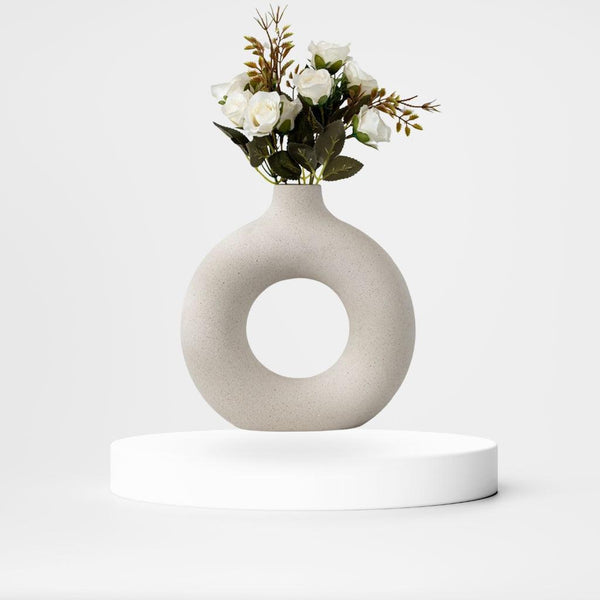
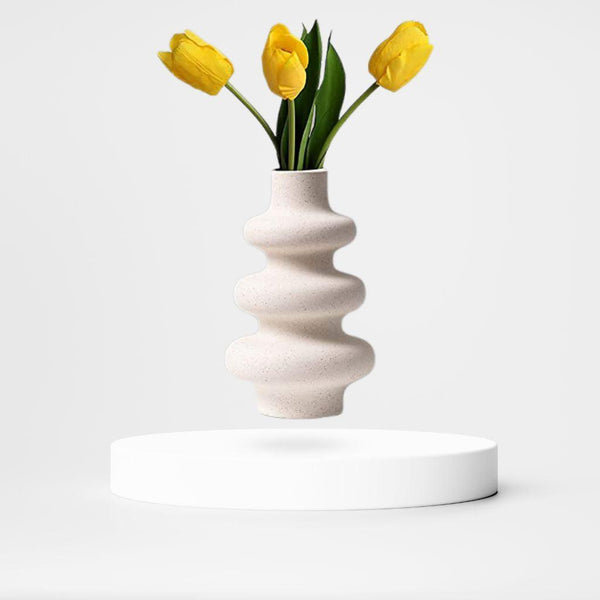
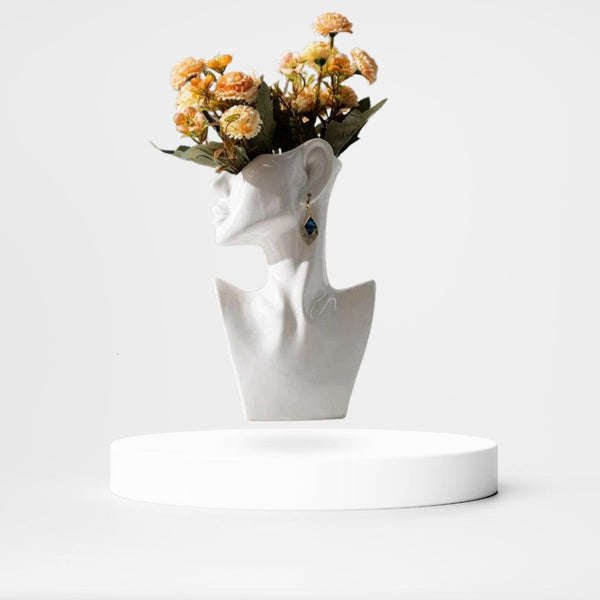
Planen Sie Licht nach Nutzung: Tageslicht, wo es verfügbar ist, eine brauchbare Lichtquelle zum Lesen und eine dezente Umgebungsleuchte für den Abend. Dekoration darf persönlich bleiben, ohne karg oder überladen zu werden. Ein Kunstwerk, eine Pflanze an einem ausreichend hellen Platz, einige Bücher und ein handgefertigtes Objekt vermitteln oft mehr als eine Bilderwand, mehrere Leuchten und eine Sammlung auf jeder Fläche.

Den Raum pflegeleicht gestalten
Ein ruhiger Raum hängt ebenso von Stauraum und Routinen zum Aufräumen ab wie von der Farbe. Sorgen Sie vor dem Fotografieren des fertigen Raums für einen realistischen Platz für Ladegeräte, Plaids, Post, Mediengeräte, Spielzeug oder Hobbybedarf. Lassen Sie genügend freie Fläche, um eine Tasse abzustellen oder eine Aufgabe zu erledigen, und wählen Sie in stark genutzten Bereichen waschbare oder reparierbare Materialien.
Prüfen Sie den Raum nach einer normalen Woche erneut. Wenn sich nützliche Gegenstände auf Boden oder Tisch sammeln, passen Sie den Stauraum an, statt dekorative Behälter hinzuzufügen. Wird ein Sessel nie genutzt, überdenken Sie seinen Standort oder entfernen Sie ihn. Skandinavische Zurückhaltung funktioniert, wenn das Reduzieren Reibung verringert – nicht wenn der Alltag verborgen werden muss, um ein Bild zu bewahren.
Entscheidungshilfe für skandinavische Wohnraumgestaltung
Was vor einer Raumveränderung zu prüfen ist
Bei skandinavischer Wohnraumgestaltung beginnen Sie mit der größten Einschränkung und der Person, die den Raum am häufigsten nutzt. Eine benachbarte Entscheidung kann die Antwort verändern; vergleichen Sie den Plan deshalb mit cozy Minimalist Home Decor: Simple Tips for Warmth & Style, bevor Sie ein Maß, Verhältnis oder eine Gestaltungsgewohnheit als endgültig betrachten. Ziel ist nicht, eine Formel perfekt nachzubilden, sondern Blickpunkthierarchie, Maßstab und Alltagsfunktion in Einklang zu bringen.
| Entscheidungsfaktor | Was zu prüfen ist | Warum es wichtig ist |
|---|---|---|
| Architektonische Grundlage | Arbeiten Sie mit Licht, Proportionen und festen Merkmalen des Raums | Lässt den Stil integriert wirken |
| Materialpalette | Wählen Sie eine kleine Familie authentisch wirkender Oberflächen | Schafft Tiefe und Glaubwürdigkeit |
| Dekorative Ebene | Setzen Sie Kunst, Textilien und Objekte gezielt ein | Zeigt Charakter ohne Verkleidung |
Zwei umsetzbare Optionen vergleichen
Wenn Sie zwei Optionen für skandinavische Wohnraumgestaltung vergleichen, simulieren Sie beide in Originalgröße, fotografieren Sie sie vom Eingang und von der wichtigsten Nutzungsposition aus und notieren Sie, was jede Variante verbessert oder beeinträchtigt. Stimmen Sie die umgebende Ebene mit how to Choose the Best Scandinavian Design Dining Table ab; dieser Vergleich zeigt oft, ob das scheinbare Problem von dieser Regel oder von einer benachbarten Entscheidung zu Farbe, Licht, Möbeln oder Stauraum herrührt.
Eine praktische Schritt-für-Schritt-Methode
Messen, simulieren und beobachten
Wenn Sie skandinavische Wohnraumgestaltung erproben, arbeiten Sie in reversiblen Schritten und beziehen Sie Türen, Schubladen, Schalter, Lüftungsöffnungen und Reinigungszugänge in den Test ein. Verändert die Anpassung die weitergehende Anordnung, nutzen Sie how to Style a Scandinavian Design Bed for Comfort & Chic als zweite Planungsreferenz, statt das Blickfangobjekt isoliert zu lösen.
- Sammeln Sie Referenzen und benennen Sie wiederkehrende Merkmale. Führen Sie die Prüfung von der Position aus durch, von der der Raum tatsächlich genutzt wird, und halten Sie fest, was sich ändert, bevor Sie zum nächsten Schritt übergehen.
- Erfassen Sie die feste Architektur des Raums. Nehmen Sie jeweils nur eine kontrollierte Anpassung vor, damit Sie erkennen können, welche Entscheidung die Funktion verbessert und welche nur das Erscheinungsbild verändert.
- Wählen Sie eine zurückhaltende Materialpalette. Fotografieren oder markieren Sie das Ergebnis, bevor Sie erneut bearbeiten; ein Bezugspunkt verhindert, dass kleine Änderungen zu einer zusammenhanglosen Neugestaltung werden.
- Ergänzen Sie eine einzige Blickfangebene aus Möbeln oder Kunst. Führen Sie die Prüfung von der Position aus durch, von der der Raum tatsächlich genutzt wird, und halten Sie fest, was sich ändert, bevor Sie zum nächsten Schritt übergehen.
- Entfernen Sie alles, was wie ein Requisit wirkt. Nehmen Sie jeweils nur eine kontrollierte Anpassung vor, damit Sie erkennen können, welche Entscheidung die Funktion verbessert und welche nur das Erscheinungsbild verändert.
Das Ergebnis mit maßgeblichen Empfehlungen überprüfen
Bei skandinavischer Wohnraumgestaltung halten Kunstwerke, Fotografien und wertvolle Dekorationsobjekte länger, wenn bei der Platzierung direktes Licht, Wärme, Luftfeuchtigkeit, Handhabung und eine sichere Befestigung berücksichtigt werden. Die Smithsonian-Hinweise zur Pflege von Kunst und Sammlungen liefern die ergänzende Orientierung. Befolgen Sie Produktanweisungen sowie alle örtlichen Bau-, Elektro-, Brandschutz- oder Barrierefreiheitsanforderungen, die für die endgültige Installation gelten.
Wann die Regel angepasst werden sollte
Funktionale Ausnahmen haben Vorrang
Passen Sie skandinavische Wohnraumgestaltung an, wenn die Mobilität einer nutzenden Person, der Schwenkbereich einer Tür, eine niedrige Decke, ein fester Ausblick, eine Wärmequelle oder der erforderliche Betriebsfreiraum eines Produkts die Priorität verändert. Vergleichen Sie die Ausnahme mit modern Scandinavian Home Decor: The Ultimate Style Guide und behalten Sie sie nur bei, wenn der Raum leichter nutzbar wird, ohne ein neues Hindernis, eine Blendquelle, ein instabiles Objekt oder ein Pflegeproblem zu schaffen.
Auch visuelle und materielle Ausnahmen brauchen einen Grund
Eine bewusste Ausnahme in der skandinavischen Wohnraumgestaltung kann Architektur, Kunst, Handwerk oder ein bedeutungsvolles Objekt hervorheben, sollte aber aus den üblichen Blickrichtungen verständlich bleiben. Tageslicht verändert im Lauf des Tages Richtung und Intensität; prüfen Sie deshalb Farbe, Blendung, Spiegelung und Kontrast im tatsächlichen Licht des Raums. Ziehen Sie die Hinweise des US-Energieministeriums zur Tageslichtnutzung als ergänzende Grundlage heran und prüfen Sie die fertige Entscheidung anschließend unter normalen Haushaltsbedingungen.
Häufige Fehler vermeiden
Bei skandinavischer Wohnraumgestaltung entstehen die meisten Fehler, wenn eine Regel optimiert wird, ohne den übrigen Raum zu prüfen. Nutzen Sie vor dem Kauf oder Bohren modern Scandinavian Home Decor: Your Guide to Cozy Minimalism, um die angrenzende Gestaltungsebene zu überprüfen und sicherzustellen, dass die vorgeschlagene Änderung weiterhin den Gesamtplan unterstützt.
Den Stil auf Motive reduzieren
Einige offensichtliche Symbole können Proportion, Material, Farbe und Handwerk nicht ersetzen. Entwickeln Sie den Raum zuerst aus der übergeordneten Gestaltungssprache. Prüfen Sie diesen Punkt anhand der Hauptnutzung des Raums, bevor Sie die skandinavische Wohnraumgestaltung abschließen.
Alle regionalen oder historischen Bezüge vermischen
Wählen Sie eine klare Interpretation und eine Epoche oder einen Ort als Inspiration und setzen Sie Kontraste dann sparsam ein, statt unverbundene Handschriften zu vermischen. Prüfen Sie diesen Punkt anhand der Hauptnutzung des Raums, bevor Sie die skandinavische Wohnraumgestaltung abschließen.
Komfort dem Erscheinungsbild opfern
Das moderne Leben braucht weiterhin Beleuchtung, Stauraum, Bewegungsfläche und einfache Pflege. Integrieren Sie diese Aspekte unaufdringlich, statt sie als stilbrechende Eingriffe zu behandeln. Prüfen Sie diesen Punkt anhand der Hauptnutzung des Raums, bevor Sie die skandinavische Wohnraumgestaltung abschließen.
Häufig gestellte Fragen
Diese Antworten konzentrieren sich auf skandinavische Wohnraumgestaltung. Für einen umfassenderen Vergleich auf Raumebene kann scandinavian Design Lamps: Timeless Style & Function Ihnen helfen zu prüfen, ob dieselbe Entscheidung an anderer Stelle wiederholt, reduziert oder angepasst werden sollte.
Muss die Architektur zum Stil passen?
Nein. Nutzen Sie Farbe, Material, Möbelform und Beleuchtung, um den Stil zu interpretieren und zugleich das vorhandene Gebäude zu respektieren. Wenden Sie diese Antwort auf skandinavische Wohnraumgestaltung erst an, nachdem Sie den tatsächlichen Raum, die nutzende Person und das Produkt geprüft haben.
Wie vermeide ich einen thematischen Look?
Bevorzugen Sie echte Materialien, zurückhaltende Wiederholungen und funktionale Stücke gegenüber wörtlichen Symbolen oder gehäuften Dekorationsrequisiten. Wenden Sie diese Antwort auf skandinavische Wohnraumgestaltung erst an, nachdem Sie den tatsächlichen Raum, die nutzende Person und das Produkt geprüft haben.
Lässt sich der Stil mit modernen Möbeln verbinden?
Ja. Halten Sie Proportionen und Untertöne kompatibel und lassen Sie eine begrenzte Zahl charakteristischer Materialien oder Silhouetten die Identität prägen. Wenden Sie diese Antwort auf skandinavische Wohnraumgestaltung erst an, nachdem Sie den tatsächlichen Raum, die nutzende Person und das Produkt geprüft haben.
Worin sollte ich zuerst investieren?
Priorisieren Sie das Element mit der größten visuellen und funktionalen Wirkung, etwa Beleuchtung, einen strapazierfähigen Teppich, wichtige Sitzmöbel oder ein hochwertig gefertigtes Stauraummöbel. Wenden Sie diese Antwort auf skandinavische Wohnraumgestaltung erst an, nachdem Sie den tatsächlichen Raum, die nutzende Person und das Produkt geprüft haben.
Fazit
Skandinavische Wohnraumgestaltung verbindet klare Funktion, natürlich wirkende Materialien, sanfte Kontraste und ausgewählte persönliche Details. Testen Sie die Anordnung in Originalgröße, verwenden Sie weniger, aber nützlichere Objekte und lassen Sie alltägliche Abläufe bestimmen, was bleibt. Das Ergebnis sollte warm und ruhig wirken, weil es das Leben unterstützt – nicht weil es eine Liste nordischer Motive wiederholt.