Vom Homefy-Redaktionsteam · Geprüft und aktualisiert am 24. Juli 2026
Redaktionelle Methode: Die praktischen Empfehlungen wurden anhand der beiden maßgeblichen Quellen geprüft, die weiter unten im jeweiligen Kontext genannt werden. Produktanweisungen und geltende örtliche Vorschriften haben Vorrang vor gestalterischen Regeln.
Kurzantwort: Nutzen Sie Japandi-Interiordesign als wohlüberlegten Ausgangspunkt, nicht als starre Formel. Beginnen Sie bei der Person, die den Raum hauptsächlich nutzt, und bei den unveränderlichen Rahmenbedingungen. Testen Sie die Idee in Originalgröße und behalten Sie sie nur bei, wenn sie eine klar erkennbare, aus Materialien, Farben, Formen und Handwerkskunst entwickelte Gestaltungssprache unterstützt – statt den Raum mit thematischer Dekoration zu überladen.
Japandi 2025: Die Zukunft minimalistischen Designs mit natürlichen Materialien
Während japanische und skandinavische Gestaltungswelten immer stärker miteinander verschmelzen, hat sich Japandi als prägende Ästhetik für Interieurs im Jahr 2025 etabliert. Der Stil verbindet die ruhige Schlichtheit des japanischen Minimalismus mit der funktionalen Eleganz nordischen Designs und schafft so ein ausgewogenes Verhältnis von Schönheit und Zweckmäßigkeit.
In diesem Jahr geht es bei der Innenraumgestaltung nicht nur um das Erscheinungsbild, sondern darum, unsere Wohnräume mit den Werten Nachhaltigkeit, Wohlbefinden und Ruhe in Einklang zu bringen. Der Aufstieg des minimalistischen Designs spiegelt den gemeinsamen Wunsch nach klareren, bewusster gestalteten Wohnungen wider, in denen jedes Element Form und Funktion vereint. Angesichts des wachsenden Stellenwerts umweltbewussten Wohnens sind natürliche Materialien wie Holz, Stein und Naturtextilien wichtiger denn je.
Von beruhigenden Farbpaletten bis zu aufgeräumten Räumen, die Achtsamkeit und vielseitige Nutzung fördern: Japandi-Wohnungen definieren modernen Luxus durch Schlichtheit neu. Dieser Artikel zeigt, wie sich der Trend weiterentwickelt und warum er für Menschen, die in einer schnelllebigen Welt ein nachhaltiges Refugium schaffen möchten, zunehmend zur bevorzugten Stilrichtung wird.

Japandi-Grundlagen & Entwicklung 2025
Japandi ist die elegante Verbindung japanischer und skandinavischer Gestaltungsphilosophien, die auf Minimalismus, Funktionalität und Harmonie mit der Natur beruhen. Diese hybride Ästhetik setzt auf klare Linien, ausgewogene Räume und eine zurückhaltende Raffinesse – ganz im Einklang mit der Entwicklung hin zu umweltbewussten, am Wohlbefinden orientierten Interieurs im Jahr 2025.
Im Zentrum von Japandi steht die bewusste Auswahl natürlicher Materialien wie Bambus, Eiche, Stein und Bioleinen. Sie schaffen nicht nur eine Verbindung zur Natur, sondern verleihen ansonsten geradlinigen Räumen auch Struktur und Wärme. Neutrale Töne, funktionale Dekoration und übersichtliche Grundrisse geben jedem Element Raum und verstärken die ruhige, bewusst gestaltete Atmosphäre.
Mit Blick auf 2025 entwickelt sich Japandi weiter, um modernen Anforderungen gerecht zu werden. Langlebigkeit und Handwerkskunst rücken in den Mittelpunkt; handgefertigte Möbel und dauerhaft überzeugende Gestaltungslösungen erfahren größere Wertschätzung. Individualität ist nun fest in das Konzept des minimalistischen Designs eingebunden, sodass Bewohner ihre Persönlichkeit ausdrücken können, ohne Ruhe und Ordnung aufzugeben.
Wer wissen möchte, wie sich Japandi von ähnlichen Strömungen unterscheidet, findet in diesem ausführlichen Leitfaden zu modernen Einrichtungstrends 2025 eine Gegenüberstellung der Unterschiede und Gemeinsamkeiten von Japandi, skandinavischem und minimalistischem Stil.

Nachhaltigkeit, Wohlbefinden & multifunktionales Wohnen
Eine der prägenden Stärken von Japandi im Jahr 2025 ist das konsequente Bekenntnis zur Nachhaltigkeit. Immer mehr Menschen entscheiden sich für umweltfreundliche Möbel aus verantwortungsvoll beschafftem Holz sowie für wiederverwendete Materialien und schadstoffarme Oberflächen. Vegane Lederprodukte und lokal gefertigte Unikate aus Manufakturen sind ebenfalls wichtige Elemente. Sie unterstreichen ökologische Werte, ohne gestalterische Abstriche zu verlangen. Diese Verbindung aus durchdachtem Design und nachhaltigen Entscheidungen verleiht minimalistischem Design mehr Bedeutung denn je.
Natürliche Materialien wie Leinen, Bambus, Stein und unbehandeltes Holz tragen wesentlich zum Wohlbefinden in Japandi-Interieurs bei. Diese Elemente können die Raumluftqualität verbessern und vermitteln durch ihre Haptik sowie gedämpfte, erdige Farbtöne ein sinnliches Gefühl von Behaglichkeit und Wärme. Der Fokus auf authentische Oberflächen macht den Alltag geerdeter und gelassener.
Da Wohnungen vielseitiger genutzt werden, passt sich Japandi mühelos an: Offene Wohnbereiche werden mit Rückzugsorten für das Wohlbefinden und integrierten Arbeitsplätzen verbunden. Modulare, multifunktionale Möbel und intelligente Ordnungslösungen machen Japandi sowohl für kompakte Apartments als auch für größere Häuser ideal. Biophile Akzente wie natürliches Licht, Zimmerpflanzen und fließende Übergänge zwischen innen und außen fördern zusätzlich das psychische und körperliche Wohlbefinden.
Praktische Wege, diese zeitlose Ästhetik umzusetzen – ob in einem Studio-Apartment oder einem großzügigen Zuhause –, finden Sie in unserem Leitfaden zu gemütlicher minimalistischer Wohnraumgestaltung mit warmen neutralen Farbpaletten. Entdecken Sie, wie die Verbindung von Nachhaltigkeit und Schlichtheit modernes Wohnen prägt.

Praktische Japandi-Ideen & Tipps zur individuellen Gestaltung
Um die Japandi-Ästhetik in Ihr Zuhause zu bringen, wählen Sie zunächst eine von der Natur inspirierte Palette – etwa gedeckte Erdtöne, sanftes Taupe und warme Graunuancen. Diese ruhigen Farben bilden die ideale Grundlage für einen Raum, der Ausgewogenheit und bewusste Gestaltung verkörpert.
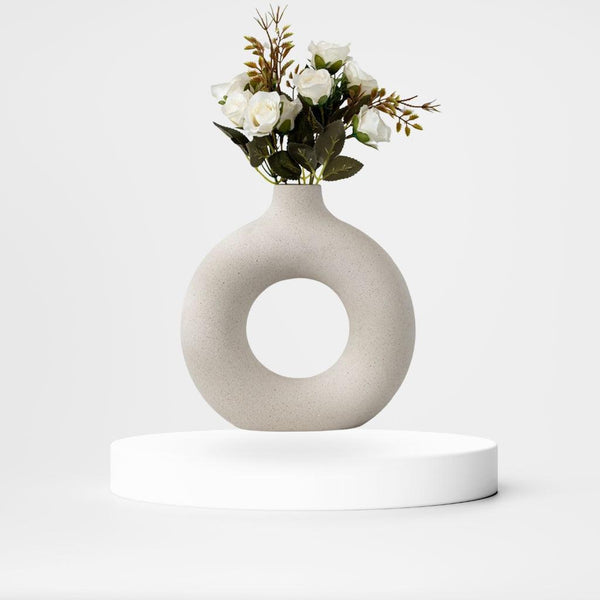
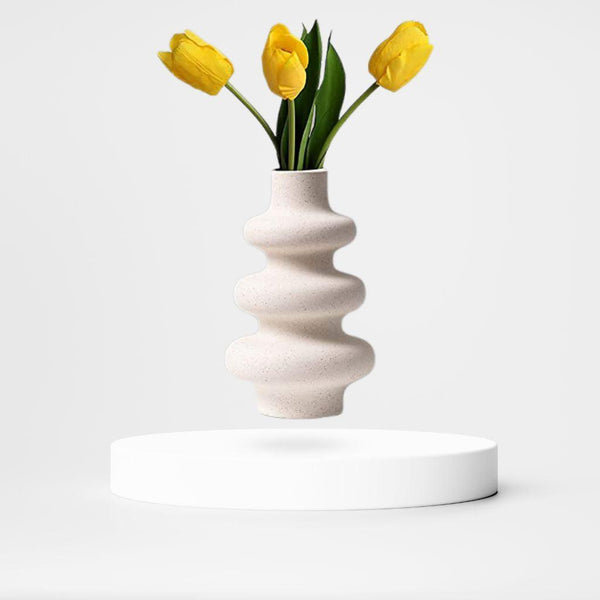
Eine Vielfalt natürlicher Materialien wie helle Hölzer, Leinen, Ton und Stein bereichert die Oberflächenwirkung und stärkt zugleich den Nachhaltigkeitsgedanken. Behagliche Stricktextilien, fühlbar strukturierte Keramik und handgewebte Teppiche schaffen Wärme und Tiefe, ohne die klaren Linien des minimalistischen Umfelds zu stören.
Um Ihren Raum individuell zu gestalten, ohne die Grundsätze minimalistischen Designs zu beeinträchtigen, präsentieren Sie einige wenige bedeutungsvolle Stücke – vielleicht ein geerbtes Keramikobjekt oder gerahmte Kalligrafie. Solche dezenten Akzente wecken Emotionen, ohne Unruhe zu erzeugen.
Die Beleuchtung spielt eine wesentliche Rolle: Nutzen Sie möglichst viel Tageslicht und ergänzen Sie es durch sanftes Umgebungslicht, etwa mit Reispapierleuchten oder intelligenten, dimmbaren LEDs, die unaufdringlich und dennoch wirkungsvoll bleiben.
Probieren Sie einfache DIY-Projekte aus, beispielsweise die Aufarbeitung von Holzmöbeln, Wandoberflächen mit Kalkfarbe oder eine gemütliche, mit Pflanzen ausgestattete Ruhezone. Vermeiden Sie dabei typische Fehler: Dekorieren Sie nicht zu viel, geben Sie der Funktion Vorrang vor der Form und verzichten Sie auf synthetische Oberflächen, die dem Wesen von Japandi widersprechen.

Entscheidungshilfe für Japandi-Interiordesign
Was Sie vor der Umgestaltung des Raums prüfen sollten
Beginnen Sie beim Japandi-Interiordesign mit der größten Einschränkung und der Person, die den Raum am häufigsten nutzt. Eine benachbarte Entscheidung kann das Ergebnis verändern. Vergleichen Sie Ihren Plan daher mit minimalistischen Wohnzimmerideen für ein modernes, ruhiges Zuhause, bevor Sie ein Maß, ein Verhältnis oder eine Gestaltungsgewohnheit als endgültig betrachten. Ziel ist nicht, eine Formel perfekt nachzubilden, sondern Blickpunkthierarchie, Maßstab und Alltagsfunktion in Einklang zu bringen.
| Entscheidungsfaktor | Was zu prüfen ist | Warum es wichtig ist |
|---|---|---|
| Architektonische Grundlage | Licht, Proportionen und feste Bauelemente des Raums einbeziehen | Lässt den Stil wie einen integralen Bestandteil wirken |
| Materialpalette | Eine kleine, aufeinander abgestimmte Gruppe authentisch wirkender Oberflächen wählen | Schafft Tiefe und Glaubwürdigkeit |
| Dekorative Ebene | Kunst, Textilien und Objekte gezielt ergänzen | Verleiht Charakter, ohne ins Kostümhafte abzugleiten |
So vergleichen Sie zwei praktikable Optionen
Wenn Sie zwei Optionen für das Japandi-Interiordesign vergleichen, bilden Sie beide in Originalgröße nach, fotografieren Sie sie vom Eingang und von der wichtigsten Nutzungsposition aus und notieren Sie, was jede Variante verbessert oder beeinträchtigt. Stimmen Sie das Umfeld mithilfe von skandinavischem Hausdesign: zeitloser Stil & nachhaltiges Wohnen ab. Dieser Vergleich zeigt häufig, ob das vermeintliche Problem auf diese Regel oder auf eine benachbarte Farb-, Beleuchtungs-, Möbel- oder Stauraumentscheidung zurückgeht.
Eine praktische Schritt-für-Schritt-Methode
Messen, in Originalgröße nachbilden und beobachten
Testen Sie Japandi-Interiordesign in umkehrbaren Schritten und berücksichtigen Sie dabei Türen, Schubladen, Schalter, Lüftungsöffnungen sowie den Zugang für die Reinigung. Wenn sich durch die Anpassung die gesamte Anordnung verändert, nutzen Sie modernes skandinavisches Hausdesign: Trends & Tipps als zweite Planungsreferenz, statt das zentrale Objekt isoliert zu betrachten.
- Sammeln Sie Referenzen und benennen Sie wiederkehrende Merkmale. Führen Sie die Prüfung von der Position aus durch, an der der Raum tatsächlich genutzt wird, und halten Sie Veränderungen fest, bevor Sie zum nächsten Schritt übergehen.
- Erfassen Sie die unveränderliche Architektur des Raums. Nehmen Sie jeweils nur eine kontrollierte Anpassung vor, damit erkennbar bleibt, welche Entscheidung die Funktion verbessert und welche lediglich die Optik verändert.
- Wählen Sie eine zurückhaltende Materialpalette. Fotografieren oder markieren Sie das Ergebnis, bevor Sie weitere Änderungen vornehmen. Ein Referenzpunkt verhindert, dass kleine Anpassungen zu einer völlig anderen Gestaltung führen.
- Ergänzen Sie eine zentrale Möbel- oder Kunstebene. Führen Sie die Prüfung von der Position aus durch, an der der Raum tatsächlich genutzt wird, und halten Sie Veränderungen fest, bevor Sie zum nächsten Schritt übergehen.
- Entfernen Sie alles, was wie eine bloße Requisite wirkt. Nehmen Sie jeweils nur eine kontrollierte Anpassung vor, damit erkennbar bleibt, welche Entscheidung die Funktion verbessert und welche lediglich die Optik verändert.
Das Ergebnis anhand maßgeblicher Empfehlungen prüfen
Bei Japandi-Interiordesign bleiben Kunstwerke, Fotografien und geschätzte Dekorationsobjekte länger erhalten, wenn bei der Platzierung direktes Licht, Wärme, Luftfeuchtigkeit, Berührungen und eine sichere Befestigung berücksichtigt werden. Die Hinweise des Smithsonian zur Pflege von Kunst und Sammlungen bieten hierzu fundierte Empfehlungen. Beachten Sie die Produktanweisungen sowie alle örtlichen Bau-, Elektro-, Brandschutz- und Barrierefreiheitsvorschriften, die für die endgültige Installation gelten.
Wann die Regel angepasst werden sollte
Funktionale Ausnahmen haben Vorrang
Passen Sie das Japandi-Interiordesign an, wenn die Mobilität einer Person, der Schwenkbereich einer Tür, eine niedrige Decke, eine unveränderliche Aussicht, eine Wärmequelle oder der erforderliche Betriebsfreiraum eines Produkts die Prioritäten verändert. Vergleichen Sie die Ausnahme mit Ideen zur Möbelanordnung in kleinen Wohnzimmern für mehr Platz und behalten Sie sie nur bei, wenn der Raum leichter nutzbar wird, ohne ein neues Hindernis, eine Blendstelle, einen instabilen Gegenstand oder ein Wartungsproblem zu schaffen.
Auch optische und materielle Ausnahmen brauchen einen Grund
Eine bewusste Ausnahme vom Japandi-Interiordesign kann Architektur, Kunst, Handwerkskunst oder ein bedeutungsvolles Objekt betonen, sollte aber aus üblichen Blickwinkeln weiterhin nachvollziehbar sein. Richtung und Intensität des Tageslichts verändern sich im Laufe des Tages. Farbe, Blendung, Spiegelung und Kontrast sollten deshalb im tatsächlichen Licht des Raums beurteilt werden. Ziehen Sie ergänzend die Empfehlungen des US-Energieministeriums zur Tageslichtnutzung heran und prüfen Sie die fertige Lösung anschließend unter normalen Wohnbedingungen.
Häufige Fehler, die Sie vermeiden sollten
Beim Japandi-Interiordesign entstehen die meisten Fehler, wenn eine einzelne Regel optimiert wird, ohne den übrigen Raum zu berücksichtigen. Prüfen Sie vor dem Kauf oder Bohren anhand von minimalistischen Wohnzimmerideen für einen ruhigen, modernen Raum die angrenzende Gestaltungsebene und vergewissern Sie sich, dass die geplante Änderung weiterhin das Gesamtkonzept unterstützt.
Den Stil auf Motive reduzieren
Einige offensichtliche Symbole können Proportionen, Material, Farbe und Handwerkskunst nicht ersetzen. Entwickeln Sie den Raum zuerst aus der übergeordneten Gestaltungssprache. Prüfen Sie diesen Punkt anhand der Hauptnutzung des Raums, bevor Sie das Japandi-Interiordesign endgültig festlegen.
Unterschiedliche regionale und historische Bezüge wahllos mischen
Entscheiden Sie sich für eine klare Interpretation und eine Epoche oder einen Ort als Inspirationsquelle. Setzen Sie Kontraste anschließend sparsam ein, statt unverbundene Stilmerkmale zu vermischen. Prüfen Sie diesen Punkt anhand der Hauptnutzung des Raums, bevor Sie das Japandi-Interiordesign endgültig festlegen.
Komfort zugunsten der Optik opfern
Modernes Leben erfordert weiterhin Beleuchtung, Stauraum, freie Laufwege und einfache Pflege. Integrieren Sie diese Aspekte zurückhaltend, statt sie als störende Eingriffe in den Stil zu betrachten. Prüfen Sie diesen Punkt anhand der Hauptnutzung des Raums, bevor Sie das Japandi-Interiordesign endgültig festlegen.
Häufig gestellte Fragen
Diese Antworten konzentrieren sich auf Japandi-Interiordesign. Für einen umfassenderen Vergleich auf Raumebene kann skandinavisches Hausdesign: zeitloser Stil trifft Effizienz dabei helfen zu prüfen, ob dieselbe Entscheidung an anderer Stelle wiederholt, reduziert oder angepasst werden sollte.
Muss die Architektur zum Stil passen?
Nein. Interpretieren Sie den Stil mit Farben, Materialien, Möbelformen und Beleuchtung, ohne die vorhandene Architektur zu missachten. Übertragen Sie diese Antwort erst auf das Japandi-Interiordesign, nachdem Sie den tatsächlichen Raum, seine Nutzer und das jeweilige Produkt geprüft haben.
Wie vermeide ich einen inszenierten Themenlook?
Bevorzugen Sie echte Materialien, zurückhaltende Wiederholungen und funktionale Stücke gegenüber wörtlichen Symbolen oder einer Ansammlung dekorativer Requisiten. Übertragen Sie diese Antwort erst auf das Japandi-Interiordesign, nachdem Sie den tatsächlichen Raum, seine Nutzer und das jeweilige Produkt geprüft haben.
Lässt sich der Stil mit modernen Möbeln kombinieren?
Ja. Achten Sie auf harmonierende Proportionen und Farbuntertöne. Lassen Sie anschließend eine begrenzte Anzahl charakteristischer Materialien oder Silhouetten die Identität prägen. Übertragen Sie diese Antwort erst auf das Japandi-Interiordesign, nachdem Sie den tatsächlichen Raum, seine Nutzer und das jeweilige Produkt geprüft haben.
Worin sollte ich zuerst investieren?
Priorisieren Sie das Element mit der größten optischen und funktionalen Wirkung, etwa die Beleuchtung, einen strapazierfähigen Teppich, eine zentrale Sitzgelegenheit oder ein hochwertig gefertigtes Stauraummöbel. Übertragen Sie diese Antwort erst auf das Japandi-Interiordesign, nachdem Sie den tatsächlichen Raum, seine Nutzer und das jeweilige Produkt geprüft haben.
Fazit
Die anhaltende Anziehungskraft von Japandi liegt 2025 in der zeitlosen Balance aus Ruhe, Nachhaltigkeit und Raffinesse. Als Verbindung zweier tief verwurzelter Gestaltungsphilosophien entwickelt sich der Stil behutsam mit modernen Bedürfnissen weiter und fördert Interieurs, die Wohlbefinden, bewusstes Wohnen und die Wertschätzung handwerklicher Qualität unterstützen.
Mit seinem klaren Fokus auf minimalistisches Design und der Einbindung organischer Formen und Texturen bietet dieser Stil einen wohltuenden Gegenpol zu reizüberfluteten Wohnumgebungen. Ob durch den stillen Charme von verwittertem Holz, Leinenstoffen oder verantwortungsvoll beschaffter Dekoration: Natürliche Materialien tragen wesentlich zu besserer Raumluft, optischer Ausgewogenheit und emotionaler Ruhe bei.
Für moderne Wohnungen ist Japandi besonders relevant, weil der Stil anpassungsfähig ist: Er lässt Raum für Individualität, unterstützt flexible Wohnformen und entspricht umweltbewussten Werten. Ob Sie einen gesamten Wohnbereich neu gestalten oder mit wenigen sinnvollen Verbesserungen beginnen – diesen Stil umzusetzen bedeutet, ein Zuhause zu kuratieren, das Achtsamkeit, Funktion und Schönheit vereint.
Da Lebensweisen zunehmend auf Wohlbefinden und Umweltbewusstsein ausgerichtet sind, ist jetzt der ideale Zeitpunkt, das verwandelnde Potenzial von Japandi zu entdecken. Lassen Sie sich von dieser harmonischen Ästhetik zu neuen Ideen und zeitloser Eleganz inspirieren und beginnen Sie so Ihren Weg zu einem bewusst gestalteten Refugium.