Vom Homefy-Redaktionsteam · Geprüft und aktualisiert am 24. Juli 2026
Kurz erklärt: Beim Gestalten mit ungeraden Zahlen werden Objekte zu einer asymmetrischen Komposition zusammengefasst – häufig aus drei, fünf oder sieben visuellen Einheiten. Am besten wirkt die Anordnung, wenn sich die Stücke in Höhe, Form oder Textur unterscheiden, zugleich aber klar aufeinander bezogen sind. Die Regel ist ein Hilfsmittel für die Komposition und kein Anlass, unnötige Dekoration hinzuzufügen.
Warum ungerade Gruppen Ihre Einrichtung sofort aufwerten
Haben Sie sich schon einmal gefragt, warum Ihr Kaminsims oder Couchtisch trotz perfekter Symmetrie noch immer etwas ausdruckslos wirkt? Die Antwort liegt oft in der Regel für ungerade Gruppen. Dieses einfache Prinzip der Innenraumgestaltung nutzt Arrangements aus 1, 3, 5 oder 7 Objekten, um ein dynamischeres und einladenderes Gesamtbild zu schaffen.
Anders als Arrangements mit gerader Anzahl, die schnell zu förmlich oder statisch wirken, bringt die Regel für ungerade Gruppen Rhythmus, Harmonie und natürliche Bewegung in einen Raum. Deshalb ist die 3-5-7-Gestaltung für Einrichtungsexperten zu einer bewährten Methode geworden: Sie erzeugt mühelos Tiefe und eine überzeugende visuelle Balance, ohne den Raum überladen wirken zu lassen.
In diesem Leitfaden erfahren Sie, warum diese Technik so gut funktioniert, wie sie sich in realen Räumen anwenden lässt und mit welchen Profitipps Sie typische Gestaltungsfehler vermeiden. Wenn Sie das zugrunde liegende Designkonzept genauer kennenlernen möchten, lesen Sie zunächst diesen Leitfaden zu ungeraden Gruppierungen im Design und wenden Sie sich anschließend den folgenden Praxisideen zu.

Warum ungerade Gruppen für reizvolle visuelle Balance sorgen
Die Regel für ungerade Gruppen ist ein einfaches Prinzip der Innenraumgestaltung, bei dem ungerade Zahlen wie 1, 3, 5 oder 7 dynamischere Arrangements entstehen lassen. Psychologisch reagieren Menschen ganz natürlich auf Dreiermuster – in Erzählstrukturen ebenso wie in visuellen Kompositionen. Bei der Raumgestaltung führen ungerade Gruppen den Blick von einem Objekt zum nächsten und schaffen eine Asymmetrie, die beabsichtigt statt zufällig wirkt.
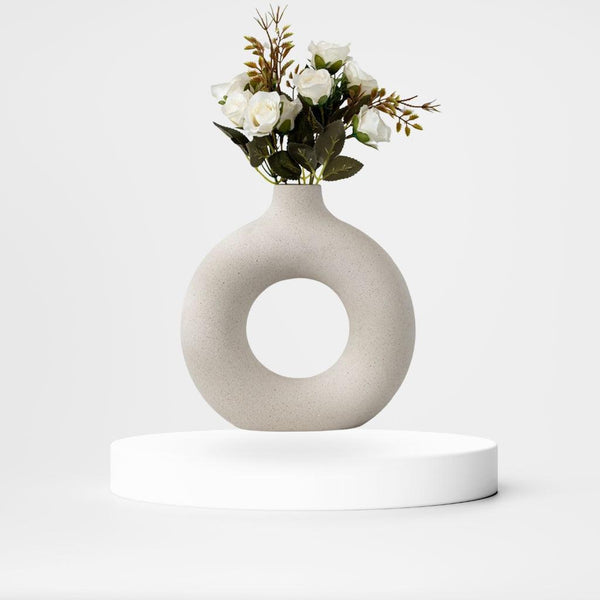
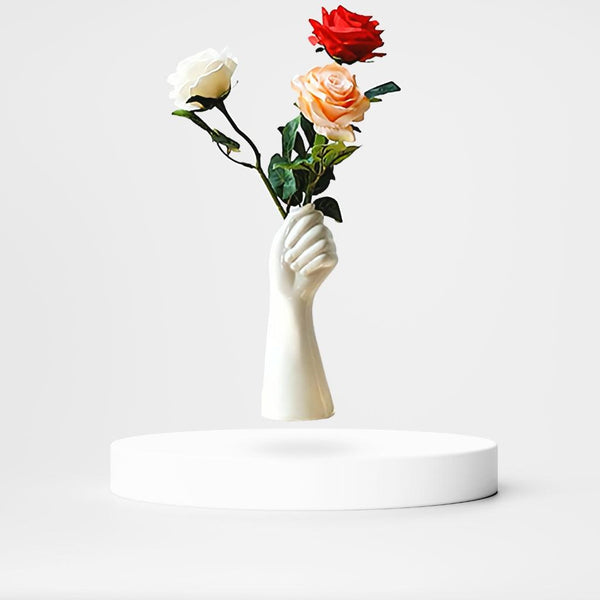
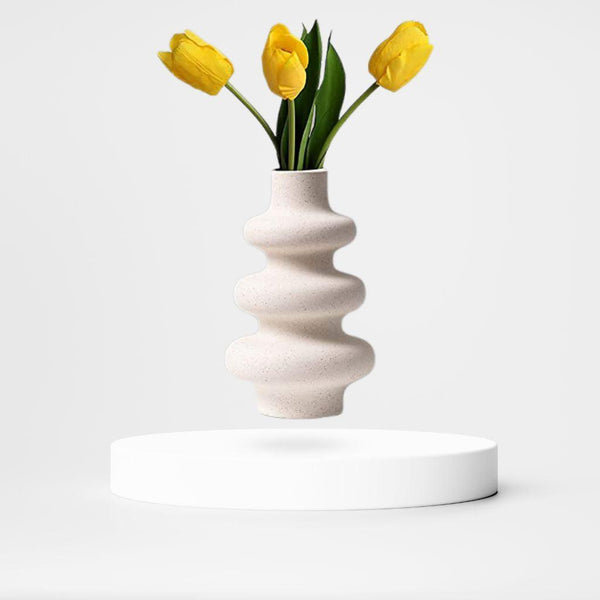
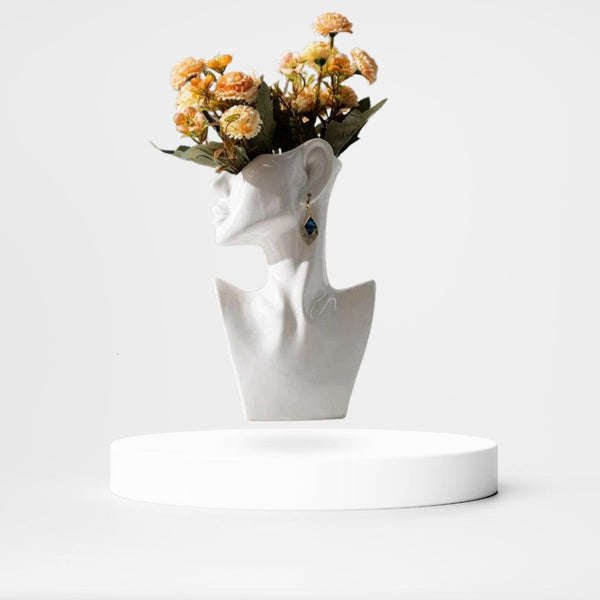
Im Vergleich zu perfekt aufeinander abgestimmten Paaren wirken ungerade Arrangements weniger statisch und vielschichtiger. Symmetrische Paare können förmlich und vorhersehbar erscheinen, während die 3-5-7-Gestaltung Bewegung, Tiefe und Rhythmus erzeugt. So lässt etwa ein Trio unterschiedlich hoher Vasen einen Kaminsims sorgfältig komponiert statt flach wirken. Weitere Beispiele finden Sie in diesem Gestaltungsleitfaden für ungerade Gruppierungen.
Der wesentliche Vorteil ist eine ansprechende visuelle Balance: Arrangements wirken zusammengehörig, ohne zu starr zu werden. Der Ansatz lässt sich auf Dekoration, Möbel, Farben und Texturen übertragen und verleiht einem Raum Harmonie, ohne ihn langweilig erscheinen zu lassen. Erkenntnisse aus dem kognitiven Design, darunter die „Dreierregel“, deuten außerdem darauf hin, dass gruppierte Elemente leichter wahrgenommen und erinnert werden. Damit ist die Gestaltung mit ungeraden Zahlen gleichermaßen schön und praktisch.
Praktische Anwendungen der Regel für ungerade Gruppen
Beginnen Sie bei Dekorationsobjekten und Accessoires, um die Regel für ungerade Gruppen in Ihr Zuhause zu übertragen. Drei Vasen in hoher, mittlerer und niedriger Ausführung lassen einen Kaminsims sofort bewusster gestaltet wirken; drei Kissen mit unterschiedlichen Texturen verleihen einem Sofa Persönlichkeit. Im Wohnzimmer ist dieser Ansatz besonders wirkungsvoll, wenn Proportionen und Abstände stimmen und eine passende Grundlage vorhanden ist – etwa ein Teppich in der richtigen Größe für den Raum.
Auch Möbel und Raumaufteilungen profitieren von der 3-5-7-Gestaltung. Probieren Sie drei Stühle an einem kleinen Tisch, drei Pendelleuchten über einer Kücheninsel oder fünf übereinandergelegte Teppiche und Textilien aus, um Tiefe zu schaffen, ohne den Raum zu überfüllen. Entscheidend sind unterschiedliche Größenverhältnisse, damit jedes Stück eine Aufgabe erfüllt.
Bei Farben, Texturen und Mustern eignen sich Dreierkombinationen, zum Beispiel eine Hauptfarbe mit zwei Akzentfarben – etwa Marineblau, Senfgelb und Creme. Kombinieren Sie Leinen, Strick und Flechtstrukturen für haptische Abwechslung oder gestalten Sie Bilderleisten mit 3, 5 oder 7 Rahmen. Im Außenbereich beleben drei Topfpflanzen eine Terrasse; in großzügigen Eingangsbereichen verstärken fünf oder sieben Elemente die visuelle Balance.

Profitipps und häufige Fehler bei der 3-5-7-Gestaltung
Die Regel für ungerade Gruppen funktioniert am besten, wenn Größe und Proportionen in jedem Arrangement klar abgestimmt sind. Beginnen Sie mit einer Abfolge von klein über mittel bis groß, damit der Blick ganz natürlich durch die Komposition geführt wird. Um eine überzeugende visuelle Balance zu wahren, verbinden Sie die Gruppe durch ein gemeinsames Element, etwa eine Farbpalette, eine Oberflächenart oder ein Material. So wirken ungerade Arrangements nicht zufällig und behalten dennoch ihre entspannte, professionell gestaltete Ausstrahlung.
Einer der größten Fehler bei der 3-5-7-Gestaltung besteht darin, zu ähnliche Gegenstände auszuwählen. Die Stücke sollen aufeinander Bezug nehmen, einander aber nicht kopieren. Ungünstig verteilte Abstände und überfüllte Flächen sind ebenfalls häufige Probleme, besonders in kleinen Räumen. Lassen Sie Freiraum um die Objekte, damit jedes einzelne zur Geltung kommt. Die Regel für ungerade Gruppen funktioniert durchaus auch auf engem Raum – wählen Sie einfach kleinere Objekte, statt zu viele Gegenstände an einer Stelle unterzubringen.
Für einen anspruchsvolleren Ansatz können Sie die Regel über Dekorationsobjekte hinaus anwenden und 1, 3, 5 oder 7 Elemente mit Feng-Shui-Prinzipien verbinden, um einen ruhigeren Raumfluss zu schaffen. Umgestaltungen realer Räume zeigen häufig, dass eine durchdachte 3-5-7-Gestaltung sofort eine überzeugende visuelle Balance erzeugt, ohne den Raum unruhig erscheinen zu lassen. Damit ist der letzte Schritt vorbereitet: diese Ideen praktisch umzusetzen.

Schnelle Entscheidungshilfe für ungerade Arrangements
Ermitteln Sie zunächst das wichtigste Bedürfnis des Raumes und vergleichen Sie das Ergebnis anschließend mit unserem Leitfaden Die Dreierregel meistern und perfekte visuelle Balance schaffen. Diese angrenzende Gestaltungsentscheidung kann die wahrgenommene Größe, Balance oder visuelle Gewichtung des ungeraden Arrangements verändern.
| Entscheidung | Einsatz oder Ausgangspunkt | Gestalterische Wirkung |
|---|---|---|
| Drei | Kleines Regal, Tablett oder kompakter Tisch | Der schnellste Weg zu einer klar erkennbaren Hierarchie |
| Fünf | Lange Konsole, Kaminsims oder Sofa mit mehreren Gestaltungsebenen | Schafft mehr Komplexität, ohne die Einheit der Gruppe aufzulösen |
| Sieben | Großes Arrangement mit klar erkennbaren Untergruppen | Funktioniert, wenn mehrere Objekte als Gruppen und nicht als Unordnung wahrgenommen werden |
Eine praktische Schritt-für-Schritt-Methode
Nutzen Sie beim probeweisen Aufbau die Regel ungerader Gruppen: Warum 3, 5 und 7 im Design funktionieren als zweiten Kontrollpunkt für die umgebende Komposition. Lösen Sie mögliche Konflikte, solange die Elemente noch beweglich sind – nicht erst nach dem Bohren, Bestellen oder Einbauen.
- Legen Sie die Grenzen des Arrangements fest. Halten Sie Ihre Beobachtungen fest, bevor Sie die nächste Ebene verändern. So richtet sich die Gestaltung mit ungeraden Zahlen nach dem tatsächlichen Raum und nicht nach einer allgemeinen Formel.
- Zählen Sie visuelle Einheiten und nicht jeden einzelnen Gegenstand. Prüfen Sie dies von den wichtigsten Blickpunkten und Nutzungspositionen aus. Behalten Sie dann die Lösung bei, die sowohl die Funktion als auch die visuelle Hierarchie verbessert.
- Variieren Sie Höhen und Silhouetten. Nehmen Sie eine gezielte Änderung vor, lassen Sie sie kurz auf sich wirken und prüfen Sie, ob die umgebenden Möbel, die Beleuchtung und die Bewegungsflächen weiterhin gut zusammenspielen.
- Wiederholen Sie eine Farbe oder ein Material. Halten Sie Ihre Beobachtungen fest, bevor Sie die nächste Ebene verändern. So richtet sich die Gestaltung mit ungeraden Zahlen nach dem tatsächlichen Raum und nicht nach einer allgemeinen Formel.
- Entfernen Sie alles, was keine Aufgabe erfüllt. Prüfen Sie dies von den wichtigsten Blickpunkten und Nutzungspositionen aus. Behalten Sie dann die Lösung bei, die sowohl die Funktion als auch die visuelle Hierarchie verbessert.
Wenn Sie bedeutungsvolle oder wertvolle Objekte ausstellen, sollte deren Platzierung auch ihren Zustand schützen. Die Hinweise des Smithsonian zur Sammlungspflege verweisen auf Restaurierungsfachleute und Ressourcen für die Erhaltung. Die Empfehlungen des Smithsonian zur Pflege von Kunstwerken und Sammlungen liefern die zugrunde liegenden Hinweise; verbinden Sie diese mit den Produktanweisungen und allen örtlichen Vorgaben, die für das Projekt gelten.
Wann die Regel angepasst werden sollte
Betrachten Sie die Gestaltung mit ungeraden Zahlen als Rahmen, nicht als Vorschrift. Wenn die Anforderungen eines kleinen Regals, Tabletts oder kompakten Tisches mit denen einer langen Konsole, eines Kaminsimses oder eines Sofas mit mehreren Gestaltungsebenen kollidieren, entscheiden Sie, welches Ergebnis den Menschen und Aktivitäten im Raum am besten dient. Auch die Ausnahme sollte dazu führen, dass mehrere Objekte als Gruppen und nicht als Unordnung wahrgenommen werden; andernfalls löst sie das eigentliche Problem nicht. An dieser Stelle kann das Prinzip der ungeraden Gruppierung außerdem zeigen, ob eine angrenzende Gestaltungsebene die Abweichung vom Ausgangspunkt rechtfertigt.
Testen Sie die angepasste Variante im normalen Alltag und nicht nur für ein inszeniertes Foto. Prüfen Sie sie vom Eingang und vom wichtigsten Blickpunkt aus und benutzen Sie anschließend nahe gelegene Türen, Schubladen, Sitzmöbel, Leuchten oder Aufbewahrungselemente. Behalten Sie die Änderung bei, wenn der Raum weiterhin leichter zu erfassen, zu durchqueren, zu reinigen und instand zu halten ist. Überarbeiten Sie sie, wenn die optische Verbesserung im Alltag neue Unannehmlichkeiten verursacht. Bevor Sie die Entscheidung dauerhaft umsetzen, vergleichen Sie das fertige Arrangement mit der Gestaltungsregel für ungerade Zahlen in einprägsamen Räumen.
Steht ein Arrangement mit ungerader Anzahl auf einem hohen oder kopflastigen Bücherregal, unterstreichen die Anchor It!-Hinweise der CPSC, dass das Möbelstück gemäß den Herstelleranweisungen gesichert werden muss. Ziehen Sie die Anchor It!-Hinweise der CPSC als ergänzende Orientierung heran und berücksichtigen Sie bei der endgültigen Entscheidung außerdem produktspezifische Anweisungen sowie örtliche Vorgaben.
Häufige Fehler, die Sie vermeiden sollten
Viele vermeidbare Fehler entstehen, weil eine Regel isoliert betrachtet wird. Prüfen Sie mithilfe der Drei-Fünf-Sieben-Gestaltung die angrenzende Gestaltungsebene, bevor Sie davon ausgehen, dass das Problem allein beim ungeraden Arrangement liegt.
Jeden kleinen Gegenstand einzeln zählen
Ein Bücherstapel kann als eine einzige Basis wahrgenommen werden, ein Paar ineinandergestellter Gefäße als eine Gruppe. Zählen Sie, was das Auge erfasst, nicht die einzelnen Inventarstücke.
Gleichmäßige Abstände verwenden
Vollkommen gleichmäßige Zwischenräume können eine Vignette wie eine Aufstellung wirken lassen. Fassen Sie zusammengehörige Gegenstände enger zusammen und lassen Sie um die gesamte Gruppe einen größeren Freiraum.
Auf Funktionsflächen eine ungerade Anzahl erzwingen
Esstische, Schreibtische und Arbeitsflächen müssen nutzbaren Platz bieten. Fügen Sie keine weiteren Gegenstände hinzu, sobald die Dekoration die Funktion der Fläche beeinträchtigt.
Häufig gestellte Fragen
Die folgenden Antworten konzentrieren sich auf dieses konkrete Prinzip. Wenn das Projekt zugleich ein anderes wesentliches Raumelement verändert, bietet die Dreierregel in der Raumgestaltung: visuelle Harmonie schaffen eine nützliche Gegenprüfung, bevor Sie sich endgültig festlegen.
Warum wirken Dreiergruppen oft ausgewogen?
Drei Punkte schaffen eine einfache Hierarchie und ermöglichen Asymmetrie, ohne dass der Zusammenhalt verloren geht. Höhe, Abstand und visuelles Gewicht sind dennoch wichtiger als die Zahl allein.
Können auch zwei Objekte bewusst arrangiert wirken?
Ja. Ein ausdrucksstarkes Paar kann ruhig und architektonisch wirken, besonders wenn seine Größe oder Funktion klar erkennbar ist. Ungerade Zahlen sind eine Möglichkeit, keine allgemeingültige Regel.
Wie lassen sich fünf Objekte ohne Überladung arrangieren?
Bilden Sie eine Zweier- und eine Dreiergruppe, variieren Sie die Höhen und lassen Sie um die gesamte Komposition herum eine klare äußere Begrenzung frei.
Zählen Bücher in einem Stapel einzeln?
Meist wird der Stapel als eine einzige Basis wahrgenommen. Zählen Sie ihn als eine visuelle Einheit, sofern die Einbände nicht separat präsentiert werden und jeweils eigene Aufmerksamkeit beanspruchen.
Fazit
Die Regel für ungerade Gruppen ist eine einfache und zugleich wirkungsvolle Methode, um mehr Harmonie, Rhythmus und Persönlichkeit in Ihr Zuhause zu bringen. Wenn Sie Dekorationsobjekte in ungerader Anzahl arrangieren, entsteht eine stärkere visuelle Balance; zugleich vermeiden Sie die flache, vorhersehbare Wirkung allzu symmetrischer Kompositionen. Ob Sie mit Accessoires, Möbeln oder mehreren Texturebenen arbeiten – dieser Ansatz lässt einen Raum natürlicher, dynamischer und bewusst gestaltet erscheinen.
Wenn Sie mit der 3-5-7-Gestaltung experimentieren, sollten Sie die Grundlagen beachten: Variieren Sie die Größenverhältnisse, bewahren Sie ein verbindendes Thema und lassen Sie ausreichend Freiraum, damit jede Gruppe zur Geltung kommt. Die Stärke der Regel für ungerade Gruppen liegt darin, dass sie in fast jedem Raum und in nahezu jeder Größenordnung funktioniert. Damit gehört sie zu den Gestaltungsprinzipien, die sich besonders leicht und sicher anwenden lassen.
Probieren Sie die 3-5-7-Gestaltung noch heute aus und beobachten Sie, wie schnell eine bessere visuelle Balance Ihre Einrichtung verwandelt. Teilen Sie Ihre Vorher-nachher-Ergebnisse in den Kommentaren, entdecken Sie verwandte Themen wie minimalistische Kniffe und Prinzipien der Schichtung und speichern oder teilen Sie diesen Leitfaden als Inspiration für später. Melden Sie sich für weitere Gestaltungstipps zu unseren Neuigkeiten an und schaffen Sie Schritt für Schritt ein Zuhause mit schöner Balance.