Por el equipo editorial de Homefy · Revisado y actualizado el 24 de julio de 2026
Método editorial: las recomendaciones prácticas se contrastaron con las dos fuentes autorizadas que se citan más adelante en su contexto. Las instrucciones de los productos y los requisitos locales aplicables tienen prioridad sobre las normas decorativas.
Respuesta rápida: Los proyectos de decoración DIY para principiantes deben tomarse como un punto de partida ponderado, no como una fórmula inflexible. Conviene comenzar por la persona que más utiliza la estancia y sus condicionantes fijos, probar la idea a escala real y mantenerla solo si contribuye a crear un espacio bien resuelto, con prioridades claras, almacenamiento realista y suficiente amplitud para el día a día.

¿Por qué probar la decoración DIY? La ventaja de ser principiante
En los últimos años ha crecido rápidamente el interés por mejorar el hogar y expresarse de forma creativa, impulsado en parte por canales como HGTV y por las tendencias populares en redes sociales. Cada vez más personas descubren el placer y la satisfacción de emprender proyectos de decoración DIY para principiantes, que permiten renovar el estilo de casa sin estrés ni grandes desembolsos.
Una de las mayores ventajas para quienes empiezan es lo accesibles que resultan estos proyectos. Con pocas herramientas, materiales sencillos y algo de creatividad, cualquiera puede conseguir una transformación que refleje su estilo personal. Desde sacar el máximo partido a un presupuesto reducido hasta adaptar la paleta cromática a cada estación, las posibilidades son infinitas. Además, la mayoría ofrece resultados gratificantes con rapidez y suele poder completarse en un solo fin de semana.
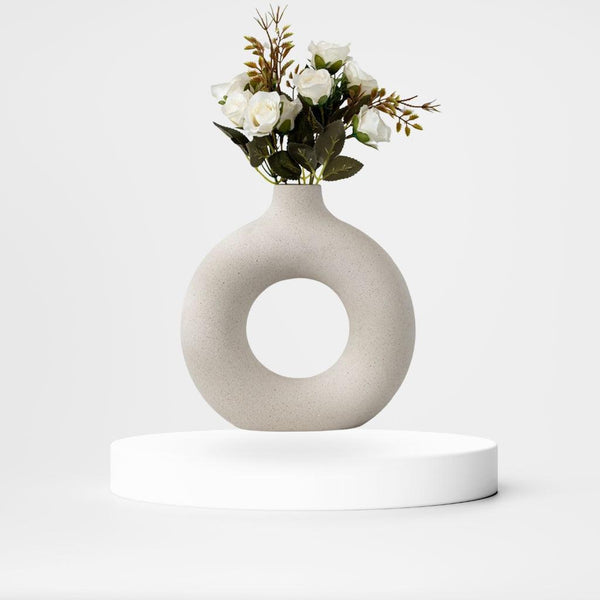
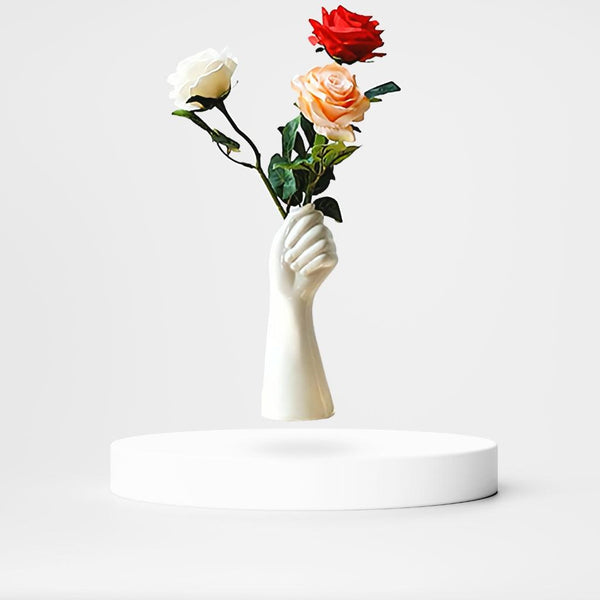
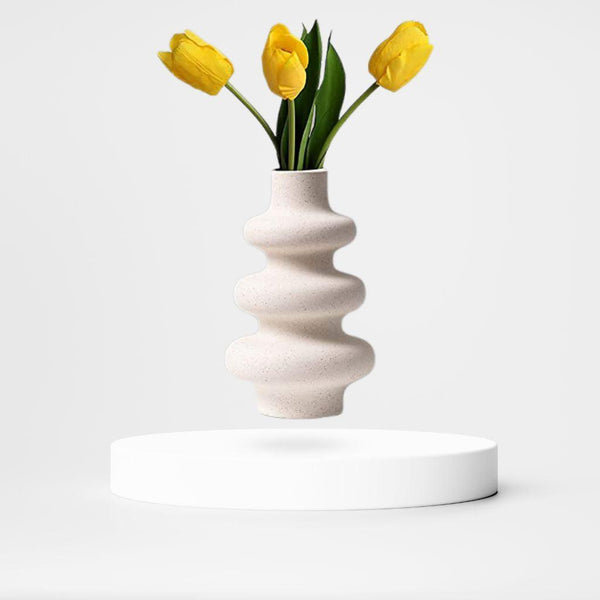
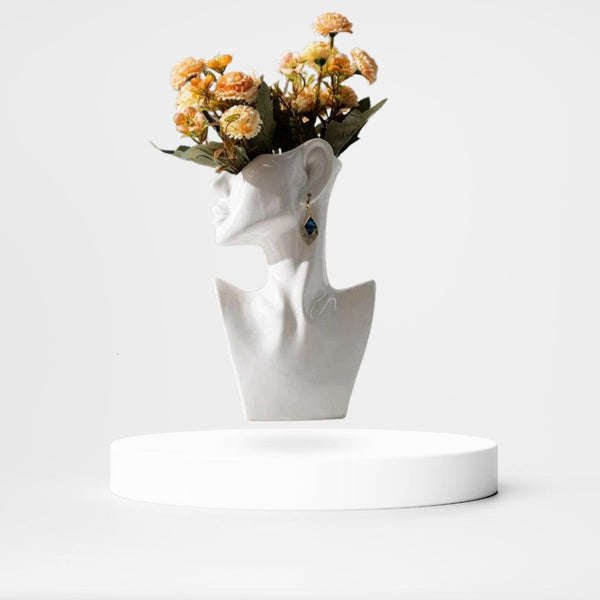
Entre las manualidades fáciles para decorar el hogar más populares se encuentran los jarrones pintados a mano, los adornos de pared, las acogedoras coronas de tela y los detalles decorativos autoadhesivos. No solo aportan encanto a las estancias, sino también una sensación de logro que ningún artículo comprado puede igualar. Para adoptar un enfoque sostenible, se puede consultar nuestra guía de ideas de decoración ecológica para una vida sostenible, perfecta para iniciarse en proyectos DIY fáciles para el hogar.

Proyectos de decoración DIY para principiantes, paso a paso
Al iniciarse en los proyectos de decoración DIY para principiantes, contar con una guía estructurada marca la diferencia. Desde materiales reciclados hasta arte mural hecho a mano, las manualidades temáticas ayudan a simplificar el proceso creativo. Ya sea para reutilizar objetos antiguos o ambientar una estancia con motivo de una ocasión especial, estas ideas realizables en un fin de semana son excelentes puntos de partida para abordar proyectos DIY fáciles para el hogar.
Las manualidades con objetos reutilizados son una forma fantástica de convertir artículos domésticos en piezas decorativas con estilo. Solo se necesitan elementos básicos, como tarros de cristal, marcos de fotos antiguos o latas. Con un poco de pintura, cuerda y pegamento, es posible crear jarrones, maceteros o portavelas personalizados. Para encontrar más ideas de creatividad responsable, puede consultarse nuestra guía sobre muebles reciclados para una decoración sostenible.
Los adornos y centros de mesa de temporada permiten dar un aire festivo al hogar en cualquier celebración o época del año. Desde calabazas pintadas en otoño hasta coloridos centros primaverales, estos proyectos para principiantes requieren pocos materiales y experiencia. Las coronas pequeñas, el follaje de temporada o los detalles en los colores del tema aportan un toque personal.
El arte mural y los accesorios personalizados son ideales para añadir encanto a cualquier estancia. Algunas opciones son los lienzos revestidos de tela, las muestras de papel pintado enmarcadas y los vinilos autoadhesivos. Estas manualidades fáciles para decorar el hogar, muy apreciadas por los aficionados a la decoración, se completan en pocas horas y pueden cambiar por completo el ambiente de una habitación.
Por último, conviene apostar por elementos decorativos funcionales. Proyectos como bandejas personalizadas, pequeñas baldas o cajas de almacenaje decorativas combinan creatividad y utilidad. Con algo de contrachapado, pintura y herrajes sencillos, convertir el desorden en una solución elegante nunca había resultado tan gratificante.

Consejos para triunfar: personalizar y perfeccionar los primeros proyectos
Elegir bien es fundamental al iniciarse en los proyectos de decoración DIY para principiantes. Primero hay que identificar el estilo —moderno, bohemio o rústico— y adaptar la manualidad a esa estética. No conviene complicarse en exceso. Es preferible optar por manualidades fáciles para decorar el hogar que requieran pocas herramientas y permitan disfrutar del proceso sin estrés.
Personalizar puede ser tan sencillo como jugar con las paletas cromáticas y distintas texturas o reutilizar materiales que ya se tienen. Una capa de pintura, unos tiradores elegantes o una tela estampada pueden convertir un objeto básico en una pieza única. Para los proyectos DIY fáciles para el hogar, conviene buscar ideas versátiles que permitan experimentar con distintos acabados, desde pintura a la tiza hasta papel para découpage.
Entre los errores más habituales al empezar están saltarse la preparación o apresurar el secado. Conviene dedicar el tiempo necesario y seguir atentamente los tutoriales. Los pequeños fallos suelen tener fácil arreglo, e incluso los «errores» pueden aportar encanto. ¿Hace falta un empujón creativo?
Planificar bien el presupuesto ayuda a aprovechar al máximo los proyectos del fin de semana. Las tiendas de manualidades económicas, los comercios locales de segunda mano y las plataformas de compraventa en línea son buenas fuentes de materiales asequibles. Muchas ideas de decoración ecológica también incorporan materiales reciclados, por lo que las creaciones pueden ser elegantes y sostenibles a la vez.

Guía para decidir sobre proyectos de decoración DIY para principiantes
Qué valorar antes de modificar la estancia
En los proyectos de decoración DIY para principiantes, conviene empezar por la limitación más importante y por la persona que utiliza la estancia con mayor frecuencia. Una elección cercana puede cambiar la respuesta, por lo que se recomienda comparar el plan con Proyectos de decoración DIY para principiantes: ideas fáciles y con estilo antes de considerar definitiva una medida, proporción o pauta decorativa. El objetivo no es reproducir una fórmula a la perfección, sino armonizar la jerarquía visual, la escala y el uso cotidiano.
| Factor de decisión | Qué comprobar | Por qué es importante |
|---|---|---|
| La función, ante todo | Proteger las actividades que debe permitir la estancia | Evita que el exceso decorativo entorpezca el uso |
| Prioridad visual | Mantener una idea dominante en cada vista | Facilita la lectura visual de la estancia |
| Exigencias de mantenimiento | Tener en cuenta el almacenaje, la limpieza y el orden diario | Mantiene el resultado viable a largo plazo |
Cómo comparar dos opciones viables
Al comparar proyectos de decoración DIY para principiantes, hay que simular ambas opciones a tamaño real, fotografiarlas desde la entrada y el principal lugar de uso, y anotar qué mejora o compromete cada versión. Los elementos circundantes pueden coordinarse con ayuda de Proyectos de decoración DIY para habitaciones infantiles: ideas divertidas y fáciles; esta comparación suele revelar si el aparente problema procede de esta regla o de una decisión próxima sobre el color, la iluminación, los muebles o el almacenaje.
Un método práctico paso a paso
Medir, hacer una simulación y observar
Al probar proyectos de decoración DIY para principiantes, conviene trabajar por fases reversibles e incluir en la prueba puertas, cajones, interruptores, rejillas de ventilación y accesos para la limpieza. Si el ajuste modifica el conjunto de la composición, puede utilizarse Ideas atrevidas para transformar el dormitorio con una pared de acento pintada como segunda referencia de planificación, en lugar de resolver el elemento focal de forma aislada.
- Defina las actividades esenciales de la estancia. Fotografíe o marque el resultado antes de volver a modificarlo; disponer de una referencia evita que una sucesión de pequeños cambios desemboque en un rediseño ajeno al objetivo inicial.
- Retire los objetos que dificulten esas actividades. Realice la comprobación desde el lugar donde realmente se utiliza la estancia y anote qué cambia antes de pasar al siguiente paso.
- Agrupe los objetos restantes según su función. Haga un único ajuste controlado cada vez para identificar qué decisión mejora la funcionalidad y cuál solo modifica el aspecto.
- Complete una zona de gran impacto. Fotografíe o marque el resultado antes de volver a modificarlo; disponer de una referencia evita que una sucesión de pequeños cambios desemboque en un rediseño ajeno al objetivo inicial.
- Revise la estancia después de una semana normal. Realice la comprobación desde el lugar donde realmente se utiliza la estancia y anote qué cambia antes de pasar al siguiente paso.
Comprobar el resultado con directrices autorizadas
En los proyectos de decoración DIY para principiantes, las pertenencias y las tareas pendientes pueden influir en lo exigente que resulta un hogar; por ello, la capacidad de almacenaje y un mantenimiento realista forman parte de la decisión de diseño. El resumen de la investigación de la UCLA sobre el entorno doméstico aporta las directrices de apoyo. Deben respetarse las instrucciones de los productos y cualquier requisito local de construcción, electricidad, protección contra incendios o accesibilidad aplicable a la instalación definitiva.
Cuándo adaptar la regla
Las excepciones funcionales son prioritarias
Los proyectos de decoración DIY para principiantes deben adaptarse cuando la movilidad de una persona, el recorrido de una puerta, un techo bajo, una vista fija, una fuente de calor o el espacio libre necesario para utilizar un producto alteren las prioridades. Conviene comparar la excepción con Ideas de decoración para pisos de alquiler: soluciones fáciles y con estilo y mantenerla solo si facilita el uso de la estancia sin crear un nuevo obstáculo, un punto de deslumbramiento, un objeto inestable o un problema de mantenimiento.
Las excepciones visuales y materiales también necesitan una razón
Una excepción deliberada a los proyectos de decoración DIY para principiantes puede realzar la arquitectura, una obra de arte, la artesanía o un objeto con valor personal, pero debe seguir percibiéndose con claridad desde los puntos de vista habituales. El espacio de aproximación y giro debe planificarse expresamente, no tratarse como la superficie sobrante tras colocar los muebles. Puede consultarse la guía del U.S. Access Board sobre el espacio libre en el suelo como referencia complementaria y, después, revisar la elección terminada en condiciones domésticas normales.
Errores habituales que conviene evitar
En los proyectos de decoración DIY para principiantes, la mayoría de los errores se produce al optimizar una regla sin comprobar el resto de la estancia. Antes de comprar o taladrar, puede consultarse Decoración tropical para el hogar: convierta su espacio en un paraíso para revisar la capa decorativa adyacente y confirmar que el cambio propuesto sigue respaldando el plan general.
Decorar pensando únicamente en una foto despejada
Una estancia también debe albergar cargadores, bolsos, libros y objetos de uso diario. Hay que prever un almacenaje accesible y acorde con los hábitos reales. Esta cuestión debe revisarse conforme al uso principal de la estancia antes de finalizar los proyectos de decoración DIY para principiantes.
Comprar organizadores antes de reducir la cantidad de objetos
Los contenedores no solucionan un exceso de pertenencias. Primero hay que decidir qué debe permanecer en la estancia y después elegir el almacenaje. Esta cuestión debe revisarse conforme al uso principal de la estancia antes de finalizar los proyectos de decoración DIY para principiantes.
Dar el mismo protagonismo a todas las superficies
Conviene decidir dónde concentrar los detalles y mantener más serenas las demás zonas para que la estancia tenga ritmo y espacio útil. Esta cuestión debe revisarse conforme al uso principal de la estancia antes de finalizar los proyectos de decoración DIY para principiantes.
Preguntas frecuentes
Estas respuestas se centran en los proyectos de decoración DIY para principiantes. Para ampliar la comparación al conjunto de la estancia, Ideas de decoración rústica para un salón acogedor de estilo campestre puede ayudar a comprobar si conviene repetir, reducir o adaptar la misma decisión en otras zonas.
¿Cómo se sabe cuándo una estancia está terminada?
Está terminada cuando permite realizar las actividades esenciales, presenta una jerarquía focal clara y los cambios restantes serían opcionales, no correctivos. Esta respuesta solo debe aplicarse a los proyectos de decoración DIY para principiantes tras comprobar la estancia, la persona usuaria y el producto concretos.
¿La contención implica minimalismo?
No. Una estancia con distintas capas puede estar bien depurada si cada objeto visible contribuye a la función, al significado o a la composición prevista. Esta respuesta solo debe aplicarse a los proyectos de decoración DIY para principiantes tras comprobar la estancia, la persona usuaria y el producto concretos.
¿Qué conviene depurar primero?
Hay que empezar por los objetos que obstaculizan el paso, duplican una función, carecen de un lugar de almacenaje o debilitan el foco visual principal. Esta respuesta solo debe aplicarse a los proyectos de decoración DIY para principiantes tras comprobar la estancia, la persona usuaria y el producto concretos.
¿Cada cuánto debe revisarse la estancia?
Conviene revisarla después de los cambios de estación o cuando los objetos cotidianos empiecen a acumularse en lugares que nunca se diseñaron para guardarlos. Esta respuesta solo debe aplicarse a los proyectos de decoración DIY para principiantes tras comprobar la estancia, la persona usuaria y el producto concretos.
Conclusión
Con un poco de esfuerzo y creatividad, los proyectos de decoración DIY para principiantes pueden transformar por completo una estancia y aportarle personalidad, encanto y funcionalidad. Ya sea personalizando un centro de mesa, pintando una obra para la pared u organizando con soluciones de almacenaje caseras, materializar las propias ideas en casa resulta especialmente gratificante.
Estos proyectos DIY fáciles para el hogar demuestran que cualquier persona, independientemente de su experiencia, puede realizar mejoras sencillas y elegantes en un solo fin de semana. Además, son una forma fantástica de personalizar el espacio sin gastar demasiado. Desde manualidades con objetos reutilizados hasta adornos de temporada, las posibilidades de las manualidades fáciles para decorar el hogar son realmente infinitas.
Esperamos haber despertado las ganas de coger la pistola de pegamento, la brocha o el taladro y lanzarse con el primer proyecto. ¿Busca más inspiración para el fin de semana? Descubra nuestros proyectos favoritos con muebles reutilizados y encuentre aún más mejoras ingeniosas y llenas de estilo.
¡Solo falta un proyecto para dar a su hogar su próxima transformación!