Por el equipo editorial de Homefy · Revisado y actualizado el 24 de julio de 2026
Método editorial: las recomendaciones prácticas se contrastaron con las dos fuentes autorizadas citadas en el contexto siguiente. Las instrucciones de los productos y los requisitos locales aplicables prevalecen sobre las reglas decorativas.
Respuesta rápida: use los objetos de decoración artesanal como un punto de partida ponderado, no como una fórmula inflexible. Empiece por la persona que más utiliza la estancia y sus límites fijos, pruebe la idea a escala real y consérvela solo si favorece una jerarquía visual legible que mantenga seguras y fáciles de conservar las obras, las estanterías y los objetos decorativos.
Descubre la belleza de los objetos de decoración artesanal
En un mundo dominado por la producción en masa, los objetos de decoración artesanal están viviendo un regreso notable. Estas piezas únicas aportan personalidad y encanto a cada rincón del hogar, al unir detalle artístico y diseño funcional. Tanto si se renueva un espacio como si solo se añade un acento con significado, la decoración artesanal ofrece mucho más que atractivo visual: encarna autenticidad, oficio y una historia detrás de cada objeto.
Cada vez más propietarios y profesionales del interiorismo reconocen el valor de los muebles a medida y los jarrones de cerámica artesanal por su singularidad y durabilidad. A diferencia de las opciones estándar, estas piezas se adaptan a los gustos individuales y a las necesidades espaciales, y suelen elaborarse con materiales sostenibles y atención al detalle. A medida que la sostenibilidad y la personalización ganan peso en el interiorismo actual, apostar por la decoración artesanal no es solo una tendencia: es una forma de vivir.
En esta guía exploraremos las ventajas de incorporar objetos de decoración artesanal y elementos atemporales como los jarrones de cerámica artesanal a los espacios de vida, entenderemos el oficio que hay tras los muebles a medida y veremos cómo estos acentos personalizados están dando forma a los interiores contemporáneos.

Qué son los objetos de decoración artesanal
Los objetos de decoración artesanal son piezas únicas creadas por artesanos cualificados, a menudo mediante técnicas tradicionales y materiales de alta calidad. A diferencia de los artículos producidos en masa, estas piezas decorativas se elaboran de forma meditada, con una atención al detalle que pone de relieve la pericia de quien las crea. Su individualidad y encanto aportan calidez, carácter y personalidad a cualquier espacio.
Los muebles a medida, también llamados mobiliario personalizado, son una categoría destacada dentro de la decoración artesanal. Cada aspecto —desde las dimensiones y la elección de materiales hasta los acabados y el diseño final— se adapta a las necesidades y preferencias concretas de cada persona. El proceso suele implicar colaboración entre cliente y artesano, para que cada pieza refleje de verdad el estilo personal y la funcionalidad del espacio.
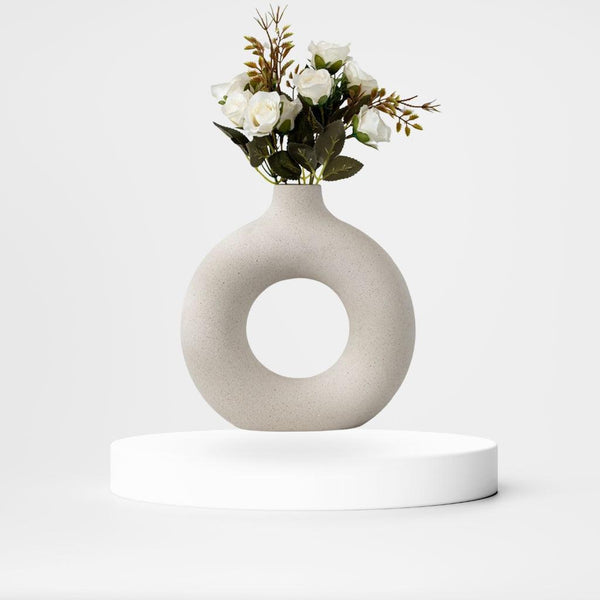
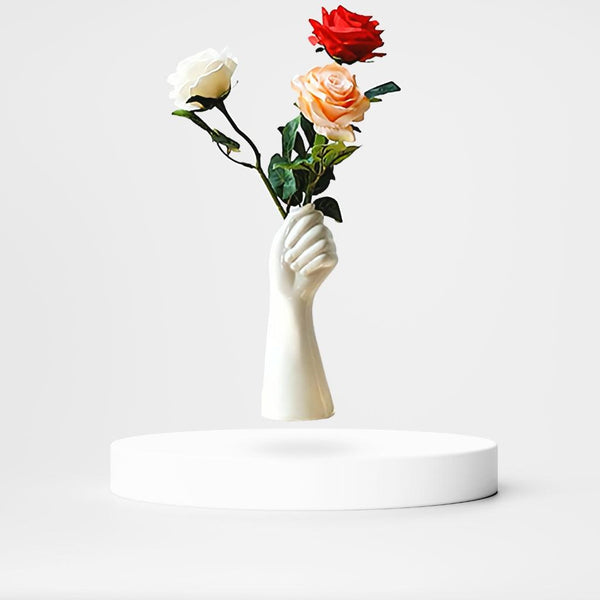
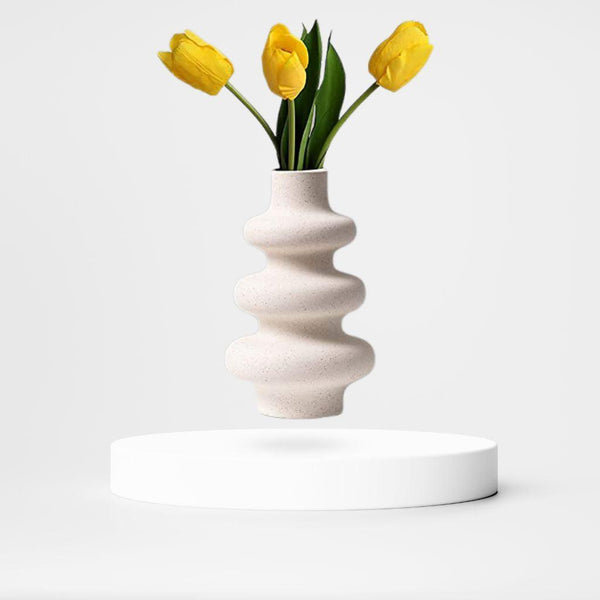
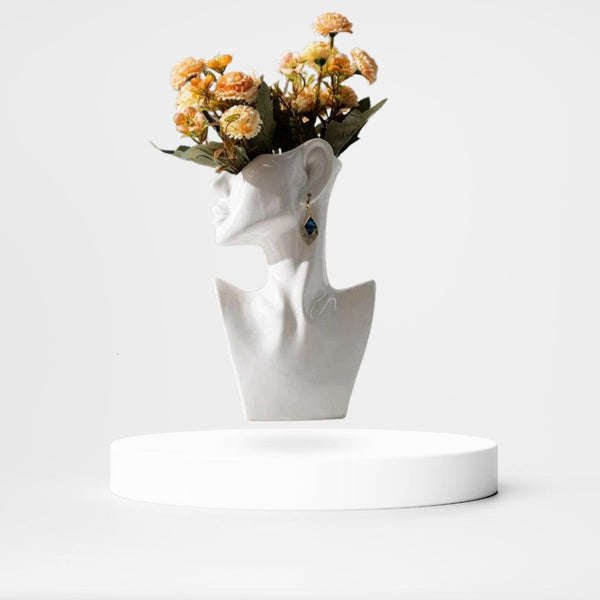
Los jarrones de cerámica artesanal son otro hermoso ejemplo de excelencia hecha a mano. Estos acentos decorativos se elaboran con técnicas tradicionales y regionales, y cada jarrón tiene su propia historia. Ya sean de gres, terracota o porcelana, sus texturas y esmaltes aportan autenticidad y una estética atemporal tanto a interiores modernos como eclécticos.

Ventajas y características clave de los muebles a medida
Uno de los mayores atractivos de los objetos de decoración artesanal reside en su singularidad. A diferencia del mobiliario producido en masa, cada pieza a medida refleja el gusto personal y permite que el hogar exprese la individualidad de quien lo habita. Estas creaciones irrepetibles convierten la vivienda en una expresión genuina del estilo de vida y las preferencias personales.
Los muebles a medida están diseñados para encajar a la perfección en cada entorno. Tanto en un apartamento urbano compacto como en una estancia de forma poco habitual, los diseños personalizados ofrecen soluciones inteligentes que ahorran espacio y armonizan con la decoración existente. Al aprovechar forma y función, el mobiliario a medida evita desperdiciar tanto espacio como estilo.
Otra característica definitoria es la calidad superior de ejecución. Estas piezas las realizan artesanos expertos con materiales de primera, lo que asegura belleza y resistencia. Gracias a maderas de calidad, acabados cuidados y atención al detalle, el mobiliario a medida puede disfrutarse durante generaciones. Descubra más opciones de decoración sostenible que complementan este oficio atemporal.
Desde la elección de materiales y acabados hasta la incorporación de funciones especiales, cada etapa del proceso es colaborativa. Con una personalización completa al alcance de la mano, no se compra simplemente un mueble: se co-crea junto a diseñadores y artesanos expertos. Así se garantiza que cada elemento responda exactamente a la visión deseada.
La sostenibilidad es otra ventaja clave de los jarrones de cerámica artesanal y otros diseños hechos a mano. Al elegir materiales de origen responsable y apoyar a los artesanos locales, se contribuye a un hogar más ecológico y ético. Aunque la inversión inicial pueda ser mayor, su valor a largo plazo —económico y emocional— la convierte en una elección sensata y gratificante.

Tendencias actuales y usos ideales de la decoración artesanal
En el diseño actual, los objetos de decoración artesanal incorporan tecnologías avanzadas como el modelado 3D, el mecanizado CNC y los configuradores en línea, que ofrecen una experiencia digital de personalización fluida. Estas herramientas permiten a propietarios y diseñadores co-crear mobiliario que se adapta a la perfección a los gustos y necesidades espaciales de cada persona.
Resulta igual de interesante el creciente énfasis en la sostenibilidad y el abastecimiento local. Elegir materiales como la madera recuperada y colaborar con artesanos locales se ha vuelto esencial en las decisiones de diseño ético. Las empresas también aprovechan el poder estético y narrativo de los muebles a medida para crear espacios de marca: hoteles de lujo y cafeterías suelen incorporar piezas interiores personalizadas para causar una impresión duradera.
El resurgir de los jarrones de cerámica artesanal subraya aún más el valor de la autenticidad y del oficio tradicional. Estos acentos hechos a mano se integran en interiores modernos y complementan estilos vintage o minimalistas. Para inspirarse sobre el uso de la cerámica, consulte estas ideas de decoración para el hogar que marcarán tendencia en 2026.
Ya se trate de equipar una boutique, diseñar un apartamento acogedor o crear un refugio consciente con el medio ambiente, combinar objetos de decoración artesanal con funcionalidad personalizada ofrece un potencial ilimitado para lograr interiores inolvidables.
Guía de decisión para objetos de decoración artesanal
Qué valorar antes de cambiar la estancia
Para los objetos de decoración artesanal, empiece por la limitación más importante y por quien utiliza la estancia con mayor frecuencia. Una decisión cercana puede cambiar la respuesta; compare el plan con 6 objetos de decoración anticuados que sustituir para lograr un aspecto moderno antes de considerar definitiva una medida, proporción o costumbre decorativa. El objetivo no es reproducir una fórmula a la perfección, sino hacer que jerarquía focal, escala y función diaria estén de acuerdo.
| Factor de decisión | Qué comprobar | Por qué importa |
|---|---|---|
| Anclaje dominante | Elija el primer objeto o conjunto que debe captar la mirada | Crea una jerarquía clara |
| Separación y profundidad | Varíe alturas y superposiciones manteniendo espacio para respirar | Aporta ritmo sin recargar |
| Sujeción y mantenimiento | Compruebe fijaciones, estabilidad, luz y acceso para limpiar | Protege la composición y la estancia |
Cómo comparar dos opciones viables
Al comparar objetos de decoración artesanal, haga una maqueta de ambas opciones a tamaño real, fotografíelas desde la entrada y desde la posición de uso principal, y anote qué mejora o compromete cada versión. Coordine el conjunto circundante con tendencias de decoración en negro para transformar su espacio con estilo; esta comparación suele revelar si el problema aparente procede de esta regla o de una decisión cercana sobre color, iluminación, mobiliario o almacenaje.
Un método práctico paso a paso
Medir, hacer una maqueta y observar
Al probar objetos de decoración artesanal, trabaje por etapas reversibles e incluya en la prueba puertas, cajones, interruptores, rejillas de ventilación y acceso para limpiar. Si el ajuste cambia la composición general, utilice preferencias por colores intensos: principales tendencias de decoración como segunda referencia de planificación, en lugar de resolver el objeto focal de forma aislada.
- Retire o fotografíe la disposición actual. Haga un único ajuste controlado cada vez para identificar qué decisión mejora la función y cuál solo cambia el aspecto.
- Elija un único anclaje dominante. Fotografie o marque el resultado antes de volver a editar; un punto de referencia evita que pequeños cambios se conviertan en un rediseño sin relación.
- Simule las separaciones con papel o cinta adhesiva. Complete la comprobación desde la posición en que realmente se utiliza la estancia y anote qué cambia antes de pasar al siguiente paso.
- Añada los objetos de apoyo según altura y profundidad. Haga un único ajuste controlado cada vez para identificar qué decisión mejora la función y cuál solo cambia el aspecto.
- Asegure la composición y retire un objeto. Fotografie o marque el resultado antes de volver a editar; un punto de referencia evita que pequeños cambios se conviertan en un rediseño sin relación.
Comprobar el resultado con orientaciones autorizadas
En los objetos de decoración artesanal, las obras de arte, fotografías y objetos decorativos valiosos se conservan mejor si la colocación tiene en cuenta la luz directa, el calor, la humedad, la manipulación y un soporte seguro. La guía del Smithsonian para el cuidado de obras de arte y colecciones ofrece orientación de apoyo. Aplique las instrucciones del producto y cualquier requisito local de construcción, electricidad, incendios o accesibilidad que rija la instalación final.
Cuándo adaptar la regla
Primero, las excepciones funcionales
Adapte los objetos de decoración artesanal cuando la movilidad de un usuario, el giro de una puerta, un techo bajo, una vista fija, una fuente de calor o el espacio libre de funcionamiento de un producto cambien la prioridad. Compare la excepción con ideas de decoración ecológica con marcas de mobiliario sostenible y manténgala solo si la estancia resulta más fácil de usar sin crear un nuevo obstáculo, punto de deslumbramiento, objeto inestable o problema de mantenimiento.
Las excepciones visuales y materiales también necesitan un motivo
Una excepción deliberada en los objetos de decoración artesanal puede destacar la arquitectura, una obra, el oficio o un objeto significativo, pero debe seguir siendo legible desde los puntos de vista habituales. La luz natural cambia de dirección e intensidad a lo largo del día, por lo que conviene revisar color, deslumbramiento, reflejos y contraste con la luz real de la estancia. Consulte la guía del Departamento de Energía de EE. UU. sobre iluminación natural como consideración de apoyo y revise después la elección terminada en condiciones domésticas normales.
Errores habituales que conviene evitar
Con los objetos de decoración artesanal, la mayoría de los errores ocurren cuando se optimiza una regla sin comprobar el resto de la estancia. Antes de comprar o taladrar, utilice ideas de decoración ecológica: renovar con pinturas no tóxicas para revisar la capa de diseño adyacente y confirmar que el cambio propuesto sigue respaldando el plan global.
Dar la misma importancia a todos los objetos
Cuando todo compite, la mirada no encuentra dónde descansar. Establezca un anclaje y deje que las piezas pequeñas lo acompañen. Revise esta cuestión frente al uso principal de la estancia antes de terminar la composición con objetos de decoración artesanal.
Resolver las distancias sin el mobiliario circundante
Una composición de cuadros, estantes o jarrones debe relacionarse con la consola, el sofá, la ventana o la pared que queda debajo. Revise el alzado completo. Revise esta cuestión frente al uso principal de la estancia antes de terminar la composición con objetos de decoración artesanal.
Ignorar la estabilidad y la conservación
La luz solar, el calor, las fijaciones débiles y los muebles con demasiado peso en la parte superior pueden dañar objetos o crear riesgos. Incorpore el cuidado a la composición. Revise esta cuestión frente al uso principal de la estancia antes de terminar la composición con objetos de decoración artesanal.
Preguntas frecuentes
Estas respuestas se centran en los objetos de decoración artesanal. Para una comparación más amplia a nivel de estancia, ideas de decoración para dormitorios pequeños: consejos elegantes e inteligentes puede ayudarle a comprobar si la misma decisión debe repetirse, reducirse o adaptarse en otro lugar.
¿Un conjunto equilibrado necesita simetría?
No. La asimetría funciona cuando el peso visual, la altura, el color y el espacio negativo siguen distribuyéndose de forma intencionada. Aplique esta respuesta a los objetos de decoración artesanal solo después de comprobar la estancia, el usuario y el producto reales.
¿Cómo elegir la separación entre objetos?
Parta de una base coherente, simúlela a escala real y ajuste solo cuando el tamaño de los objetos o la distancia de observación lo justifiquen. Aplique esta respuesta a los objetos de decoración artesanal solo después de comprobar la estancia, el usuario y el producto reales.
¿El almacenamiento práctico puede seguir viéndose cuidado?
Sí. Mantenga accesibles los objetos de uso frecuente, agrupe los pequeños en recipientes y reserve espacio abierto para que la composición siga siendo legible. Aplique esta respuesta a los objetos de decoración artesanal solo después de comprobar la estancia, el usuario y el producto reales.
¿Cuándo conviene retirar un objeto?
Retírelo cuando duplique otra función, dificulte el uso, debilite el punto focal o complique la limpieza y la estabilidad. Aplique esta respuesta a los objetos de decoración artesanal solo después de comprobar la estancia, el usuario y el producto reales.
Conclusión
Elegir objetos de decoración artesanal es más que una decisión de estilo: supone un compromiso con la calidad, la individualidad y la sostenibilidad. Con un carácter inigualable y una ejecución superior, estas piezas cuentan historias y dejan una impresión duradera en cualquier espacio.
Tanto si se invierte en muebles a medida adaptados con precisión al gusto y al espacio como si se realza la decoración con jarrones de cerámica artesanal atemporales, cada elemento hecho a mano aporta profundidad y alma al interior. Estas elecciones decorativas no solo embellecen: también son inversiones significativas y duraderas en comodidad personal y responsabilidad medioambiental.
Al seleccionar piezas realizadas con cuidado e intención, se crea mucho más que una vivienda o negocio visualmente impactante: se apoya a artesanos expertos, se adoptan prácticas sostenibles y se compone un lugar que de verdad se siente propio. Para inspirarse y unir sostenibilidad y autenticidad en la decoración, explore nuestra guía de ideas de decoración ecológica con marcas de mobiliario sostenible.