Por el equipo editorial de Homefy · Revisado y actualizado el 24 de julio de 2026
Método editorial: las recomendaciones prácticas se contrastaron con las dos fuentes de referencia citadas a continuación. Las instrucciones del producto y los requisitos locales aplicables prevalecen sobre las normas decorativas.
Respuesta rápida: Tome las pautas de decoración escandinava como un punto de partida meditado, no como una fórmula inflexible. Empiece por quien más utiliza la estancia y sus límites fijos, pruebe la idea a escala real y manténgala solo si respalda un lenguaje decorativo reconocible basado en materiales, color, forma y oficio, y no en una acumulación temática.
El diseño escandinavo reúne sencillez, funcionalidad y belleza natural, por lo que es una elección atemporal para decorar interiores. Tanto si está rediseñando su hogar como si incorpora sutiles elementos nórdicos, estos consejos esenciales de decoración le ayudarán a crear un espacio elegante y acogedor.
1. Comprender los principios esenciales del diseño escandinavo
La decoración interior escandinava se sustenta en una filosofía de minimalismo, practicidad y calidez. El objetivo es crear un espacio acogedor y libre de desorden, celebrando al mismo tiempo la artesanía y los elementos naturales.

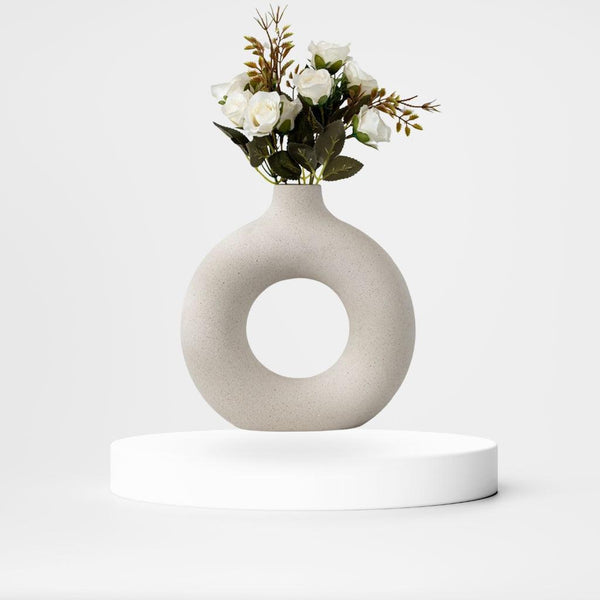
Para lograr este estilo, priorice las líneas limpias, los tonos neutros y una decoración funcional. Incorpore elementos clave como muebles de madera clara, textiles suaves y detalles cerámicos para equilibrar estética y comodidad. Piezas como un juego de jarrones cerámicos modernos o un jarrón donut de cerámica de inspiración escandinava pueden realzar el espacio con sutileza sin imponerse a su sencillez.
2. Elegir una paleta neutra para un ambiente sereno y tranquilo
Una paleta de colores neutros es esencial en la decoración escandinava. Los tonos blancos, beige, grises suaves y pasteles apagados crean una sensación ligera y diáfana, perfecta para propiciar el descanso.
Ventajas de los colores neutros en interiorismo:
✔️ Iluminan los espacios – Reflejan la luz natural y hacen que las habitaciones parezcan más amplias.
✔️ Atractivo atemporal – Dan durabilidad a las decisiones de diseño.
✔️ Versatilidad – Combinan con materiales, texturas y elementos decorativos diversos.
✔️ Crean una atmósfera relajante – Ideal para descansar y desconectar.
Combine paredes neutras con alfombras con textura, cortinas suaves de lino y jarrones de cerámica para aportar profundidad sin alterar la calma del conjunto. Un juego moderno de jarrones decorativos blancos de cerámica puede funcionar como elegante punto focal sin perder el aire minimalista.
3. Aprovechar al máximo la luz natural para un espacio luminoso y diáfano
La luz natural es un rasgo definitorio de los interiores escandinavos. Potencia la amplitud, la calidez y la serenidad, y contribuye al ambiente ligero que caracteriza este estilo.
Cómo optimizar la luz natural:
✔️ Use visillos – Elija tejidos de lino o algodón que dejen pasar la luz del sol.
✔️ Elija paredes de colores claros – El blanco y los tonos pastel potencian la luminosidad.
✔️ Añada espejos – Bien situados, reflejan la luz y hacen que los espacios pequeños parezcan mayores.
✔️ Distribuciones abiertas – Mantenga el mobiliario al mínimo para que la luz circule libremente.
Complete la luz natural con luminarias cálidas y suaves. Una lámpara colgante de estilo escandinavo sobre la mesa de comedor o una lámpara de mesa moderna de cerámica ayudarán a mantener el ambiente acogedor.
4. Invertir en muebles funcionales y de gran calidad
El mobiliario escandinavo gira en torno a la artesanía de calidad y la multifuncionalidad. Elija piezas duraderas, prácticas y atractivas a la vista.
Rasgos clave del mobiliario escandinavo:
✔️ Madera clara (abedul, pino o fresno) – Aporta calidez y un toque natural.
✔️ Líneas limpias y sencillas – Sin ornamentación excesiva; diseños sobrios y funcionales.
✔️ Piezas multiusos – Pufs con almacenaje, mesas de comedor extensibles y sofás modulares.
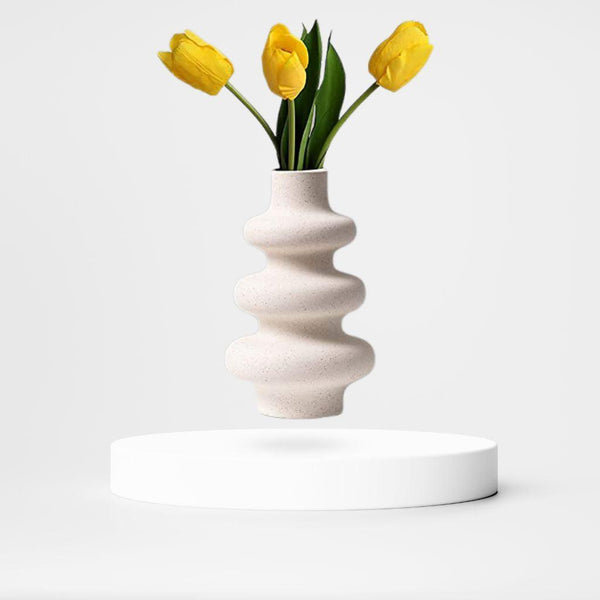
Realce los muebles con cerámica artesanal, textiles tejidos y piezas decorativas minimalistas. Por ejemplo, un juego de jarrones cerámicos escandinavos puede actuar como centro de mesa discreto y elegante.
5. Incorporar materiales naturales para un aire escandinavo auténtico
Un auténtico hogar escandinavo acoge materiales orgánicos que conectan el interior con la naturaleza. Considere integrar:
✔️ Madera – Desde los suelos hasta los muebles, la madera clara es esencial.
✔️ Piedra y cerámica – El mármol, los accesorios pétreos y los jarrones cerámicos aportan un encanto terrenal.
✔️ Textiles tejidos – El lino, el algodón y las alfombras de lana contribuyen al ambiente acogedor.
Pruebe a mezclar bandejas de madera, cuencos de cerámica y cestas tejidas para lograr una combinación de texturas armoniosa. Un juego de jarrones cerámicos modernos puede añadir una nota artística sin abandonar la estética natural.
Para obtener más ideas de estilismo profesional, explore 10 consejos esenciales de decoración interior para 2021.
6. Añadir textiles acogedores para ganar confort y calidez
El concepto escandinavo de hygge (una sensación de bienestar y comodidad) se consigue superponiendo textiles suaves por todo el hogar.
Formas de introducir textiles:
✔️ Mantas de lana y lino – Colóquelas sobre sofás y sillones para lograr calidez al instante.
✔️ Cojines mullidos – Mezcle texturas como terciopelo, punto y algodón.
✔️ Alfombras de fibras naturales – Use yute, sisal o lana para asentar visualmente el espacio.
Combinar tejidos suaves con jarrones cerámicos y velas decorativas crea un ambiente equilibrado y acogedor. Un juego de jarrones donut de cerámica funciona especialmente bien junto a textiles con textura y aporta interés visual.
7. Despejar el espacio y abrazar el minimalismo
El minimalismo es un aspecto fundamental de la decoración escandinava. La clave es una sencillez intencionada: conservar únicamente objetos funcionales y bellos.
Consejos para despejar:
✔️ Adopte el principio de «menos es más» – Priorice la calidad frente a la cantidad.
✔️ Use las estanterías abiertas con criterio – Exponga unas pocas piezas de cerámica o libros bien elegidos.
✔️ Opte por soluciones de almacenaje ocultas – Mantenga las superficies despejadas.
Las piezas decorativas deben tener una función sin perder el equilibrio. Considere añadir un juego de jarrones cerámicos de estilo escandinavo para realzar con sutileza la estética minimalista.
8. Usar iluminación protagonista para elevar el diseño

En los interiores escandinavos, la iluminación es funcional y decorativa a la vez. Las piezas protagonistas —como colgantes, lámparas de pie y apliques— transforman el espacio sin perder una apariencia limpia y sobria.
✔️ Lámparas colgantes sobre mesas de comedor – Una luz suave y difusa crea un ambiente cálido.
✔️ Lámparas de pie de silueta escultórica – Un toque actual y estilizado para las zonas de estar.
✔️ Lámparas de mesa con base cerámica – Elegancia sutil en zonas de trabajo o mesillas.
Para lograr cohesión, combine las luminarias con jarrones de cerámica y accesorios de madera y cree una estética escandinava redonda.
9. Integrar vegetación y plantas para dar frescura
Llevar la naturaleza al interior es una pauta esencial de la decoración escandinava. Las plantas aportan color, textura y un soplo de aire fresco a los interiores minimalistas.
Las mejores plantas para interiores escandinavos:
✔️ Sansevierias y pothos – Elegantes y de bajo mantenimiento.
✔️ Ficus lyrata y ficus elástica – Vegetación alta y escultural para las esquinas.
✔️ Ramas secas en jarrones de cerámica – Una elección decorativa atemporal y sencilla.
Un juego de jarrones cerámicos modernos puede lucir la vegetación con belleza y reforzar el carácter orgánico del espacio.
10. Personalizar el espacio con detalles sencillos y significativos

Aunque el minimalismo es clave, los interiores escandinavos también fomentan la personalización mediante una decoración elegida con cuidado.
Formas de añadir un toque personal:
✔️ Composición minimalista de cuadros – Fotos familiares en marcos sencillos de madera o metal.
✔️ Velas aromáticas y cerámica artesanal – Aportan calidez y autenticidad.
✔️ Láminas artísticas y esculturas – Elija piezas neutras o inspiradas en la naturaleza.
Un juego de jarrones donut de cerámica bien situado o unos jarrones decorativos modernos de cerámica blanca pueden mejorar el conjunto manteniendo una imagen limpia y pulida.
Reflexiones finales
Siguiendo estos consejos esenciales de decoración, puede conseguir un hogar de inspiración escandinava que sea elegante y funcional. Desde las paletas neutras y los materiales naturales hasta la iluminación protagonista y la decoración minimalista, la belleza del diseño escandinavo reside en su sencillez, calidez y practicidad.
Guía para decidir la decoración interior escandinava
Qué evaluar antes de cambiar la estancia
Para aplicar pautas de decoración escandinava, empiece por la mayor restricción y por la persona que utiliza la estancia con más frecuencia. Una decisión próxima puede cambiar la respuesta; compare el plan con consejos de diseño interior escandinavo para un apartamento pequeño antes de tratar una medida, proporción o hábito decorativo como definitivo. El objetivo no es reproducir una fórmula a la perfección, sino hacer que la jerarquía focal, la escala y el uso diario estén de acuerdo.
| Factor de decisión | Qué comprobar | Por qué importa |
|---|---|---|
| Base arquitectónica | Trabaje con la luz, las proporciones y los elementos fijos de la estancia | Hace que el estilo se perciba integrado |
| Paleta de materiales | Elija una pequeña familia de superficies de aspecto auténtico | Aporta profundidad y credibilidad |
| Capa decorativa | Añada arte, textiles y objetos de manera selectiva | Expresa carácter sin parecer un decorado |
Cómo comparar dos opciones viables
Al comparar pautas de decoración escandinava, haga una maqueta a tamaño real de ambas opciones, fotografíelas desde la entrada y desde la posición principal de uso, y anote qué mejora o compromete cada versión. Coordine la capa circundante con regla de énfasis del punto focal: crea anclajes impactantes en una estancia; esta comparación suele revelar si el problema aparente procede de esta regla o de una decisión cercana sobre color, iluminación, mobiliario o almacenaje.
Un método práctico paso a paso
Medir, hacer una maqueta y observar
Al probar pautas de decoración escandinava, trabaje por etapas reversibles e incluya en la prueba puertas, cajones, interruptores, rejillas de ventilación y acceso para la limpieza. Si el ajuste cambia la disposición general, utilice principio de agrupación en números impares: equilibrio dinámico como segunda referencia de planificación, en lugar de resolver el objeto focal de forma aislada.
- Reúna referencias y nombre los rasgos recurrentes. Haga un único ajuste controlado cada vez para identificar qué decisión mejora la función y cuál solo cambia la apariencia.
- Haga inventario de la arquitectura fija de la estancia. Fotografíe o marque el resultado antes de volver a modificarlo; un punto de referencia evita que pequeños cambios se conviertan en un rediseño inconexo.
- Elija una paleta de materiales contenida. Complete la comprobación desde la posición en la que realmente se usa la estancia y anote qué cambia antes de pasar al siguiente paso.
- Añada una sola capa focal de mobiliario o arte. Haga un único ajuste controlado cada vez para identificar qué decisión mejora la función y cuál solo cambia la apariencia.
- Elimine todo lo que parezca un atrezo. Fotografíe o marque el resultado antes de volver a modificarlo; un punto de referencia evita que pequeños cambios se conviertan en un rediseño inconexo.
Comprobar el resultado con orientación autorizada
En la decoración escandinava, las obras de arte, fotografías y objetos decorativos valiosos se conservan mejor cuando su ubicación considera la luz directa, el calor, la humedad, la manipulación y un soporte seguro. La guía del Smithsonian para cuidar obras de arte y colecciones ofrece la orientación de respaldo. Aplique las instrucciones del producto y los requisitos locales de construcción, electricidad, incendios o accesibilidad que regulen la instalación final.
Cuándo adaptar la regla
Las excepciones funcionales son lo primero
Adapte las pautas de decoración escandinava cuando la movilidad de un usuario, el giro de una puerta, un techo bajo, una vista fija, una fuente de calor o la holgura de funcionamiento de un producto cambien las prioridades. Compare la excepción con decoración escandinava moderna: la guía definitiva de estilo y manténgala solo si la estancia resulta más fácil de usar sin crear una nueva obstrucción, un punto de deslumbramiento, un objeto inestable o un problema de mantenimiento.
Las excepciones visuales y materiales también necesitan un motivo
Una excepción deliberada a las pautas de decoración escandinava puede destacar la arquitectura, el arte, la artesanía o un objeto significativo, pero debe seguir siendo legible desde los puntos de vista habituales. La luz diurna cambia de dirección e intensidad a lo largo del día, por lo que conviene revisar el color, el deslumbramiento, los reflejos y el contraste con la luz real de la estancia. Consulte la guía del U.S. Department of Energy sobre iluminación natural y revise después la elección terminada en condiciones domésticas ordinarias.
Errores habituales que conviene evitar
Con las pautas de decoración escandinava, la mayoría de los errores aparecen al optimizar una regla sin comprobar el resto de la estancia. Antes de comprar o taladrar, utilice diseño de casas escandinavas modernas: tendencias y consejos para revisar la capa de diseño adyacente y confirmar que el cambio propuesto sigue respaldando el plan general.
Reducir el estilo a motivos
Unos pocos símbolos evidentes no sustituyen a la proporción, los materiales, el color y la artesanía. Construya primero la estancia a partir del lenguaje de diseño amplio. Revise esta cuestión frente al uso principal de la estancia antes de cerrar las pautas de decoración escandinava.
Mezclar todas las referencias regionales o históricas
Elija una interpretación clara y un periodo o lugar de inspiración, y añada el contraste con moderación en vez de mezclar firmas inconexas. Revise esta cuestión frente al uso principal de la estancia antes de cerrar las pautas de decoración escandinava.
Sacrificar el confort por la apariencia
La vida moderna sigue requiriendo iluminación, almacenaje, circulación y mantenimiento fácil. Intégrelos con discreción, en vez de tratarlos como intrusiones que rompen el estilo. Revise esta cuestión frente al uso principal de la estancia antes de cerrar las pautas de decoración escandinava.
Preguntas frecuentes
Estas respuestas se centran en las pautas de decoración escandinava. Para una comparación más amplia a escala de estancia, diseño de inspiración asiática: cree interiores serenos de aire zen puede ayudarle a probar si conviene repetir, reducir o adaptar la misma decisión en otro lugar.
¿La arquitectura debe encajar con el estilo?
No. Use el color, los materiales, la forma de los muebles y la iluminación para interpretar el estilo, respetando el edificio existente. Aplique esa respuesta a las pautas de decoración escandinava solo después de comprobar la estancia, el usuario y el producto reales.
¿Cómo evitar un aspecto temático?
Priorice materiales reales, repeticiones contenidas y piezas funcionales frente a símbolos literales o accesorios decorativos acumulados. Aplique esa respuesta a las pautas de decoración escandinava solo después de comprobar la estancia, el usuario y el producto reales.
¿Puede mezclarse este estilo con muebles modernos?
Sí. Mantenga proporciones y subtonos compatibles, y deje que un número limitado de materiales o siluetas característicos establezcan la identidad. Aplique esa respuesta a las pautas de decoración escandinava solo después de comprobar la estancia, el usuario y el producto reales.
¿Dónde conviene invertir primero?
Priorice el elemento de mayor impacto visual y funcional, como la iluminación, una alfombra duradera, los asientos principales o una pieza de almacenaje bien construida. Aplique esa respuesta a las pautas de decoración escandinava solo después de comprobar la estancia, el usuario y el producto reales.
Conclusión
Utilice las pautas de decoración escandinava como un marco probado y conserve la versión que respalde a las personas, los objetos y la arquitectura de la estancia.