Por el equipo editorial de Homefy · Revisado y actualizado el 24 de julio de 2026
Respuesta rápida: un centro de mesa debe acompañar la comida, no ocupar su espacio. Conviene que la composición sea lo bastante baja como para conversar cómodamente o que pueda retirarse entera con facilidad; hay que reservar sitio para los cubiertos y las fuentes, y adaptar el arreglo a la forma de la mesa, no solo a la estancia.
Por qué los interioristas rompen las reglas de los centros de mesa
Si alguna vez se ha dado por hecho que toda regla sobre centros de mesa debe seguirse al pie de la letra, es muy probable que los interioristas profesionales discrepen. En las viviendas actuales, los consejos anticuados suelen entorpecer la forma real de comer, recibir invitados y compartir momentos. La decoración contemporánea de la mesa busca menos una formalidad rígida y más crear un ambiente acogedor, práctico y visualmente interesante.
Una de las ideas erróneas más extendidas es que el centro siempre debe ser alto para llamar la atención. En realidad, una composición de poca altura suele funcionar mejor porque despeja las líneas de visión y permite que la conversación fluya con naturalidad de un lado a otro de la mesa. Las normas rígidas sobre altura, colocación y coordinación pueden hacer que el comedor resulte incómodo en lugar de acogedor.
Este artículo explica qué reglas merece la pena romper, cuándo es especialmente importante ser flexible y cómo los interioristas anteponen un centro de mesa funcional a la tradición. También presenta siete normas habituales que los profesionales ignoran con frecuencia para crear comedores más elegantes y prácticos.

Las tres reglas fundamentales que rompen los interioristas
Una de las creencias más comunes sobre las reglas de los centros de mesa sostiene que el arreglo debe llegar a la altura de los ojos o superarla. Esta idea procede de las tradiciones formales, en las que una altura espectacular denotaba elegancia y prestigio. Sin embargo, hoy muchos interioristas rechazan esa norma porque suele ocultar los rostros, interrumpir las líneas de visión y restar conexión a las comidas. En su lugar, prefieren composiciones de poca altura que favorezcan la interacción y un ambiente más distendido. Para saber más sobre cómo replantear las proporciones de los jarrones, consulte esta guía que cuestiona la regla de agruparlos por alturas.
Los interioristas también dejan atrás la idea de que el centro de mesa siempre deba ser perfectamente simétrico y ocupar el centro. En una decoración contemporánea, un arreglo desplazado o un grupo de piezas pequeñas puede resultar más natural y aportar profundidad visual. Así se consigue que la conversación fluya, pues se despejan las vistas a través de la mesa a la vez que la composición gana dinamismo. Para profundizar en el desequilibrio intencionado, descubra cómo utilizan los profesionales una distribución descentrada del espacio.
Otra regla desfasada dicta que el centro debe combinar exactamente con el comedor. Los profesionales suelen preferir el contraste y mezclan metales, texturas y formas para crear un punto focal más memorable. Un centro funcional no tiene por qué integrarse con discreción: puede aportar personalidad, flexibilidad y un acabado cuidado que realce toda la estancia.
Reglas avanzadas que conviene replantear para lograr una mesa más funcional
Otra regla anticuada sobre los centros de mesa afirma que todas las mesas necesitan flores frescas o vegetación para parecer completas. Los interioristas suelen discrepar. Los objetos escultóricos, los grupos de velas, los libros apilados, las piezas de colección y la mezcla de materiales secos pueden aportar la misma personalidad sin mantenimiento, limitaciones estacionales ni costes adicionales. En hogares con poco tiempo, espacios para personas alérgicas o proyectos con presupuestos ajustados, prescindir de flores frescas permite lograr una mesa cuidada y práctica.
Los profesionales también cuestionan que un centro de mesa deba ser exclusivamente decorativo. En una mesa contemporánea, la funcionalidad importa. Las tablas para el pan, las fuentes, las velas e incluso algunas piezas de almacenaje atractivas pueden vertebrar la composición y mejorar el uso real del espacio. Este enfoque ayuda a que la conversación fluya, pues reduce el desorden y hace que la mesa parezca bien pensada en vez de abarrotada. Combinar objetos útiles con una composición de poca altura mantiene la serenidad visual y favorece la comodidad de los invitados.
Los interioristas también rechazan la presión de cambiar el centro de mesa cada temporada. En lugar de renovarlo constantemente, prefieren piezas base atemporales y pequeñas sustituciones en los detalles. Una base neutra funciona durante todo el año y permite que el comedor resulte auténtico, natural y adaptable sin perseguir tendencias.

Cómo aplicar estrategias avaladas por interioristas en cualquier mesa
Detrás de muchas composiciones desmesuradas se encuentra un gran error: suponer que cada regla sobre centros de mesa exige aumentar el arreglo en proporción al tamaño de la mesa. Los interioristas suelen hacer lo contrario. En lugar de una única pieza focal enorme, combinan objetos pequeños, velas o arreglos estrechos que permiten que la conversación fluya sin restar presencia a la mesa.
Un enfoque práctico parte del uso real de la mesa. Si lo más importante son las comidas, recibir invitados y mantener el contacto visual, conviene probar el arreglo desde cada asiento antes de decidir. Una composición de poca altura suele funcionar mejor porque despeja las vistas, deja sitio para las fuentes y crea un ambiente más relajado. Los interioristas también recomiendan entender la proporción como una pauta, no como una fórmula estricta, sobre todo en la decoración contemporánea de mesas.
Para que el conjunto parezca intencionado, se puede comenzar con un material o color que sirva de hilo conductor y añadir después texturas que contrasten y distintas alturas. Conviene retirar elementos hasta que la composición resulte equilibrada, funcional y fácil de mantener. Esa flexibilidad convierte un centro de mesa práctico en una experiencia más personal y acogedora.

Guía rápida para elegir un centro de mesa
Empiece por la principal necesidad de la estancia y compare después el resultado con nuestra guía de ideas para crear un comedor elegante y funcional en un espacio pequeño. Esa decisión de diseño relacionada puede alterar la escala aparente, el equilibrio o la prioridad visual del centro de mesa.
| Decisión | Uso o punto de partida | Efecto decorativo |
|---|---|---|
| Composición baja y continua | Mesa larga o conversaciones frecuentes | Crea ritmo sin ocultar los rostros |
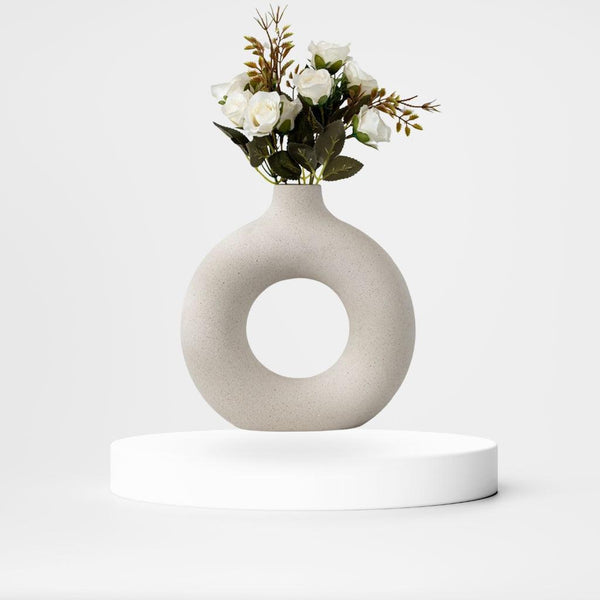
| Recipiente único y compacto | Mesa redonda o comidas diarias | Mantiene flexible el espacio para servir y colocar los cubiertos |
| Bandeja extraíble | Mesa que alterna entre escritorio y comedor | Permite retirar rápidamente toda la composición |
Un método práctico paso a paso
Durante el montaje de prueba, utilice las ideas de decoración sorprendentes para comedores pequeños como segundo control de la composición circundante. Resuelva cualquier conflicto mientras los elementos aún puedan moverse, no después de taladrar, hacer pedidos o instalar.
- Ponga la mesa antes de decorarla. Anote lo observado antes de cambiar la siguiente capa; así, el centro responderá a la estancia real y no a una fórmula genérica.
- Delimite la zona para servir. Compruébela desde los principales puntos de observación y uso, y conserve la solución que mejore tanto la funcionalidad como la jerarquía visual.
- Elija una pieza central compacta. Haga un único ajuste controlado, conviva con él brevemente y compruebe que el mobiliario cercano, la luz y la circulación siguen funcionando en armonía.
- Compruebe las líneas de visión desde los asientos. Anote lo observado antes de cambiar la siguiente capa; así, el centro responderá a la estancia real y no a una fórmula genérica.
- Pruebe a retirar el arreglo y a limpiar a diario. Compruébelo desde los principales puntos de observación y uso, y conserve la solución que mejore tanto la funcionalidad como la jerarquía visual.
Para los centros con velas, la U.S. Fire Administration recomienda utilizar soportes estables, mantener las velas al menos a 12 pulgadas (30,5 cm) de cualquier material combustible y apagarlas siempre que se abandone la estancia. Las directrices de la U.S. Fire Administration sobre seguridad con velas recogen estas recomendaciones; deben combinarse con las instrucciones del producto y cualquier requisito local aplicable al proyecto.
Cuándo adaptar la regla
El centro de mesa debe entenderse como una pauta, no como una orden. Si las necesidades de una mesa larga o de conversaciones frecuentes entran en conflicto con las de una mesa redonda o las comidas diarias, hay que decidir qué resultado favorece mejor a las personas y la actividad de la estancia. La excepción debe seguir permitiendo retirar rápidamente toda la composición; de lo contrario, no habrá resuelto el verdadero problema. En este punto, las ideas de organización que realmente funcionan en cocinas de pisos pequeños también pueden revelar si algún aspecto relacionado justifica adaptar el criterio inicial.
Pruebe la versión adaptada durante el uso cotidiano, no solo en una fotografía preparada. Obsérvela desde la entrada y el punto de vista principal, y accione después las puertas, cajones, asientos, luces o espacios de almacenaje cercanos. Mantenga el cambio si la estancia sigue siendo más fácil de entender, recorrer, limpiar y cuidar; revíselo si la mejora visual genera un nuevo inconveniente diario. Antes de convertir la decisión en definitiva, compare la composición terminada con esta elegante guía para coleccionistas de lámparas de sobremesa modernas de mediados de siglo.
Un centro no debe perjudicar las plazas utilizables ni el espacio de aproximación; las normas de la U.S. Access Board ofrecen una referencia formal sobre el espacio libre en el suelo, el alcance y las superficies para comer. Consulte las Normas ADA de la U.S. Access Board como orientación complementaria y aplique también a la decisión final las instrucciones específicas del producto y cualquier requisito local.
Errores habituales que conviene evitar
Muchos errores evitables surgen al resolver una sola regla de manera aislada. Consulte estas ideas para distribuir los muebles y ganar espacio en un salón pequeño a fin de revisar el aspecto decorativo adyacente antes de asumir que el problema corresponde únicamente al centro de mesa.
Decorar únicamente la mesa vacía
Una composición que parece equilibrada sin platos puede estorbar durante una comida real. Tome como punto de partida el uso más exigente de la mesa.
Utilizar varias piezas frágiles y sueltas
Los objetos pequeños ralentizan la limpieza y pueden volcarse al servir. Agrúpelos en una bandeja estable o reduzca su número.
Colocar llamas cerca de plantas o tejidos
Las llamas abiertas requieren soportes estables, supervisión y una separación generosa de cualquier elemento combustible. Utilice velas sin llama cuando la composición sea densa.
Preguntas frecuentes
Las respuestas siguientes se centran en este principio concreto. Si el proyecto también modifica otro elemento importante de la estancia, estas ideas de decoración eficaces para salones pequeños ofrecen una comprobación adicional útil antes de decidir.
¿Qué altura debe tener un centro de mesa?
Debe ser lo bastante bajo para que los comensales sentados puedan verse y hablar cómodamente por encima, salvo que el arreglo alto sea estrecho y quede claramente por encima de las líneas de visión. Compruébelo desde el asiento.
¿Qué funciona en una mesa redonda pequeña?
Un recipiente compacto, un cuenco pequeño o una bandeja extraíble conserva más perímetro útil que una composición lineal larga.
¿Puede colocarse un centro de mesa a un lado?
Sí. Un grupo descentrado puede liberar espacio para servir y aportar un aire relajado, siempre que mantenga una conexión visual con la mesa y no invada el sitio de ningún comensal.
¿Cómo se decora una mesa que también sirve de escritorio?
Utilice una sola bandeja o recipiente delimitado que pueda retirarse de una vez y asigne a las herramientas de trabajo un lugar de almacenaje independiente.
Conclusión
Como muestra esta guía, todas las supuestas reglas sobre centros de mesa son más flexibles de lo que parecen. Los interioristas ignoran habitualmente ideas desfasadas sobre la altura, la simetría, la coordinación decorativa, las flores frescas, los arreglos puramente ornamentales, los cambios estacionales y las composiciones desmesuradas para mesas grandes. En su lugar, se centran en hacer que el comedor resulte acogedor, personal y fácil de usar.
La principal conclusión es sencilla: conviene anteponer la conexión y la funcionalidad a la formalidad. Una composición de poca altura puede despejar las líneas de visión al instante, mientras que una distribución pensada para que la conversación fluya hace que las comidas sean más cálidas y cómodas. Este cambio refleja la forma contemporánea de recibir, en la que vivir con autenticidad importa más que seguir fórmulas decorativas rígidas.
Esta semana, pruebe un pequeño cambio: retire una pieza que entorpezca la conversación, ensaye una disposición asimétrica o elija un centro más funcional y fiel a su estilo. Las mesas más logradas no son las más «perfectas», sino las que propician experiencias agradables y distendidas. Permítase romper una vieja regla y cree una mesa que se adapte a su forma real de vivir.