Par l’équipe éditoriale de Homefy · Relu et mis à jour le 24 juillet 2026
Méthode éditoriale : les recommandations pratiques ont été vérifiées au regard des deux sources faisant autorité citées ci-dessous dans leur contexte. Les instructions des fabricants et les exigences locales applicables priment sur les règles décoratives.
En bref : considérez la règle de trois comme un point de départ raisonné, et non comme une formule immuable. Commencez par identifier la personne qui utilise principalement la pièce et les contraintes fixes, testez l’idée grandeur nature, puis ne la conservez que si elle favorise un parcours visuel délibéré, une répartition équilibrée des masses visuelles et une souplesse suffisante pour l’usage réel de la pièce.
La règle de trois en décoration : le secret d’une harmonie visuelle naturelle
Les spécialistes de la décoration soulignent souvent que les espaces composés autour de nombres impairs — trois en particulier — paraissent plus naturels et plus séduisants que les agencements parfaitement symétriques. Cette préférence psychologique, inspirée de la nature, explique pourquoi la règle de trois en décoration continue de façonner des intérieurs soigneusement composés. Mais en quoi consiste-t-elle ? Ce principe fondamental regroupe les éléments décoratifs par trois afin de créer équilibre, rythme et intérêt sans donner une impression de rigidité ou de mise en scène excessive.
En adoptant les compositions en nombre impair, vous pouvez obtenir sans effort une harmonie visuelle dynamique plutôt que figée. Contrairement aux associations en nombre pair, parfois formelles ou prévisibles, les trios guident naturellement le regard et insufflent une fluidité organique à chaque pièce. Ce guide vous explique le fonctionnement de la règle de trois en décoration, les endroits où l’appliquer et les conseils de spécialistes pour sublimer votre intérieur. Pour approfondir la recherche d’équilibre, consultez cette analyse complète : Maîtriser la règle de trois pour un équilibre visuel parfait ; text-decoration: none; border-bottom: none;

Qu’est-ce que la règle de trois en décoration ?
La règle de trois en décoration est un principe fondamental d’aménagement intérieur qui consiste à disposer des objets par groupes de trois pour créer une présentation plus séduisante et mémorable. Cette forme de composition en nombre impair fonctionne parce que notre cerveau est naturellement attiré par l’asymétrie et le mouvement plutôt que par des schémas rigides et prévisibles. La symétrie parfaite étant rare dans la nature, les décorateurs reprennent souvent cette irrégularité organique pour instaurer une harmonie visuelle naturelle dans une pièce.
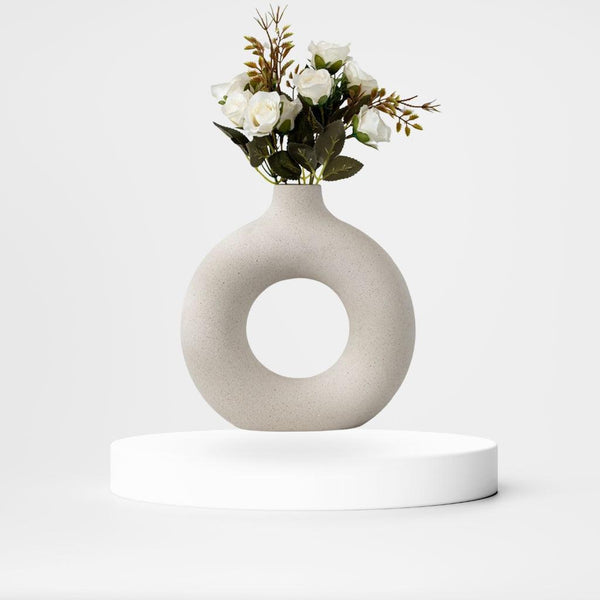
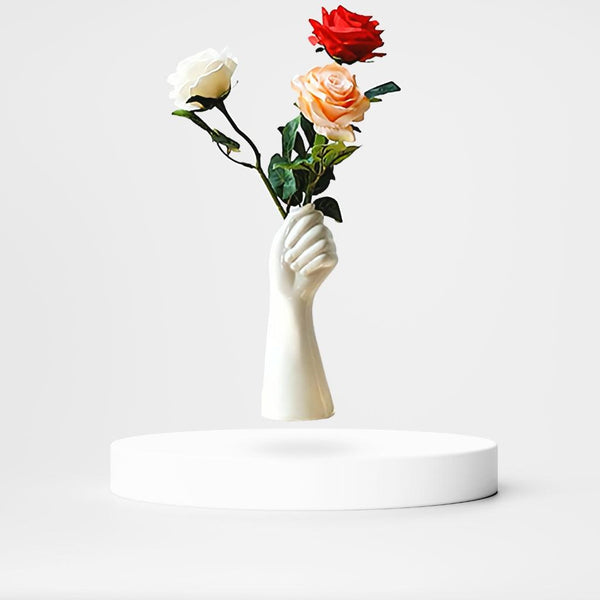
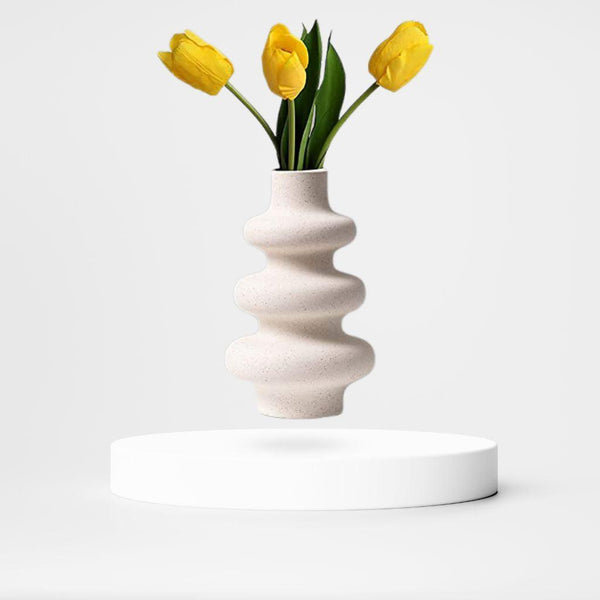
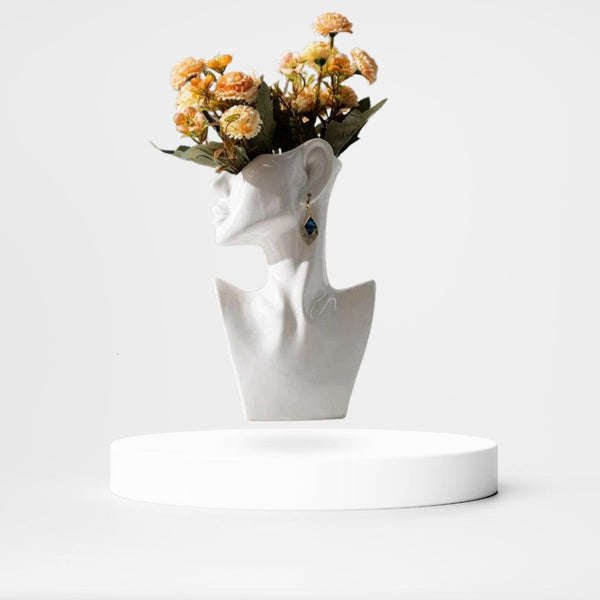
En réunissant par trois des objets décoratifs — vases, bougies ou livres, par exemple —, vous créez un équilibre sans monotonie. Le regard passe avec fluidité d’une pièce à l’autre, produisant un rythme subtil qui paraît soigneusement composé plutôt qu’encombré.
Les avantages des compositions en nombre impair pour l’harmonie visuelle
Une composition en nombre impair transforme instantanément un agencement ordinaire en point focal intentionnel. Contrairement aux dispositions en nombre pair, qui peuvent sembler figées ou trop formelles, les trios apportent énergie et relief. Cette technique fonctionne à toutes les échelles — d’une petite composition sur une table basse jusqu’à l’aménagement complet d’une pièce —, ce qui rend la règle de trois en décoration particulièrement polyvalente.
Voici comment elle transforme le « désordre » en composition soignée :
• Elle crée une fluidité naturelle qui guide le regard.
• Elle établit des points focaux équilibrés sans symétrie rigide.
• Elle renforce la profondeur et l’intérêt pour une harmonie visuelle durable.
Règle de trois ou nombres pairs
Comparée aux paires ou aux ensembles de quatre, la règle de trois en décoration produit un effet dynamique et organique. Sur un manteau de cheminée, par exemple, trois vases différents créent du mouvement et de l’intérêt, tandis que deux lampes identiques accentuent la symétrie mais peuvent sembler prévisibles. En définitive, une composition en nombre impair crée une harmonie visuelle vivante, alors que les nombres pairs tendent vers un résultat plus figé et formel.
Pour approfondir ces stratégies, consultez ce guide détaillé consacré à la maîtrise des compositions en nombre impair pour créer des espaces mémorables ;text-decoration: none; border-bottom: none;

Applications pratiques de la règle de trois en décoration dans les différentes pièces
L’application de la règle de trois en décoration commence sur les surfaces du quotidien. Sur une table basse ou d’appoint, essayez d’associer un grand vase, une pile de livres et une bougie ou une coupe décorative. La variation des hauteurs et des textures crée de la profondeur tout en préservant une composition en nombre impair intentionnelle. Sur une bibliothèque, réunissez trois livres, une petite plante et un vase pour obtenir un ensemble à la fois décontracté et raffiné. Les manteaux de cheminée et les entrées gagnent eux aussi à accueillir des trios : trois vases ou plantes de tailles différentes suffisent à instaurer une harmonie visuelle immédiate.
Sur les murs, disposez trois cadres en ligne ou selon un triangle discret pour éviter une symétrie trop rigide. Dans les grands espaces, vous pouvez passer à cinq ou sept éléments tout en conservant le même rythme équilibré. L’agencement du mobilier suit la même logique : un canapé accompagné de deux fauteuils, trois tabourets devant un îlot de cuisine, ou un lit encadré de deux tables de chevet créent une structure empreinte de douceur. La superposition de textiles — trois coussins de tailles dégressives assortis à un plaid, par exemple — apporte chaleur et relief sans encombrer.
L’éclairage parachève harmonieusement l’ensemble. Installez trois suspensions au-dessus d’une table à manger ou associez un lampadaire, une lampe à poser et un plafonnier pour créer un éclairage en plusieurs strates. Dans chaque pièce, une composition en nombre impair bien pensée transforme les objets fonctionnels en véritables partis pris décoratifs, ancrés dans une harmonie visuelle durable.

Appliquer la règle de trois aux couleurs pour une parfaite harmonie visuelle
L’un des usages les plus transformateurs de la règle de trois en décoration concerne les palettes de couleurs. La règle 60-30-10 peut considérablement améliorer l’atmosphère d’une pièce et créer une harmonie visuelle cohérente. Elle préconise de consacrer 60 % de la pièce à une couleur dominante, généralement appliquée aux murs et aux meubles les plus imposants. Une couleur secondaire doit représenter 30 %, notamment sur les tapis ou les rideaux, afin d’apporter de la profondeur. Les 10 % restants correspondent à une couleur d’accent, introduite par les coussins ou de petites œuvres d’art pour insuffler énergie et caractère à l’ensemble.
Conseils de pro pour réussir une composition en nombre impair
Pour maîtriser l’art des compositions en nombre impair, jouez sur les échelles et les proportions. Associez des objets de hauteurs et de formes différentes — haut, moyen et bas — afin de créer une impression d’équilibre. Une palette cohérente, qu’elle soit monochrome ou fondée sur des couleurs complémentaires, peut également renforcer l’harmonie visuelle. Commencez par de petits groupes intentionnels, puis laissez-les évoluer naturellement. L’association de la symétrie et de l’asymétrie, par exemple deux lampes identiques accompagnées de trois accessoires choisis avec soin, préserve le dynamisme de la décoration sans l’alourdir.

Guide de décision pour la règle de trois en décoration
Les points à évaluer avant de modifier la pièce
Pour appliquer la règle de trois, commencez par la contrainte la plus importante et par la personne qui utilise le plus souvent la pièce. Un choix effectué à proximité peut modifier la solution : confrontez donc votre projet aux idées d’agencement du mobilier pour gagner de la place dans un petit salon avant de considérer une mesure, une proportion ou une habitude décorative comme définitive. L’objectif n’est pas de reproduire parfaitement une formule, mais d’accorder la hiérarchie des points focaux, l’échelle et l’usage quotidien.
| Critère de décision | Points à vérifier | Pourquoi c’est important |
|---|---|---|
| Point focal principal | Déterminer ce que le regard doit percevoir en premier | Donne une direction au regard |
| Rythme secondaire | Répéter avec discernement une hauteur, une couleur, une forme ou un espacement | Assure la cohésion de la composition |
| Espace négatif | Ménager des zones de respiration autour des éléments importants | Améliore la lisibilité et l’équilibre |
Comment comparer deux options viables
Pour comparer deux applications de la règle de trois, réalisez une simulation grandeur nature de chaque option, photographiez-les depuis l’entrée et la principale position d’usage, puis relevez ce que chacune améliore ou compromet. Coordonnez les éléments alentour à l’aide de Maîtriser la règle de trois en décoration pour un équilibre visuel parfait ; cette comparaison révèle souvent si le problème apparent vient de la règle elle-même ou d’un choix voisin concernant la couleur, l’éclairage, le mobilier ou les rangements.
Une méthode pratique, étape par étape
Mesurer, simuler et observer
Lorsque vous testez la règle de trois, procédez par étapes réversibles et tenez compte des portes, tiroirs, interrupteurs, bouches d’aération et accès nécessaires au nettoyage. Si l’ajustement modifie l’agencement général, utilisez La règle des nombres impairs : pourquoi 3, 5 et 7 fonctionnent en décoration comme seconde référence de planification, plutôt que de traiter le point focal de manière isolée.
- Choisissez le principal point d’observation. Photographiez ou repérez le résultat avant toute nouvelle modification ; ce point de référence évitera qu’une succession de petits changements n’aboutisse à une refonte sans rapport avec le projet initial.
- Définissez un seul point focal principal. Effectuez la vérification depuis l’endroit où la pièce est réellement utilisée, puis notez les changements observés avant de passer à l’étape suivante.
- Placez les éléments secondaires selon leur poids visuel. N’effectuez qu’un ajustement maîtrisé à la fois afin de distinguer les décisions qui améliorent la fonction de celles qui ne modifient que l’apparence.
- Photographiez la composition depuis l’embrasure de la porte. Photographiez ou repérez le résultat avant toute nouvelle modification ; ce point de référence évitera qu’une succession de petits changements n’aboutisse à une refonte sans rapport avec le projet initial.
- Retirez ou déplacez l’élément le moins convaincant. Effectuez la vérification depuis l’endroit où la pièce est réellement utilisée, puis notez les changements observés avant de passer à l’étape suivante.
Vérifier le résultat à l’aide de recommandations faisant autorité
Dans le cadre de la règle de trois, un cheminement continu fonctionne mieux lorsque les portes, les changements de niveau du sol, le mobilier et les éléments saillants sont pris en compte ensemble dès le départ. Le guide de l’U.S. Access Board sur les cheminements accessibles fournit les recommandations correspondantes. Respectez les instructions des fabricants ainsi que toute exigence locale en matière de construction, d’électricité, de sécurité incendie ou d’accessibilité applicable à l’installation définitive.
Quand adapter la règle
Les impératifs fonctionnels passent avant tout
Adaptez la règle de trois lorsque la mobilité d’un utilisateur, le débattement d’une porte, un plafond bas, une vue fixe, une source de chaleur ou le dégagement nécessaire au fonctionnement d’un produit modifie les priorités. Confrontez l’exception à Équilibre et symétrie : créer un équilibre visuel et ne la conservez que si la pièce devient plus facile à utiliser sans créer de nouvel obstacle, de point d’éblouissement, d’objet instable ou de difficulté d’entretien.
Les exceptions visuelles et matérielles doivent rester justifiées
Une exception délibérée à la règle de trois peut mettre en valeur l’architecture, l’art, le savoir-faire artisanal ou un objet chargé de sens, mais elle doit rester lisible depuis les points de vue habituels. La direction et l’intensité de la lumière naturelle varient au fil de la journée : la couleur, l’éblouissement, les reflets et le contraste doivent donc être évalués dans la lumière réelle de la pièce. Consultez à ce sujet les recommandations du département de l’Énergie des États-Unis sur l’éclairage naturel, puis examinez le choix final dans les conditions ordinaires du foyer.
Les erreurs courantes à éviter
Avec la règle de trois, la plupart des erreurs surviennent lorsqu’une règle est optimisée sans tenir compte du reste de la pièce. Avant tout achat ou perçage, consultez Le principe des compositions en nombre impair : un équilibre dynamique pour revoir la strate décorative adjacente et vérifier que la modification envisagée sert toujours le projet d’ensemble.
Appliquer la règle comme un décompte rigide
Les règles de composition organisent les relations entre les éléments ; elles n’imposent pas le même nombre ou la même proportion d’objets sur chaque surface. Réexaminez ce point au regard de l’usage principal de la pièce avant d’arrêter votre application de la règle de trois.
Négliger la fonction derrière la composition
Même esthétique, un agencement échoue s’il bloque un passage, une activité, une assise ou une zone de rangement. Préservez d’abord l’usage, puis affinez le rythme visuel. Réexaminez ce point au regard de l’usage principal de la pièce avant d’arrêter votre application de la règle de trois.
Répéter sans introduire de variation
Une répétition exacte devient mécanique. Faites varier l’échelle, l’espacement ou l’orientation tout en conservant un lien reconnaissable. Réexaminez ce point au regard de l’usage principal de la pièce avant d’arrêter votre application de la règle de trois.
Questions fréquentes
Ces réponses portent sur la règle de trois en décoration. Pour élargir la comparaison à l’ensemble de la pièce, Des idées déco qui révèlent tout le potentiel d’un petit salon vous aidera à déterminer si la même décision doit être répétée, atténuée ou adaptée ailleurs.
La règle s’applique-t-elle depuis tous les points de vue ?
Privilégiez l’entrée et la principale position d’usage, puis assurez-vous que les vues secondaires ne révèlent aucun conflit majeur. N’appliquez cette réponse à la règle de trois qu’après avoir examiné la pièce, son utilisateur et le produit concernés.
Peut-on associer symétrie et asymétrie ?
Oui. Une architecture symétrique peut accueillir un groupe d’objets asymétrique, et inversement, à condition que les masses visuelles restent équilibrées. N’appliquez cette réponse à la règle de trois qu’après avoir examiné la pièce, son utilisateur et le produit concernés.
Comment reconnaître le poids visuel ?
Comparez la taille, l’obscurité, le contraste, la texture, l’isolement et la hauteur : un petit objet très contrasté peut peser davantage dans la composition qu’un grand élément discret. N’appliquez cette réponse à la règle de trois qu’après avoir examiné la pièce, son utilisateur et le produit concernés.
Quand faut-il ignorer la règle ?
Ignorez-la lorsque l’accessibilité, la sécurité, l’architecture ou un objet chargé de sens appelle une solution plus claire, puis rétablissez l’équilibre autour de cette priorité. N’appliquez cette réponse à la règle de trois qu’après avoir examiné la pièce, son utilisateur et le produit concernés.
Conclusion
La règle de trois en décoration reste une stratégie essentielle pour créer sans effort une harmonie visuelle dans la maison. En adoptant les compositions en nombre impair, vous apportez à vos espaces un équilibre dynamique et un intérêt naturel qui dépassent les agencements symétriques traditionnels. Ce guide vous donne les clés pour transformer toute surface, d’une table basse à un mur de cadres, en une composition visuelle soignée et séduisante. Découvrez dès aujourd’hui d’autres méthodes de mise en scène pour sublimer votre intérieur.
Misez sur le pouvoir du trois et commencez modestement en créant un nouveau trio sur votre table basse ou votre bibliothèque. Découvrez d’autres idées pour transformer votre intérieur comme un professionnel : l’harmonie visuelle commence à trois.