Por el equipo editorial de Homefy · Revisado y actualizado el 24 de julio de 2026
Método editorial: las recomendaciones prácticas se contrastaron con las dos fuentes autorizadas que se citan más adelante en su contexto. Las instrucciones de los productos y los requisitos locales aplicables prevalecen sobre las reglas decorativas.
Respuesta rápida: el minimalismo cálido y acogedor debe utilizarse como un punto de partida razonado, no como una fórmula inflexible. Conviene comenzar por la persona que más utiliza la estancia y sus condicionantes fijos, probar la idea a tamaño real y mantenerla solo si favorece un recorrido visual intencionado, un peso visual equilibrado y suficiente flexibilidad para el uso real del espacio.
Descubre el auge del minimalismo acogedor en 2025
El minimalismo acogedor es mucho más que una estética: propone una forma consciente de vivir que equilibra la sencillez con el alma. Con la llegada de 2025, esta tendencia de interiorismo cobra fuerza por su capacidad para combinar líneas depuradas y espacios despejados con un confort envolvente, creando hogares serenos y, al mismo tiempo, profundamente personales.
A diferencia del minimalismo tradicional, que en ocasiones puede resultar frío o impersonal, el minimalismo acogedor apuesta por la calidez emocional, la intención y una vida más pausada. Las texturas cálidas, como los tejidos superpuestos, los puntos suaves y las maderas naturales, aportan riqueza táctil, mientras que los tonos neutros, desde blancos cremosos hasta topos terrosos, proporcionan equilibrio y claridad visual.
Esta guía recorre los elementos esenciales del diseño minimalista acogedor: desde la creación de espacios serenos centrados en el bienestar hasta una decoración seleccionada con criterios sostenibles y emocionales. ¿Todo listo para transformar la casa? Estas son las ideas más inspiradoras de 2025 y los consejos respaldados por especialistas para conseguir, sin artificios, un ambiente minimalista y cálido.

Pilares del minimalismo acogedor en 2025
En 2025, el minimalismo acogedor redefine los interiores actuales al combinar una estética depurada con una reconfortante sensación de calidez. Este planteamiento abraza la sencillez sin renunciar al alma, con piezas cuidadosamente elegidas que crean un ambiente agradable. Sus principios esenciales son el confort, la calidez y una contención deliberada, claves para encontrar la armonía entre estilo y serenidad.
La tendencia gana impulso por su conexión con una forma de vida centrada en el bienestar. Cada vez se buscan más interiores que transmitan calma y reduzcan el estrés, por lo que su minimalismo amable y su capacidad de adaptación lo convierten en una opción idónea. Su auge también acompaña la evolución de nuestros hábitos, en los que disponer de espacios flexibles resulta esencial para un hogar equilibrado.
Entre sus elementos característicos destacan las abundantes texturas cálidas que estimulan los sentidos: mantas de lana, cojines de bouclé, lino rústico y madera recuperada. Estos detalles táctiles aportan carácter y calidez a ambientes por lo demás minimalistas. Las paletas se inclinan por tonos neutros, suaves y vinculados a la tierra, como blanco crema, arcilla, topo y gris.
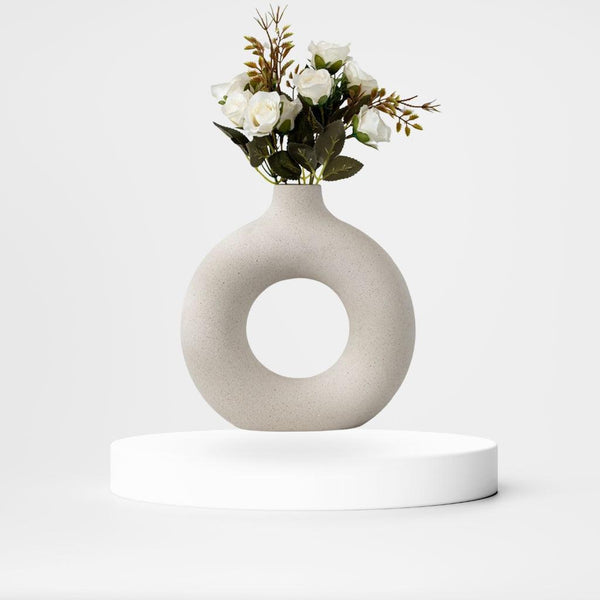
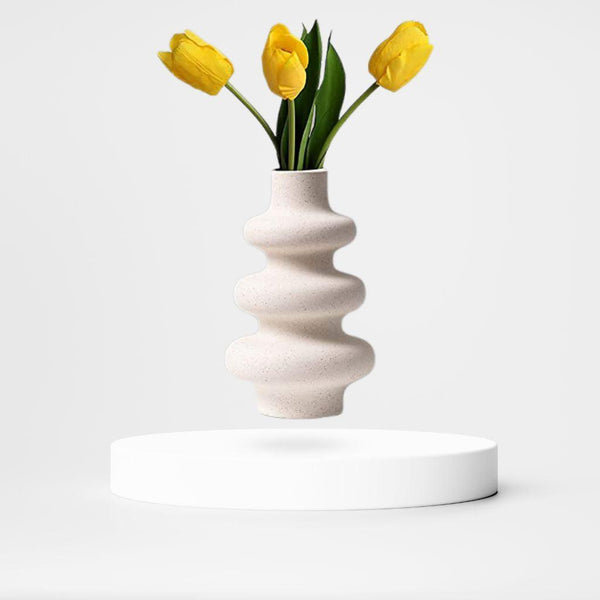
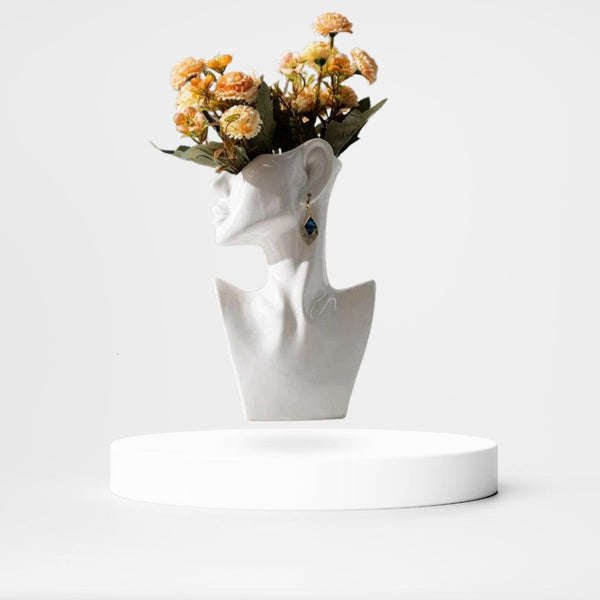
Las capas son esenciales en el minimalismo acogedor. Mantas suaves, alfombras con textura y cerámica artesanal se combinan para aportar profundidad y dar a las estancias un aspecto vivido sin recargar el espacio. Es un estilo que demuestra que lo minimalista también puede resultar profundamente personal y cálido.

Bienestar y naturaleza dentro de casa: el enfoque minimalista acogedor
En 2025, el minimalismo acogedor no trata solo de estética, sino de configurar una forma de vida que favorezca la serenidad y la atención plena. Este enfoque nace del deseo de crear interiores centrados en el bienestar, donde un rincón para meditar, una zona tranquila de lectura o un baño inspirado en un spa ofrezcan una pausa diaria frente al caos de la vida moderna. Estos refugios concebidos de manera consciente fomentan la calma, la reflexión y el equilibrio emocional.
El diseño inspirado en la naturaleza desempeña un papel central en la creación de estos espacios que ayudan a recuperar el equilibrio. Mediante materiales orgánicos como la piedra, la madera recuperada y la arcilla, los interiores minimalistas acogedores refuerzan nuestra conexión con la tierra. Estas texturas cálidas no solo resultan agradables al tacto y acogedoras, sino que también proporcionan una suavidad visual que serena la mente. Al combinarlas con paletas neutras inspiradas en el mundo natural, como topos cremosos y grises suaves, se obtiene un espacio cohesionado y emocionalmente reparador.
Incorporar vegetación de interior es otra forma sencilla pero eficaz de enriquecer un espacio minimalista. Las plantas purificadoras y fáciles de cuidar, como la sansevieria, el poto y la zamioculca, armonizan a la perfección con los tonos neutros y las líneas depuradas. Una colocación meditada —agrupadas en las esquinas o distribuidas a distintas alturas en estanterías abiertas— permite que realcen el diseño sin recargarlo. Por último, la iluminación debe entenderse como un elemento funcional y emocional. Las lámparas escultóricas y las luminarias esféricas de luz tenue proyectan una atmósfera cálida que mejora el estado de ánimo y respeta la filosofía minimalista de un diseño con propósito.

Minimalismo acogedor sostenible, personal y funcional
En el centro del minimalismo acogedor de 2025 se encuentra un compromiso creciente con una vida consciente, en la que sostenibilidad, funcionalidad y expresión personal se entrelazan con naturalidad. Diseñadores y propietarios apuestan hoy por materiales duraderos y respetuosos con el medioambiente, en consonancia con la filosofía minimalista de que menos es más. Incorporar fibras naturales y reducir los plásticos ya no son meras tendencias: reflejan un estilo de vida intencionado y orientado al confort a largo plazo. Para profundizar en cómo estas decisiones favorecen ambientes acogedores, consulta nuestra guía de materiales ecológicos para espacios minimalistas acogedores.
La planificación del espacio en los hogares minimalistas acogedores también busca la armonía. Ya se trate de una zona de lectura compacta o de un rincón flexible con varios usos, una distribución estructurada pero adaptable crea un entorno sereno y equilibrado. Cada zona debe favorecer la claridad mental y ofrecer un refugio tranquilo, combinando la apertura con áreas silenciosas y funcionalmente delimitadas.
Frente al minimalismo genérico, el espíritu de 2025 celebra la individualidad. Los detalles escogidos con mimo —cerámica artesanal, piezas vintage o recuerdos familiares— llenan de alma el espacio. Al combinarlos con texturas cálidas, como mantas tejidas a mano y linos de trama irregular en tonos neutros, se refuerza la calidez personal sin generar ruido visual. La clave está en diseñar un hogar que cuente una historia propia sin perder de vista los principios de sencillez y confort.

Guía de decisión para un minimalismo cálido y acogedor
Qué valorar antes de cambiar la estancia
Para plantear un minimalismo cálido y acogedor, conviene empezar por la limitación más importante y por la persona que utiliza la estancia con mayor frecuencia. Una decisión cercana puede cambiar la solución, así que compara el plan con Tendencias de decoración minimalista: calidez y funcionalidad antes de considerar definitiva una medida, proporción o costumbre decorativa. El objetivo no es reproducir una fórmula a la perfección, sino lograr que la jerarquía de los puntos focales, la escala y el uso diario estén en sintonía.
| Factor de decisión | Qué comprobar | Por qué es importante |
|---|---|---|
| Punto focal principal | Determinar qué debe captar primero la mirada | Orienta la mirada |
| Ritmo secundario | Repetir de forma selectiva la altura, el color, la forma o la separación | Da cohesión a la composición |
| Espacio negativo | Dejar zonas visualmente serenas alrededor de los elementos importantes | Mejora la claridad y el equilibrio |
Cómo comparar dos opciones viables
Al comparar dos propuestas de minimalismo cálido y acogedor, haz pruebas de ambas a tamaño real, fotografíalas desde la entrada y desde la principal posición de uso, y anota qué mejora o sacrifica cada versión. Coordina los elementos circundantes con Minimalismo acogedor: 30 grandes tendencias e ideas de decoración; esta comparación suele revelar si el problema aparente procede de la regla o de una decisión cercana sobre el color, la iluminación, los muebles o el almacenaje.
Un método práctico paso a paso
Medir, hacer pruebas y observar
Al probar el minimalismo cálido y acogedor, avanza por etapas reversibles e incluye en el ensayo las puertas, los cajones, los interruptores, las rejillas de ventilación y el acceso necesario para limpiar. Si el ajuste modifica la distribución general, utiliza Principales tendencias de interiorismo basadas en el diseño sensorial como segunda referencia de planificación, en lugar de resolver el elemento focal de forma aislada.
- Elige el principal punto de observación. Realiza un solo ajuste controlado cada vez para poder distinguir qué decisión mejora la funcionalidad y cuál únicamente modifica el aspecto.
- Define un único punto focal principal. Fotografía o marca el resultado antes de volver a modificarlo; disponer de una referencia evita que los pequeños cambios acaben convirtiéndose en un rediseño ajeno al planteamiento inicial.
- Coloca los elementos secundarios según su peso visual. Termina la comprobación desde el lugar donde realmente se utiliza la estancia y anota qué cambia antes de pasar al siguiente paso.
- Fotografía la composición desde la puerta. Realiza un solo ajuste controlado cada vez para poder distinguir qué decisión mejora la funcionalidad y cuál únicamente modifica el aspecto.
- Retira o desplaza el elemento más débil. Fotografía o marca el resultado antes de volver a modificarlo; disponer de una referencia evita que los pequeños cambios acaben convirtiéndose en un rediseño ajeno al planteamiento inicial.
Comprobar el resultado con directrices autorizadas
En el minimalismo cálido y acogedor, un recorrido continuo funciona mejor cuando las puertas, los cambios de pavimento, los muebles y los objetos salientes se tienen en cuenta conjuntamente desde el principio. La guía de itinerarios accesibles del U.S. Access Board ofrece las directrices de apoyo. Aplica las instrucciones de los productos y todos los requisitos locales de construcción, electricidad, protección contra incendios o accesibilidad que rijan la instalación definitiva.
Cuándo adaptar la regla
Las excepciones funcionales son prioritarias
Adapta el minimalismo cálido y acogedor cuando la movilidad de una persona, el giro de una puerta, un techo bajo, una vista fija, una fuente de calor o el espacio libre necesario para utilizar un producto alteren las prioridades. Compara la excepción con Tendencias en muebles curvos: confort y estilo y mantenla solo si facilita el uso de la estancia sin crear un nuevo obstáculo, un punto de deslumbramiento, un objeto inestable o un problema de mantenimiento.
Las excepciones visuales y materiales también deben estar justificadas
Una excepción deliberada al minimalismo cálido y acogedor puede destacar la arquitectura, el arte, la artesanía o un objeto con valor sentimental, pero debe percibirse con claridad desde los puntos de vista habituales. La dirección y la intensidad de la luz natural cambian a lo largo del día, por lo que el color, el deslumbramiento, los reflejos y el contraste deben revisarse con la luz real de la estancia. Consulta como referencia la guía sobre iluminación natural del Departamento de Energía de Estados Unidos y, después, examina la elección definitiva en las condiciones cotidianas del hogar.
Errores habituales que conviene evitar
En el minimalismo cálido y acogedor, la mayoría de los errores se producen cuando se optimiza una regla sin comprobar el resto de la estancia. Antes de comprar o perforar, consulta Ideas para decorar un salón minimalista, sereno y moderno con el fin de revisar los elementos de diseño cercanos y confirmar que el cambio propuesto sigue favoreciendo el plan general.
Aplicar la regla como un recuento rígido
Las reglas de composición organizan las relaciones; no exigen que todas las superficies contengan el mismo número de objetos ni idénticas proporciones. Valora esta cuestión en función del uso principal de la estancia antes de dar por definitivo el minimalismo cálido y acogedor.
Ignorar la función que sustenta la composición
Por bonito que sea, un conjunto falla si bloquea un recorrido, una actividad, un asiento o una zona de almacenaje. Protege primero el uso y afina después el ritmo visual. Valora esta cuestión en función del uso principal de la estancia antes de dar por definitivo el minimalismo cálido y acogedor.
Repetir sin introducir variaciones
La repetición exacta resulta mecánica. Varía la escala, la separación o la orientación, pero conserva una conexión reconocible. Valora esta cuestión en función del uso principal de la estancia antes de dar por definitivo el minimalismo cálido y acogedor.
Preguntas frecuentes
Estas respuestas se centran en el minimalismo cálido y acogedor. Para ampliar la comparación al conjunto de la estancia, Tendencias de decoración minimalista: calidez, sencillez y estilo puede ayudar a comprobar si conviene repetir, reducir o adaptar la misma decisión en otras zonas.
¿La regla se aplica desde todos los puntos de vista?
Da prioridad a la entrada y a la principal posición de uso; después, comprueba que las vistas secundarias no revelen ningún conflicto importante. Aplica esta respuesta al minimalismo cálido y acogedor únicamente después de revisar la estancia, la persona usuaria y el producto concretos.
¿Se pueden combinar simetría y asimetría?
Sí. Una arquitectura simétrica puede admitir una agrupación asimétrica de objetos, o viceversa, siempre que el peso visual se mantenga equilibrado. Aplica esta respuesta al minimalismo cálido y acogedor únicamente después de revisar la estancia, la persona usuaria y el producto concretos.
¿Cómo se identifica el peso visual?
Compara el tamaño, la oscuridad, el contraste, la textura, el aislamiento y la altura: un objeto pequeño con mucho contraste puede pesar visualmente más que otro de mayor tamaño y presencia discreta. Aplica esta respuesta al minimalismo cálido y acogedor únicamente después de revisar la estancia, la persona usuaria y el producto concretos.
¿Cuándo debe ignorarse la regla?
Ignórala cuando la accesibilidad, la seguridad, la arquitectura o un objeto con valor sentimental requieran una solución más clara; después, reconstruye el equilibrio en torno a esa prioridad. Aplica esta respuesta al minimalismo cálido y acogedor únicamente después de revisar la estancia, la persona usuaria y el producto concretos.
Conclusión
Al adentrarnos en 2025, abrazar el minimalismo acogedor significa mucho más que seguir una tendencia decorativa: consiste en crear espacios que cuiden el bienestar y reflejen la esencia personal. Desde las paletas relajantes hasta los detalles táctiles, esta filosofía de diseño combina con naturalidad la sencillez contemporánea y el encanto de un hogar vivido. Al superponer texturas cálidas como lana, arcilla y tejidos orgánicos, junto con decisiones de diseño meditadas, se consiguen interiores sumamente acogedores, sofisticados y conectados con la tierra.
Para empezar, apuesta por tonos neutros atemporales, como topos suaves, cremas y grises terrosos: son colores versátiles que refuerzan la sensación de calma. Incorpora después elementos escogidos con criterio, como alfombras con textura, mantas de gran formato y cerámica artesanal. Si buscas inspiración para crear paletas que transmitan esta atmósfera, descubre nuestra propuesta de decoración minimalista acogedora con paletas de neutros cálidos.
Tanto si se renueva un único rincón como toda la casa, conviene recordar el objetivo: equilibrar funcionalidad, confort, personalidad y sostenibilidad. Deja que el espacio cuente tu historia. Y, cuando quieras profundizar en paletas inspiradas en la naturaleza, distribuciones orientadas al bienestar o detalles de origen sostenible, explora nuestra creciente colección de cuidadas guías de interiorismo pensadas para la vida actual.