Por el equipo editorial de Homefy · Revisado y actualizado el 24 de julio de 2026
Método editorial: las recomendaciones prácticas se contrastaron con las dos fuentes autorizadas citadas más adelante en su contexto. Las instrucciones de los productos y los requisitos locales aplicables prevalecen sobre las reglas decorativas.
Respuesta rápida: Utiliza las tendencias del minimalismo acogedor como un punto de partida ponderado, no como una fórmula inflexible. Empieza por la persona que más utiliza la estancia y sus condicionantes fijos, prueba la idea a escala real y consérvala solo si favorece un recorrido focal deliberado, un peso visual equilibrado y suficiente flexibilidad para el uso real del espacio.
Descubre el auge del minimalismo acogedor en el diseño de interiores de 2025
En 2025, el mundo del interiorismo entra en una nueva etapa renovadora que apuesta por el confort, la claridad y una forma de vida más consciente. En el centro de esta transformación se encuentra el auge del minimalismo acogedor, un estilo que fusiona con elegancia las líneas depuradas del minimalismo moderno y la calidez de los espacios vividos. Esta estética en evolución concede la misma importancia al bienestar, la sostenibilidad y la expresión personal, y da lugar a hogares serenos y profundamente conectados.
En este nuevo paradigma, los espacios serenos no carecen de alma: incorporan elementos táctiles como textiles mullidos, atractivas paletas superpuestas y objetos decorativos de origen responsable que reflejan la individualidad. Igual de importante es la manera en que la vivienda responde a nuestras necesidades, con distribuciones acogedoras y adaptables que promueven la armonía y la flexibilidad. Ante la búsqueda de refugios estéticos concebidos con atención, la integración de materiales naturales, piezas artesanales y un diseño orientado al bienestar está redefiniendo cada rincón del hogar contemporáneo.

Diseño sostenible e integrado con la naturaleza
A medida que avanza 2025, el diseño del hogar sigue evolucionando hacia una relación más profunda con la naturaleza y una mayor conciencia ambiental. Una de las señas de identidad de este movimiento es la incorporación de vegetación y luz natural mediante el diseño biofílico. Desde frondosos jardines verticales e impactantes composiciones vegetales hasta grandes árboles en maceta y cuidados jardines interiores, la naturaleza ha pasado al primer plano de las tendencias de interiorismo.
En consonancia con el auge del minimalismo acogedor, los profesionales recurren a materiales sostenibles y reciclados que, además de respetar el medioambiente, aportan calidez estética. Veremos más bambú, madera recuperada, suelos de corcho y objetos decorativos de origen responsable que ponen en valor la artesanía y el patrimonio regional. Estos elementos aportan personalidad a la estética minimalista y reducen al mismo tiempo el impacto ambiental.
La paleta cromática vira hacia tonos inspirados en la tierra, como el verde salvia, el terracota y los azules oceánicos, que crean ambientes tranquilos y con arraigo. Se complementan a la perfección con la creciente preferencia por las maderas oscuras y las piedras naturales, como el mármol y la caliza, capaces de aportar profundidad y sofisticación a cocinas, baños y zonas comunes.
Al combinar estas texturas y acabados naturales, la tendencia armoniza sostenibilidad y confort suntuoso, y crea la base perfecta para añadir elementos por capas, como los textiles mullidos y las distribuciones acogedoras que se abordan en el siguiente apartado.

Confort por capas, texturas y bienestar
Este año, el minimalismo acogedor celebra con serenidad el placer táctil y la riqueza visual. Se recurre a texturas superpuestas y materiales mullidos para crear refugios tan elegantes como reconfortantes. El bouclé, la chenilla y el terciopelo ofrecen superficies suaves y agradables al tacto que aportan profundidad serena y un carácter acogedor a las zonas de estar. Este énfasis en la experiencia táctil dota incluso a los diseños minimalistas de calidez visual y del encanto propio de un espacio vivido.
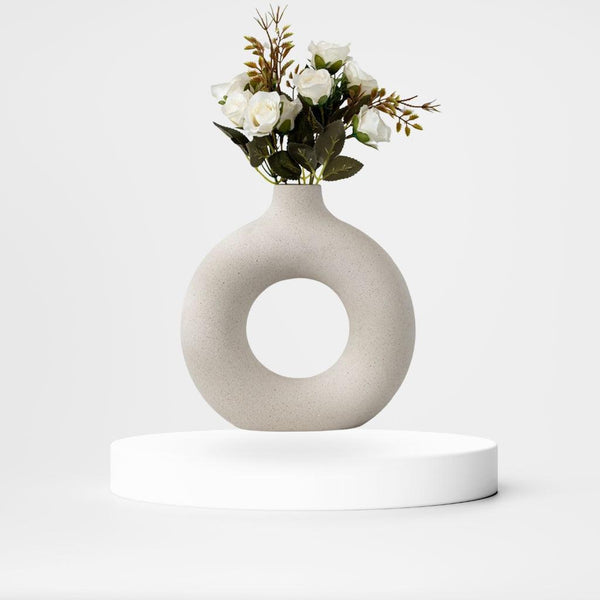
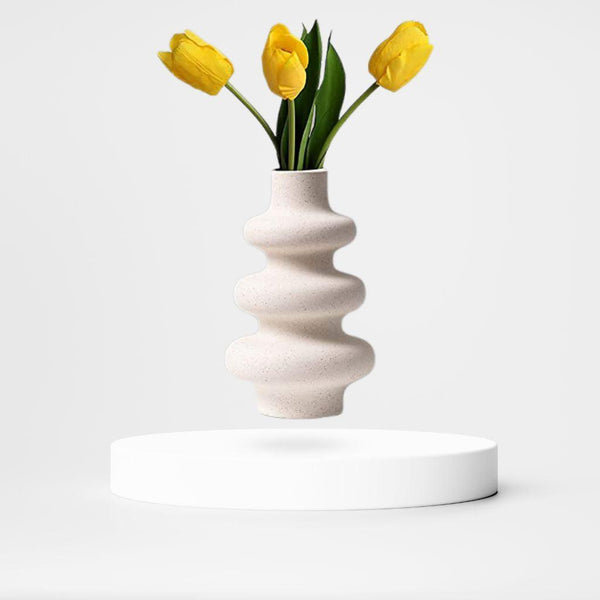
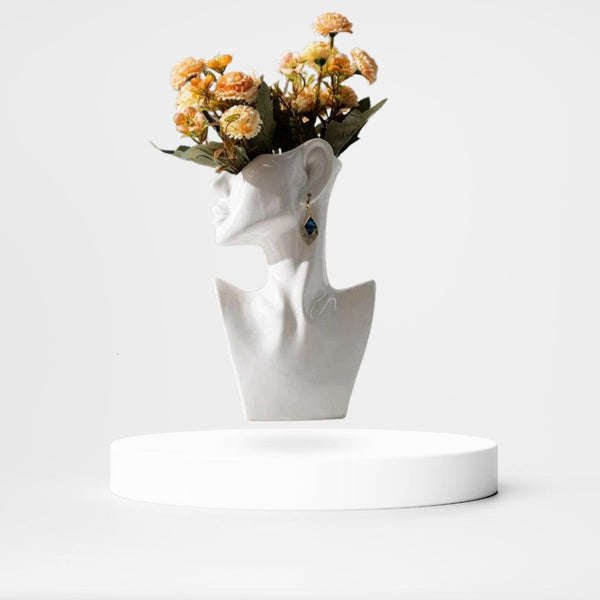
Las capas de textiles mullidos —desde cojines extragrandes y mantas hasta cómodos sofás de asiento profundo— están redefiniendo la tapicería centrada en el confort. Los tonos neutros como el crema, el topo y el gris cálido dominan como colores de base, mientras que los acentos intensos aportan personalidad mediante obras de arte llamativas, cerámica u objetos decorativos de formas singulares. Para profundizar en la combinación de calidez y sencillez, consulta nuestra guía sobre las tendencias de decoración minimalista de 2025.
También triunfan las siluetas redondeadas, con sofás y mesas de curvas suaves que aportan fluidez y delicadeza a los interiores. El maximalismo equilibrado desempeña asimismo un papel esencial: combina estampados atrevidos en los azulejos, paletas cromáticas intensas y hallazgos vintage con una elegante contención. Mientras se busca una calidez personalizada que conviva con una estética depurada, la fusión del atractivo táctil, los detalles artísticos y las distribuciones acogedoras define el espíritu cambiante del interiorismo actual.

Distribuciones inteligentes, expresión personal y tecnología bien integrada
De cara a 2025, el minimalismo acogedor trasciende la estética para adentrarse en la funcionalidad, con distribuciones acogedoras capaces de adaptarse a los estilos de vida modernos. Las zonas multifuncionales delimitadas mediante arcos, estanterías abiertas o tabiques correderos transforman los espacios diáfanos en distribuciones parcialmente compartimentadas, que combinan amplitud visual y separación práctica.
El bienestar personal ocupa un lugar central: cada vez más hogares priorizan los rincones de meditación, las zonas de ejercicio y los espacios concebidos para descansar y recuperar energías. A su vez, la tecnología inteligente integrada aporta comodidad sin generar ruido visual: los sistemas de iluminación discretos, los controles por voz y el cableado oculto preservan la serenidad de los espacios diseñados con intención.
La estética continúa bebiendo del diseño Japandi, aunque evoluciona hacia una vertiente más rica y personal. Para descubrir con mayor detalle cómo los neutros cálidos y los textiles mullidos realzan este estilo, consulta nuestra guía sobre decoración minimalista acogedora con paletas de neutros cálidos.
Desde la iluminación escultórica hasta las paredes decoradas con piezas seleccionadas y las combinaciones de mobiliario vintage y moderno, esta es la era del diseño con personalidad. Cada rincón cuenta una historia y hace que el hogar no solo resulte cómodo, sino inconfundiblemente propio.

Guía para decidir cómo aplicar el minimalismo acogedor
Qué valorar antes de cambiar la estancia
Para aplicar las tendencias del minimalismo acogedor, hay que empezar por la mayor limitación y por la persona que utiliza la estancia con más frecuencia. Una decisión cercana puede alterar la respuesta, por lo que conviene comparar el plan con Minimalismo acogedor: guía de texturas cálidas y tonos neutros antes de considerar definitiva una medida, proporción o costumbre decorativa. El objetivo no es reproducir una fórmula a la perfección, sino armonizar la jerarquía focal, la escala y el uso cotidiano.
| Factor de decisión | Qué comprobar | Por qué es importante |
|---|---|---|
| Punto focal principal | Determina qué debe percibir primero la mirada | Orienta la mirada |
| Ritmo secundario | Repite de forma selectiva una altura, un color, una forma o un espaciado | Da cohesión a la composición |
| Espacio negativo | Deja zonas de respiro alrededor de los elementos importantes | Mejora la claridad y el equilibrio |
Cómo comparar dos opciones viables
Al comparar dos propuestas de minimalismo acogedor, haz una prueba de ambas a tamaño real, fotografíalas desde la entrada y desde la principal posición de uso, y anota qué mejora o compromete cada versión. Coordina los elementos circundantes con ayuda de Diseño escandinavo moderno para el hogar: tendencias y consejos; esta comparación suele revelar si el aparente problema se debe a la regla o a una decisión cercana sobre el color, la iluminación, el mobiliario o el almacenaje.
Un método práctico paso a paso
Medir, hacer pruebas y observar
Al probar las tendencias del minimalismo acogedor, avanza mediante pasos reversibles e incluye en el ensayo las puertas, los cajones, los interruptores, las rejillas de ventilación y el acceso para la limpieza. Si el ajuste modifica la distribución general, utiliza Ideas de decoración para un salón minimalista, moderno y sereno como segunda referencia de planificación, en lugar de resolver el elemento focal de forma aislada.
- Elige el principal punto de observación. Realiza un solo ajuste controlado cada vez para distinguir qué decisión mejora la funcionalidad y cuál únicamente cambia la apariencia.
- Define un punto focal principal. Fotografía o marca el resultado antes de volver a modificarlo; contar con una referencia evita que una sucesión de pequeños cambios termine convirtiéndose en un rediseño ajeno al planteamiento inicial.
- Coloca los elementos secundarios según su peso visual. Haz la comprobación desde el lugar donde realmente se utiliza la estancia y registra los cambios antes de pasar al siguiente paso.
- Fotografía la composición desde la puerta. Realiza un solo ajuste controlado cada vez para distinguir qué decisión mejora la funcionalidad y cuál únicamente cambia la apariencia.
- Retira o mueve el elemento más débil. Fotografía o marca el resultado antes de volver a modificarlo; contar con una referencia evita que una sucesión de pequeños cambios termine convirtiéndose en un rediseño ajeno al planteamiento inicial.
Comprobar el resultado con directrices autorizadas
En un interior de minimalismo acogedor, un itinerario continuo funciona mejor cuando las puertas, los cambios de pavimento, el mobiliario y los objetos salientes se consideran en conjunto desde el principio. La guía de itinerarios accesibles del U.S. Access Board ofrece las directrices correspondientes. Aplica las instrucciones de los productos y todos los requisitos locales de construcción, electricidad, protección contra incendios o accesibilidad que regulen la instalación definitiva.
Cuándo adaptar la regla
Las excepciones funcionales son prioritarias
Adapta las tendencias del minimalismo acogedor cuando la movilidad de una persona, el recorrido de apertura de una puerta, un techo bajo, una vista fija, una fuente de calor o el espacio libre necesario para utilizar un producto cambien las prioridades. Compara la excepción con Tendencias de decoración minimalista: una vida cálida y con propósito y consérvala solo si facilita el uso de la estancia sin crear un nuevo obstáculo, un punto de deslumbramiento, un objeto inestable o un problema de mantenimiento.
Las excepciones visuales y materiales también deben estar justificadas
Una excepción deliberada a las tendencias del minimalismo acogedor puede realzar la arquitectura, el arte, la artesanía o un objeto de valor emocional, pero debe seguir siendo comprensible desde los puntos de vista habituales. La dirección y la intensidad de la luz natural cambian a lo largo del día, por lo que el color, el deslumbramiento, los reflejos y el contraste deben evaluarse con la luz real de la estancia. Consulta las directrices sobre iluminación natural del Departamento de Energía de Estados Unidos como referencia y, después, revisa la decisión final en las condiciones cotidianas del hogar.
Errores frecuentes que conviene evitar
Con las tendencias del minimalismo acogedor, la mayoría de los errores surgen al optimizar una regla sin comprobar el resto de la estancia. Antes de comprar o taladrar, utiliza Tendencias de diseño para hogares inteligentes: bienestar, tecnología y estilo para revisar la capa de diseño contigua y confirmar que el cambio propuesto sigue respaldando el planteamiento general.
Aplicar la regla como un recuento rígido
Las reglas de composición organizan las relaciones; no exigen que todas las superficies contengan el mismo número o la misma proporción de objetos. Revisa este aspecto de acuerdo con el uso principal de la estancia antes de cerrar la propuesta de minimalismo acogedor.
Ignorar la función que sustenta la composición
Una composición bonita fracasa si bloquea una zona de paso, una tarea, un asiento o un espacio de almacenaje. Protege primero el uso y afina después el ritmo visual. Revisa este aspecto de acuerdo con el uso principal de la estancia antes de cerrar la propuesta de minimalismo acogedor.
Repetir sin introducir variaciones
La repetición exacta resulta mecánica. Varía la escala, el espaciado o la orientación, pero conserva una conexión reconocible. Revisa este aspecto de acuerdo con el uso principal de la estancia antes de cerrar la propuesta de minimalismo acogedor.
Preguntas frecuentes
Estas respuestas se centran en las tendencias del minimalismo acogedor. Para ampliar la comparación al conjunto de la estancia, Japandi: el diseño minimalista se une a una forma de vida natural puede ayudar a comprobar si conviene repetir, reducir o adaptar la misma decisión en otras zonas.
¿La regla se aplica desde todos los puntos de vista?
Da prioridad a la entrada y a la principal posición de uso; después, comprueba que las vistas secundarias no revelen ningún conflicto importante. Aplica esta respuesta a las tendencias del minimalismo acogedor solo después de comprobar la estancia, la persona usuaria y el producto reales.
¿Se pueden combinar simetría y asimetría?
Sí. Una arquitectura simétrica puede admitir un grupo de objetos asimétrico, o viceversa, siempre que el peso visual se mantenga equilibrado. Aplica esta respuesta a las tendencias del minimalismo acogedor solo después de comprobar la estancia, la persona usuaria y el producto reales.
¿Cómo se identifica el peso visual?
Compara el tamaño, la oscuridad, el contraste, la textura, el aislamiento y la altura; un objeto pequeño con mucho contraste puede pesar más visualmente que otro grande y discreto. Aplica esta respuesta a las tendencias del minimalismo acogedor solo después de comprobar la estancia, la persona usuaria y el producto reales.
¿Cuándo conviene ignorar la regla?
Ignórala cuando la accesibilidad, la seguridad, la arquitectura o un objeto significativo requieran una solución más clara y, después, reconstruye el equilibrio en torno a esa prioridad. Aplica esta respuesta a las tendencias del minimalismo acogedor solo después de comprobar la estancia, la persona usuaria y el producto reales.
Conclusión
El panorama del diseño de interiores de 2025 adopta una meditada combinación de creatividad, sostenibilidad y confort, articulada en torno al poder transformador del minimalismo acogedor. Esta tendencia destacada fusiona con sutileza calidez y sencillez, y anima a crear entornos serenos que reflejen tanto los valores y el estilo de vida como las historias personales de sus habitantes.
Al incorporar textiles mullidos, tonos tierra y materiales orgánicos, los interiores actuales logran una elegancia táctil y arraigada. Ya sea mediante vegetación dispuesta con intención artística, detalles vintage o distribuciones acogedoras que se adaptan a una vida polivalente, el objetivo sigue siendo crear espacios íntimos y funcionales. Las capas y texturas cuidadosamente elegidas permiten convertir la vivienda en un refugio de bienestar y autenticidad.
Al trasladar estos principios de diseño de 2025 al hogar, deja que inspiren las decisiones, pero no que las definan. Combina las ideas más actuales con un estilo personal para crear ambientes que no solo estén de moda, sino que también sean duraderos y estén llenos de alma. El minimalismo acogedor recuerda que la belleza surge allí donde el confort se encuentra con un diseño intencionado.