The best coffee table decor ideas make a small table look intentional while leaving it useful. On a compact surface, every object affects how easily you can set down a drink, reach the sofa, or see across the room. A modest arrangement often has more impact than a crowded collection because the table itself remains part of the composition.
Start with measurements rather than accessories. Then account for the room’s sightlines, natural and artificial light, daily routines, and safety needs. The following approach works with round, square, rectangular, and nesting tables without relying on a rigid decorating formula.

Measure the Table and Its Working Space
Measure the tabletop’s length and width, or its diameter if it is round. Also note the usable area between raised rims, hinges, or lift-top seams. As a practical starting point rather than a fixed design rule, reserve roughly half of a very small tabletop as open space. Test that allowance with the objects you actually use: a mug, two glasses, a remote, or a laptop.
Check the table in relation to the sofa. You should be able to reach it comfortably without squeezing through the gap or knocking into decor when sitting down. Walk around every exposed side and look for corners, handles, or accessories that project into the route. Styling cannot correct a table that is already too large for its circulation space.
Interest in coffee table styling includes both appearance and functional use, while discussions about small rooms frequently center on the tension between decor and practicality. That context supports treating empty surface area as part of the design, not as an unfinished section. California State University
Test the Arrangement Before Buying
Cut paper templates matching the footprint of a tray, book stack, or vase and place them on the table. Sit in each usual seat and confirm that the proposed objects do not block the television, another person, or the room’s main focal point. For broader affordable styling decisions beyond the tabletop, 11 Best Budget Friendly Home Decor Living Room Ideas offers additional living-room ideas.
| Table condition | Check | Practical response |
|---|---|---|
| Very narrow top | Can a mug sit securely beside the decor? | Use one slim stack or a single shallow tray |
| Round top | Does the arrangement follow the center without filling it? | Choose one compact grouping with varied heights |
| Lift-top table | Can the mechanism open safely? | Keep decor light, contained, and clear of seams |
| Nesting tables | Can the smaller table still slide out? | Decorate only one surface or use easily moved objects |
Build a Restrained Arrangement
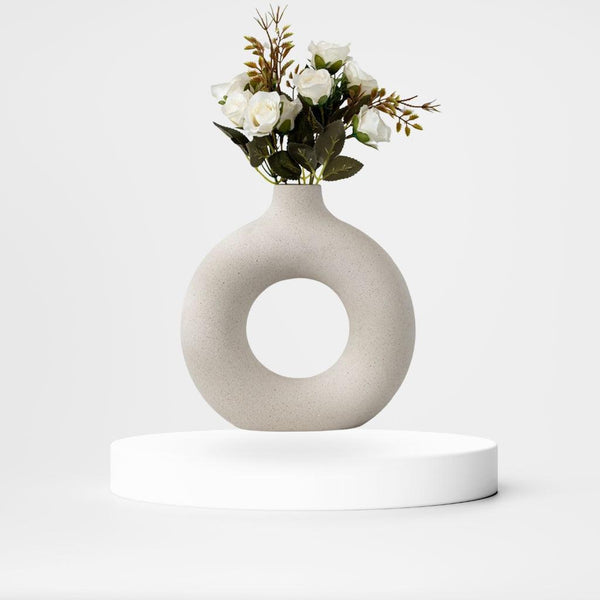
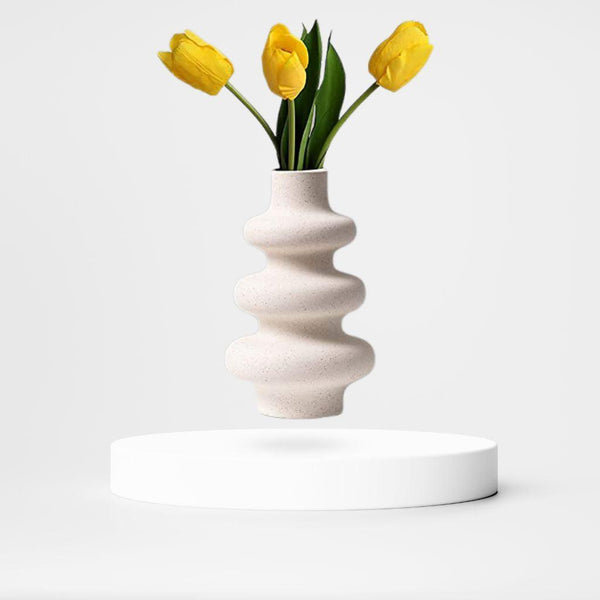
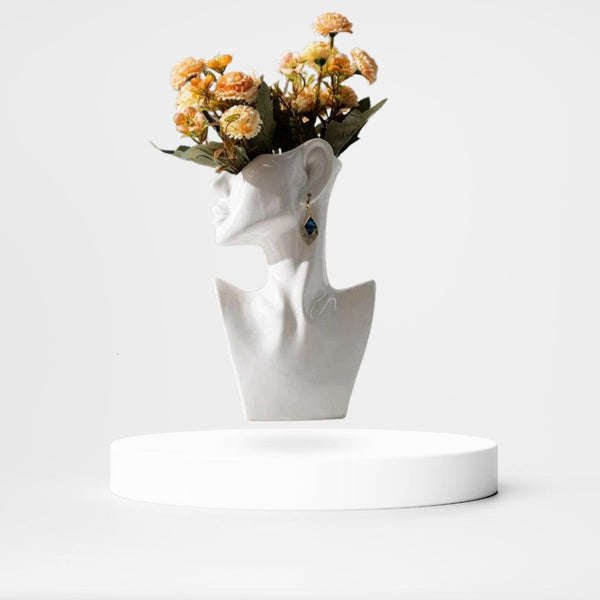
Choose one visual anchor, such as a shallow tray, a short stack of books, or a low ceramic bowl. Add no more than one or two supporting objects at first. Contrast their forms—a rectangular book beneath a rounded vessel, for example—while repeating one color or material already present in the room. This produces variety without making a small surface feel fragmented.
Keep the tallest object below important sightlines. Sit on the sofa and check whether it obscures a screen, fireplace, window view, or conversation partner. A low asymmetrical cluster usually leaves more usable space than several objects distributed evenly across the entire top.
Search-oriented home decor research groups broad style terms with more specific product, room, and aesthetic phrases. That variety is a useful reminder that a coherent table does not need to display every trend at once; choose one clear direction and edit against it. U.S. Department of Energy
Use a Tray Only When It Helps
A tray is useful when it gathers remotes, coasters, and a small decorative object into one movable unit. It is less helpful when the tray nearly fills the table or becomes another layer of clutter. For a calmer whole-room approach, adapt the editing principles in Minimalist Living Room Decor Ideas for a Modern, Serene Home.

Adjust the Decor to the Available Light
Examine the table in daylight and after dark. Direct sun can produce distracting reflections on glass, chrome, glossy books, and polished stone. In a bright room, matte ceramics, woven textures, and softly finished wood tend to read clearly without adding glare. Move delicate or light-sensitive possessions away from prolonged direct sun according to their care instructions.
At night, illuminate the table indirectly with a nearby shaded floor lamp, wall light, or table lamp positioned on a stable side surface. A low coffee table is generally a poor location for a corded lamp because a trailing cable can cross a walking route. If you want to coordinate portable lighting elsewhere in the room, use the room checks in Table Lamp Decor Ideas: A Practical Room-by-Room Guide.
Avoid depending on decorative candles as the table’s main light source. If an open flame is used at all, follow the candle maker’s warnings, maintain clear space around it, and never leave it unattended. Flameless alternatives may be more appropriate in homes with children, pets, tight circulation, or easily disturbed textiles.
Check Reflections from Seated Height
Turn on each evening light and sit where you normally relax. If a glass tray or metallic object reflects a bare bulb into your eyes, rotate it, replace it with a matte finish, or move the light source. Judge the result from the sofa rather than only while standing over the table.

Adapt Coffee Table Decor Ideas to the Room
In a small formal living room, a book stack and one sculptural object can create a composed focal point. In a family room, prioritize washable coasters, a lidded box, and a handled tray that can move in one trip. A studio apartment may need the table for dining or work, making one removable arrangement more practical than permanent styling.
Match the arrangement to nearby visual weight. A patterned rug, colorful sofa, or full gallery wall usually calls for quieter tabletop decor. In a sparse room, one stronger texture or shape can supply focus. Budget-conscious accessories work best when they repeat an existing room color instead of introducing an unrelated theme; Budget Friendly Home Decor Living Room Ideas That Wow explores this whole-room strategy.
Coastal rooms benefit from pale ceramics, weathered-looking wood, woven fibers, or a restrained blue accent, but avoid turning the table into a collection of themed souvenirs. For a more considered version of that palette, see Coastal Home Decor Ideas Living Room: Stylish Beach Vibes.
Coordinate Adjacent Surfaces
Do not repeat the same cluster on every table. If the coffee table holds books and ceramics, let a side table carry the functional lighting and little else. Changing the height and purpose of each surface keeps a compact room from feeling overdecorated.

Choose Safe, Practical Objects
Favor stable objects with bases proportionate to their height. Place breakable, sharp, or heavy pieces away from the edge and outside the reach of young children or active pets. A heavy object is not automatically safe: if it can tip, pinch fingers, scratch the surface, or injure someone when moved, it does not belong in a busy tabletop zone.
Use felt pads or another surface-appropriate protector beneath abrasive materials, and confirm that finishes are suitable for the table manufacturer’s care guidance. Keep drinks on stable coasters and avoid vessels that sweat onto books or unfinished wood. Any plant should have a sound saucer, but a convincing artificial stem may be safer where spills or low light make a live plant impractical.
For multipurpose rooms, choose decor that can be lifted with one hand without loose pieces sliding off. Small-space principles are transferable across rooms; Home Decor Ideas for Small Spaces Bedroom: Stylish & Smart Tips provides further ideas for combining useful storage with visual breathing room.
Run a Gentle Stability Check
Without forcing the furniture, lightly test whether normal contact with the table makes an object wobble or migrate. Check the result on rugs as well as hard flooring, since an uneven table can destabilize an otherwise sensible arrangement. Reposition or remove anything that does not remain secure.
 ll, fragile objects away from the edge improves sightlines, stability, and everyday access.
Refresh the Table Without Starting Over
Keep the main anchor and change only one supporting detail when the season or room palette shifts. A different book jacket, small textile element, or locally meaningful object can update the arrangement without creating a storage cycle of disposable decorations. Personal objects feel deliberate when they have space around them and relate to another color or material nearby.
Photograph the table from the doorway and from the sofa. A photo often makes scattered items or awkward height changes easier to notice. Remove one object, compare again, and keep the simpler version if the table looks calmer while remaining useful.
If the broader living room still feels unfinished, address larger elements—lighting, curtains, rug placement, or art—before buying more tabletop accessories. The inexpensive room updates in 11 Best Budget Friendly Home Decor Living Room Ideas can help prioritize changes, but use that guide as inspiration rather than a reason to add objects without a clear function.
Create a Small Editing Box
Store a limited number of alternate pieces in one labeled box rather than keeping every option on display. When the box is full, edit it before adding anything new. This physical boundary makes seasonal changes easier to manage in a small home.
Common mistakes
Covering the Whole Surface
Decor spread from edge to edge leaves nowhere for daily use and makes each item harder to appreciate. Consolidate the arrangement into one zone and restore a clear landing area for drinks, remotes, or a book.
Using Only Small Objects
Many tiny accessories can look busier than one appropriately scaled anchor. Replace scattered pieces with a compact book stack, tray, or low vessel, then add a single contrasting detail.
Ignoring Seated Sightlines
An arrangement that looks balanced from above may block conversation or the television from the sofa. Check every regular seat and lower, move, or remove the obstruction.
Placing Fragile Items Near Edges
A narrow perimeter gives hands, clothing, children, and pets little margin for error. Keep fragile or unstable objects well inside the tabletop and select sturdier decor for high-traffic rooms.
Frequently asked questions
How many items should go on a small coffee table?
Begin with one anchor and one or two supporting objects, then stop if the table already feels balanced. The useful limit depends on object size, table shape, and how often the surface is used, so open space is a better guide than a fixed item count.
How do you decorate a small round coffee table?
Use one compact grouping that relates to the table’s center. Combine a low round or curved object with one slightly taller element, but avoid placing identical items around the circumference. Leave enough clear edge space to set down a drink securely.
Should you use a tray on a small coffee table?
Use a tray when it contains practical items and makes them easier to move. Skip it if its footprint dominates the surface, interferes with a lift-top mechanism, or merely adds another decorative layer.
How can a small coffee table look more refined on a budget?
Edit the arrangement, repeat materials already used in the room, and vary shape rather than buying a matching accessory set. Clean books, a stable secondhand vessel, and well-positioned light can look more considered than numerous trend-led purchases.
Can you put a plant on a small coffee table?
Yes, if the plant suits the available light and sits in a stable container with reliable moisture protection. Keep it below important sightlines and away from busy edges. In a dim or frequently used room, a non-plant object may be more practical.
How do you style a lift-top coffee table?
Keep the arrangement lightweight, compact, and clear of hinges, seams, and moving panels. A shallow handled tray can work if it can be removed before opening the top. Always follow the furniture maker’s operating and load guidance.
Conclusion
Successful coffee table decor ideas begin with the table’s real job. Measure the surface, protect circulation and sightlines, use light to reveal texture, and keep safety ahead of styling. One stable, meaningful grouping with generous open space will usually serve a small room better than a tabletop filled with accessories.