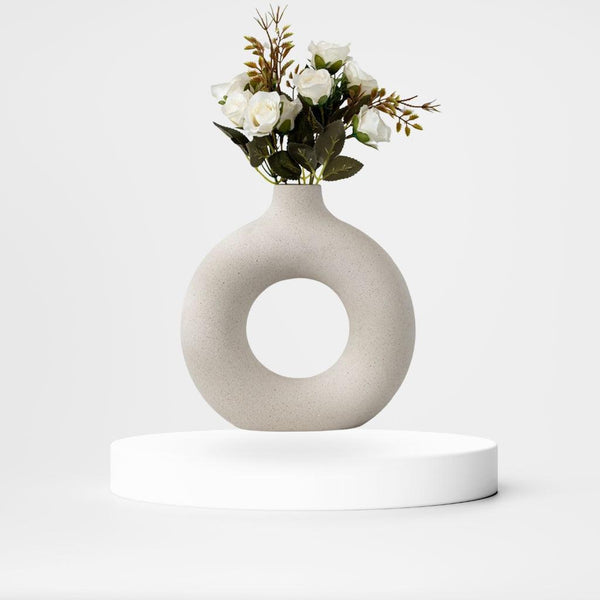
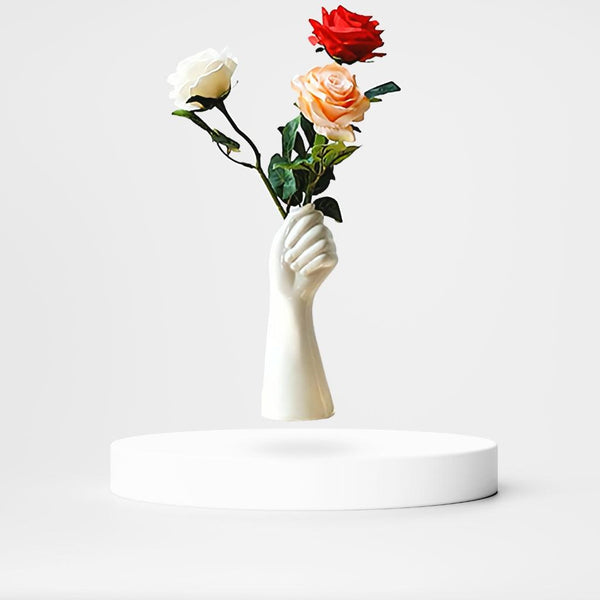
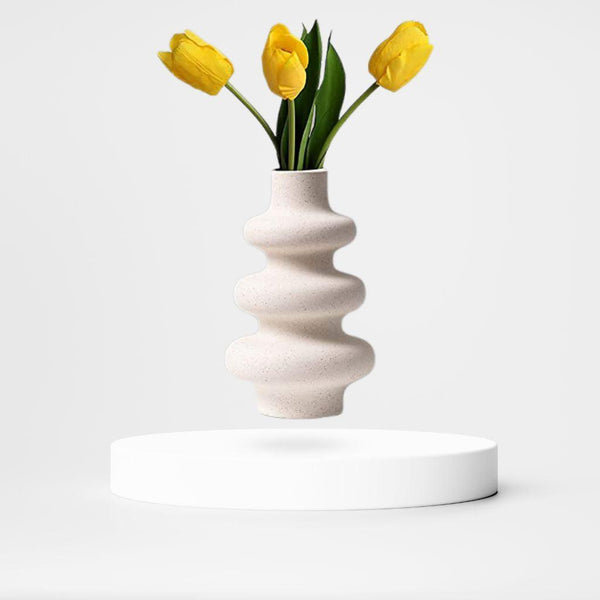
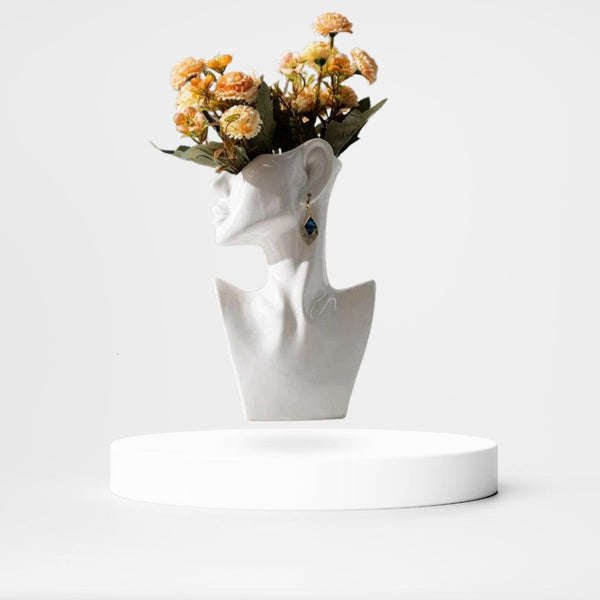
Floating shelves can provide storage, character, and a useful focal point without occupying floor space. The challenge is deciding what belongs on them. Too many small objects create visual noise, while sparse arrangements can appear unfinished when their scale, color, or placement is wrong.
These floating shelf decor ideas begin with measurements and daily function rather than a shopping list. You will learn how to check proportions, build calm arrangements, improve the light around displayed objects, and adapt the approach for living rooms, bedrooms, kitchens, and bathrooms.

Measure the Shelf, Wall, and Nearby Furniture
Begin with the installed shelf or mark its proposed outline using low-tack painter's tape. Record its usable length and depth, then measure the furniture beneath it. Above a sofa, console, or dresser, a shelf that is noticeably narrower than the furniture usually feels calmer than one extending beyond both edges. Test the outline from the room entrance and from the seat used most often; an arrangement that looks balanced straight on may feel awkward from the normal viewing angle.
Depth determines what can sit safely. Measure objects at their widest point, including frames supported by stands and vessels with broad bases. Keep decor fully on the shelf rather than allowing a base to overhang. Also confirm that doors, curtains, cabinet fronts, and walking routes remain clear. For more ways to make limited square footage work harder, see Home Decor Ideas for Small Spaces Bedroom: Stylish & Smart Tips.
Check Vertical Clearance
Arrange the tallest proposed item on a table first, then add comfortable space above it. Closely stacked shelves can hold low books and dishes, but art, plants, and lamps need more breathing room. Near seating, avoid positioning a shelf where someone could strike its edge when standing.
| Check | What to Measure | Why It Matters |
|---|---|---|
| Usable surface | Shelf length and depth | Prevents overhang and overcrowding |
| Furniture relationship | Shelf and furniture widths | Keeps the wall composition proportionate |
| Clearance | Space above, below, and beside | Protects movement and allows taller objects |
Build a Restrained Composition
Choose one visual anchor per shelf: a framed print, sculptural vessel, substantial plant, or short row of books. Add one or two supporting elements that differ in height but share a color, material, or purpose. This creates a readable hierarchy instead of a lineup in which every ornament asks for equal attention. A useful editing test is to photograph the arrangement in grayscale; if every object forms a similarly sized block, remove or regroup something.
Leave deliberate gaps, including space at one end or between two clusters. Empty shelf is not wasted shelf; it outlines the objects and makes cleaning easier. Repeat no more than two or three materials across the full display—for example, pale wood, matte ceramic, and black metal. The quieter approach in Minimalist Living Room Decor Ideas for a Modern, Serene Home offers a useful reference, while 11 Best Budget Friendly Home Decor Living Room Ideas can help you find affordable accents without filling every gap.
Search-oriented home-decor lists frequently include shelf styling among broader decorating topics, indicating that readers commonly approach shelves as part of a complete room rather than as isolated storage. That context is useful for planning, although keyword lists are not evidence for structural, electrical, or installation decisions. California State University
Vary Height Without Making a Zigzag
Place the tallest piece slightly off center and step down through one medium and one low form. Avoid alternating tall and short objects across the entire shelf; that repeated rhythm can become busy. A horizontal stack of two or three books can raise one small object without introducing another color.

Use Light to Reduce Visual Noise
Assess the shelf in daylight and after dark. Strong ceiling light can cast deep shadows under thick shelves, while a bare lamp aimed directly at glass creates distracting reflections. Diffused light from the side or above generally reveals book spines, pottery, and textured objects more gently. Keep highly reflective frames away from direct sightlines, and use shades or frosted diffusers where appropriate.
A small lamp can become the anchor on a sufficiently deep, securely mounted shelf, but manage its cable deliberately and follow the lamp manufacturer's clearance instructions. Do not pinch a lead behind a shelf, trail it across a walkway, or conceal an unsuitable adapter inside decor. Battery-operated lighting also requires the specified batteries, charging equipment, ventilation, and maintenance; being cordless does not remove the need to follow its instructions.
Decor keyword resources show that lighting and wall decor often appear alongside shelf-related searches, which supports considering the whole wall composition. Such marketing data does not establish lighting performance or electrical safety, so fixture instructions and qualified professional advice take priority. U.S. Department of Energy
Choose a Consistent Light Color
When shelf lighting is visible with nearby lamps, select a similar warm or neutral appearance so the objects do not look mismatched from one side to the other. Test the actual finish at night: glossy ceramics and glass-fronted art expose glare sooner than matte books or baskets.

Adapt Floating Shelf Decor Ideas by Room
In a living room, connect the shelves to the largest nearby feature. Echo one color from the rug or upholstery, then use books, art, or pottery rather than several unrelated novelty pieces. For a breezier palette, Coastal Home Decor Ideas Living Room: Stylish Beach Vibes demonstrates how pale finishes and coastal references can feel intentional without turning every object into a theme.
In a bedroom, prioritize calm and clearance. A shelf above a dresser can hold one framed work, a dish for small personal items, and a short book stack. Keep heavy or breakable objects away from the bed and never install a shelf where a sleeper could contact it. If you prefer warmer timber, woven texture, and aged finishes, use Rustic Home Decor Ideas Living Room: Cozy Farmhouse Style as inspiration while preserving open space.
In kitchens and bathrooms, function matters more than symmetry. Keep kitchen shelves away from direct heat, steam, and grease where possible, and reserve open storage for frequently cleaned items. In bathrooms, account for humidity and follow the shelf and fastener manufacturer's suitability guidance. Avoid placing glass, ceramics, or electrical accessories where they could fall into a basin, bath, or walkway.
Style a Small Entry
Use a shallow shelf only where it will not narrow circulation. Pair a small dish with one upright item, leaving enough open surface to set down keys temporarily. A mirror or artwork can supply height without consuming the whole ledge.

Create Cohesion With Color and Texture
Limit the display to a base neutral, one room color, and perhaps one dark accent. The objects do not need to match exactly; a cream vase, oatmeal book jacket, and pale stone frame can belong to the same tonal family. Distribute the darkest accents instead of concentrating them at one end, especially when the shelves are asymmetrical.
Texture supplies variety when color is restrained. Combine something matte, something with a natural grain, and one smoother surface. If the result still feels busy, remove patterns before removing useful objects. Budget Friendly Home Decor Living Room Ideas That Wow provides additional living-room examples of creating impact through a few deliberate choices rather than an expensive collection.
Edit Personal Collections
Display a small rotation rather than every keepsake at once. Group related pieces on one shelf, photograph the setup, and store the remainder safely. Seasonal rotation keeps the display personal while preventing a collection from becoming a dense row of similarly sized objects.
 irm the wall construction, mounting method, and shelf capacity before styling the finished installation.
Install and Load Shelves Safely
Treat styling and installation as separate decisions. Identify the wall construction, locate utilities and suitable support, and use the shelf manufacturer's specified hardware and method. Product capacities depend on the shelf, brackets, fasteners, wall, spacing, and quality of installation; do not infer a safe load from appearance. If the wall type or concealed services are uncertain, consult a qualified installer.
After installation, check that the shelf is level, stable, and undamaged before adding decor. Load gradually, distribute weight as instructed, and keep the heaviest appropriate pieces closest to supported areas rather than at an unsupported edge. Recheck fixings if the shelf shifts, sags, separates from the wall, or develops cracks, and remove the load until the cause is addressed.
Account for Children and Pets
Do not place tempting, sharp, toxic, hot, or easily shattered objects within reach. Trailing plants and cords can invite pulling, while a shelf should never be treated as a climbing surface. Household conditions vary, so placement must reflect the behavior and access of everyone using the room.
Common mistakes
Using Too Many Small Objects
A row of tiny frames, candles, and souvenirs produces many separate edges and shadows. Keep the most meaningful pieces, group two related small items beside a larger anchor, and store or rotate the rest.
Ignoring the View From the Side
Deep frames, exposed supports, leaning objects, and visible cables may look tidy only from the front. Inspect the shelf from entrances and seating positions, then correct protrusions and cable routes without exceeding the shelf's usable depth.
Forcing Perfect Symmetry
Identical stacks on both ends can feel rigid and often require unnecessary filler. Balance visual weight instead: one larger pale object can counter two smaller dark objects when enough negative space separates the groups.
Styling Before Checking Support
An attractive arrangement is not proof that a shelf is secure. Confirm the installation requirements and permitted loading first, then choose objects that fit those limits. Stop using any shelf that moves, cracks, or pulls from the wall.
Frequently asked questions
How many items should go on a floating shelf?
There is no universal number because shelf length and object scale vary. Start with one anchor and one supporting cluster, leaving visible open surface. Add another item only if it improves balance or serves a clear function.
How do you make floating shelves look less cluttered?
Reduce the number of small objects, limit the palette, conceal or reroute visible cables safely, and create gaps between clusters. Repeating a material or color two or three times helps the eye connect separate items.
Should floating shelves match the furniture?
They do not have to match. A related undertone, repeated metal finish, or shared color is usually enough. Before committing, compare samples in daytime and evening light because wood and paint undertones can shift.
What should not go on floating shelves?
Avoid anything exceeding the stated installation limits, as well as unstable, overhanging, or easily pulled objects. Placement near beds, seats, cooking areas, water, children, or pets requires additional caution.
How often should shelf decor be edited?
Edit when the shelf becomes difficult to clean, stops supporting the room's function, or accumulates unrelated items. A quick seasonal review is practical, but there is no need to replace objects simply to follow trends.
Conclusion
The most effective floating shelf decor ideas rely on proportion, hierarchy, useful light, and deliberate empty space. Measure first, choose one anchor, add only a few connected objects, and judge the arrangement from the places where you actually see it.
Finally, let safety set the boundaries: follow the shelf and hardware instructions, respect the wall and room conditions, and remove the load if anything shifts. A secure, easily maintained display will remain calmer and more useful than an overfilled one.