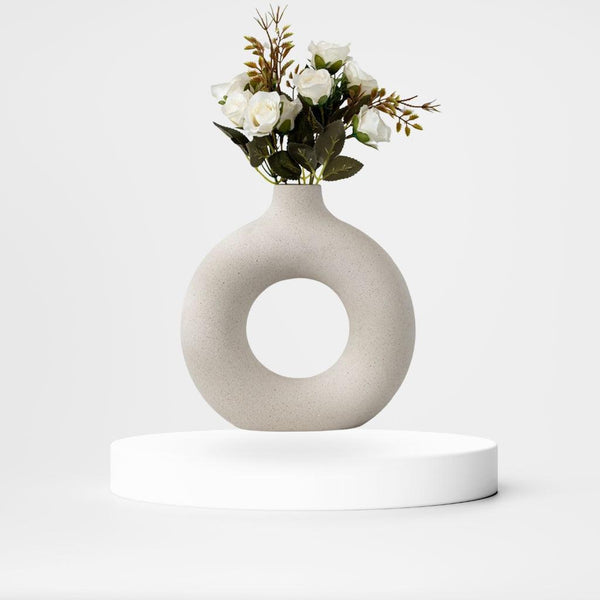
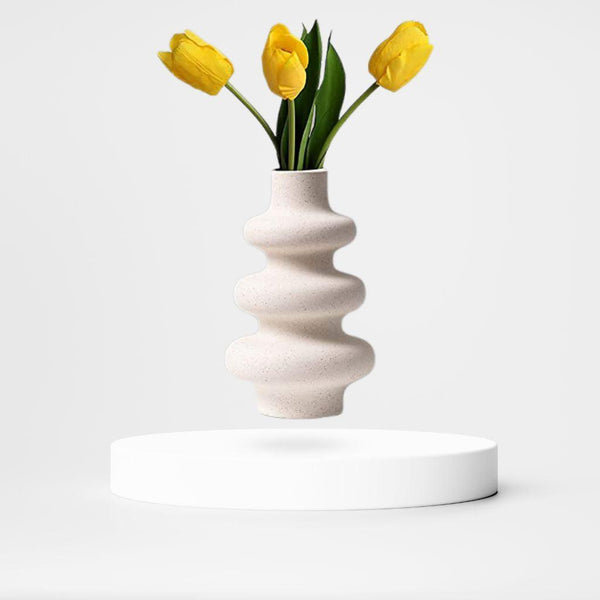
The best kitchen counter decor ideas make the room feel warmer without interfering with chopping, serving, cleaning, or access to appliances. That balance begins with observation: note where groceries land, which outlets stay busy, where steam collects, and how much uninterrupted preparation space you use on a normal evening.
Lighting should support the same goal. A small lamp or concealed light can soften an otherwise clinical kitchen, but it cannot compromise task visibility or sit carelessly beside water, heat, grease, or trailing cords. The following room-by-room checks help you choose a few well-scaled objects, place them deliberately, and create comfortable light while respecting product instructions and household safety.

Measure the counter before styling it
Start by dividing the counter into working and display zones. Keep the longest uninterrupted stretch beside your principal preparation area clear; in many kitchens, that matters more than achieving symmetry. Open every nearby drawer, appliance door, and cabinet before assigning a decor spot. A beautiful lamp becomes irritating if its shade blocks a door or its base must be moved whenever you use the toaster.
Measure counter depth, the height to the underside of the cabinet, and the width of the proposed grouping. Leave breathing room around objects so wiping does not become a miniature obstacle course. As a practical test rather than a universal code, mock up the footprint with paper for several days. If groceries, dishes, or elbows repeatedly invade it, reduce the arrangement. Small-space lessons from Home Decor Ideas for Small Spaces Bedroom: Stylish & Smart Tips can also help when every horizontal surface has competing jobs.
Use a removable footprint
A shallow, washable tray can define the display and let you lift everything at once for cleaning. Choose one that is stable and no deeper than necessary. Avoid placing a tray across grout lines, partly over a sink edge, or where it narrows the route used to transfer hot cookware.
| Counter condition | Check before decorating | Practical response |
|---|---|---|
| Upper cabinets above | Measure object and shade height | Choose a low profile with visible clearance |
| Busy preparation run | Observe the space used during one meal | Move decor to the end of the run |
| Small appliance zone | Open doors and check ventilation instructions | Do not crowd or cover the appliance |
| Narrow galley | Measure remaining usable depth | Use shallow decor or wall-mounted light |
Build one restrained counter grouping
A useful composition often combines three roles rather than three arbitrary ornaments: something that provides light, something that holds a daily tool, and something that contains small loose items. Vary their heights gently, but keep the tallest piece below cabinets and away from doors. Repeating one finish—such as matte ceramic, pale stone, or brushed metal—makes the grouping look intentional without requiring a matching set.
Restraint is especially effective on counters because visual calm reads as cleanliness. The editing principles in Minimalist Living Room Decor Ideas for a Modern, Serene Home translate well here: repeat a limited palette and let empty surface act as part of the composition. For an inexpensive refresh, adapt the reuse-and-edit approach in 11 Best Budget Friendly Home Decor Living Room Ideas by repurposing a washable vessel or tray you already own instead of buying several decorative objects.
Choose kitchen-suitable materials
Favor stable, wipeable pieces with non-scratching bases. Porous, delicate, or heavily textured objects can be harder to maintain near grease and splashes. Keep decorative textiles, dried material, loose paper, and other combustible items well away from burners, hot appliances, and lamps; relocate anything that collects residue faster than you can reasonably clean it.

Layer warm atmosphere with useful task light
Warm accent light can make stone, wood, and ceramic surfaces feel inviting after dark, but it should not be the only illumination used for cutting or checking food. Retain bright, even task lighting over preparation areas and use the decorative source at the dry, quieter end of the counter. Look at ingredients under the complete lighting scheme: if shadows hide knife work or colors become difficult to judge, strengthen the task layer rather than adding more ornaments.
Choose color appearance by testing a bulb or integrated fixture in the actual kitchen, because shades, wall colors, dimming, and adjacent lighting all affect the result. A warm appearance is commonly associated with relaxed evening rooms, while the nighttime bathroom discussion at Livingetc illustrates the broader design interest in gentler after-dark illumination. That article is inspiration, not kitchen electrical guidance; fixture labels, manufacturer instructions, and applicable local requirements remain the relevant authorities.
Control glare and reflections
View the light from standing and seated positions. A shade should conceal the bright source at normal eye level, while under-cabinet lighting should illuminate the worktop without producing a harsh reflection in polished stone. If a dimmer is used, confirm that the lamp, bulb, driver, and control are stated to be compatible.

Adapt the decor to your kitchen layout
In a galley kitchen, protect depth: use a slim vessel, a very shallow tray, or lighting mounted beneath cabinetry instead of a broad lamp. In an L-shaped room, the corner can hold a compact display only if it is not needed for an appliance or as a landing place for hot dishes. On an island, decor should stay low enough to preserve conversation and sightlines, and portable lighting must not introduce a cord across a walkway.
A coastal palette can be suggested through pale ceramic, chalky blue, and lightly grained wood without adding shells or theme props; Coastal Home Decor Ideas Living Room: Stylish Beach Vibes offers a broader reference for creating that atmosphere. For a warmer farmhouse direction, take cues from the natural textures in Rustic Home Decor Ideas Living Room: Cozy Farmhouse Style, but keep rough baskets and fabric away from cooking residue and heat.
Account for rentals and temporary setups
Renters can emphasize reversible changes such as a freestanding tray or an appropriate plug-in lamp in a genuinely dry location. Do not improvise wiring, conceal cords where heat can build, or mount fixtures in ways that conflict with instructions or the lease. Battery-operated products still require attention to their stated location, charging, battery, and disposal directions.

Protect water, heat, and electrical zones
Treat the sink, cooktop, and appliance areas as functional zones before considering appearance. Do not place a decorative electrical light where it can be splashed, knocked into water, exposed to steam or grease beyond its stated suitability, or heated by a burner or countertop appliance. Never assume a small lamp is appropriate for a kitchen merely because it fits; verify its labeling and follow its clearance, bulb, cord, and location instructions.
Route cords so they do not cross the sink, preparation surface, drawer fronts, hot equipment, or walking paths. Avoid overloading receptacles or relying on an extension arrangement as a permanent styling solution. If an outlet is damaged, unusually warm, loose, or otherwise concerning, stop using it and consult a qualified electrician. Decorative advice cannot determine whether a particular installation satisfies the requirements in your jurisdiction.
Perform a nightly safety check
Before leaving the room, switch off decorative lighting when its instructions or your household routine call for it, and confirm that nothing has shifted near a heat source. Check periodically for cord damage, an unstable base, residue around ventilation openings, or a shade that has moved. Discontinue use if a product behaves abnormally and follow manufacturer guidance.

Edit and maintain the finished display
Photograph the counter from the doorway and from the position where you prepare food. The wider view reveals whether a small arrangement has become visual noise; the working view shows whether it occupies valuable reach space. Remove one item, live with the result for a week, and restore it only if it adds function or a meaningful visual anchor. Borrowing the high-impact, low-cost mindset in Budget Friendly Home Decor Living Room Ideas That Wow, rearrangement and subtraction often improve a kitchen more than another purchase.
Search-oriented decor lists can reveal the vocabulary people use for home styles, as illustrated by California State University, but popularity is not evidence that an idea fits your counter or is safe near food, water, and heat. Use trend material as a prompt, then test every choice against your room measurements, cleaning habits, appliance instructions, and actual cooking routine.
Set a cleaning rhythm
Lift the entire grouping during routine counter cleaning and wipe each object according to its care instructions. Greasy film is a sign that the display is too close to cooking activity or too intricate for the location. Reduce the number of pieces or move them rather than accepting a surface that is difficult to keep clean.
Common mistakes
Decorating the prime work zone
Placing decor beside the cutting board forces repeated rearrangement and increases the chance of spills or breakage. Observe where you naturally work, preserve that continuous area, and move the display to a genuinely quiet end of the counter.
Using accent light as task light
A softly shaded lamp may feel cozy while leaving the knife area uneven or dim. Keep dedicated task lighting for preparation and treat the decorative lamp as a secondary layer. Evaluate glare, shadows, and ingredient visibility after sunset.
Ignoring cords, water, and heat
A cord draped near a sink, drawer, burner, or walkway is not a styling detail to disguise. Reposition the light and follow its instructions. If safe placement cannot be achieved without improvised wiring or a permanent extension, choose another lighting approach.
Crowding appliances and cabinets
Decor can obstruct cabinet doors or reduce the space an appliance needs for operation or ventilation. Test every moving part and consult appliance instructions before final placement. Never cover vents or place combustible decor against equipment that becomes hot.
Choosing difficult surfaces
Highly porous, fragile, or deeply textured pieces can trap residue and complicate cleaning. Select stable, wipeable objects suitable for the setting, protect the counter from scratches, and remove any item that consistently becomes greasy or damp.
Frequently asked questions
How much kitchen counter should remain clear?
There is no single decorative percentage that suits every household. Preserve the longest practical preparation run and the landing areas required by your appliances and cooking habits. Test a proposed display footprint for several days; if you routinely move it to cook, it is too large or in the wrong place.
Can I put a small lamp on a kitchen counter?
Only when the specific product is suitable for the intended location and can be kept stable, dry, clean, and away from heat, grease, traffic, and other hazards. Follow its labeling and instructions. Do not improvise electrical connections, and seek qualified advice when outlet or installation safety is uncertain.
What light color feels warm in a kitchen?
Bulbs and fixtures described as warm generally create a softer, more relaxed appearance, but labels and numerical specifications do not guarantee the same effect in every room. Test the light beside your finishes and retain adequate, color-clear task illumination for food preparation.
How do I decorate a very small kitchen counter?
Use one shallow, removable grouping at the least active end of the counter. Combine function and decoration—for example, a washable utensil vessel paired with integrated lighting—and avoid deep trays. If even a small object reduces working depth, move the visual interest to the wall or beneath the cabinets.
Should kitchen counter decor match every finish?
No. Repeating one or two materials or colors is usually enough to create cohesion. A controlled contrast can provide an anchor, while empty space prevents the display from competing with cabinetry, appliances, and work surfaces.
Conclusion
Successful kitchen counter decor ideas begin with the room's work pattern, not a shopping list. Measure the available footprint, preserve preparation space, choose a small easy-clean grouping, and layer warm atmosphere beside reliable task lighting.
Review the arrangement during cooking and after dark. If it creates glare, traps residue, blocks movement, or approaches water or heat, edit or relocate it. A safer, calmer counter will usually feel more welcoming than a fuller one.