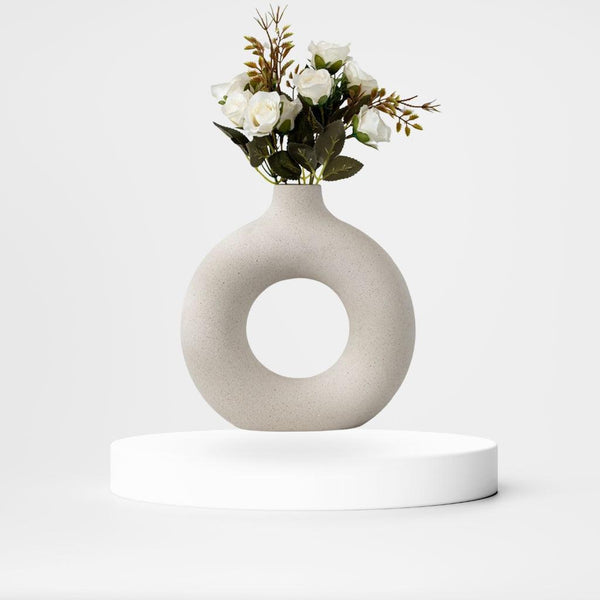
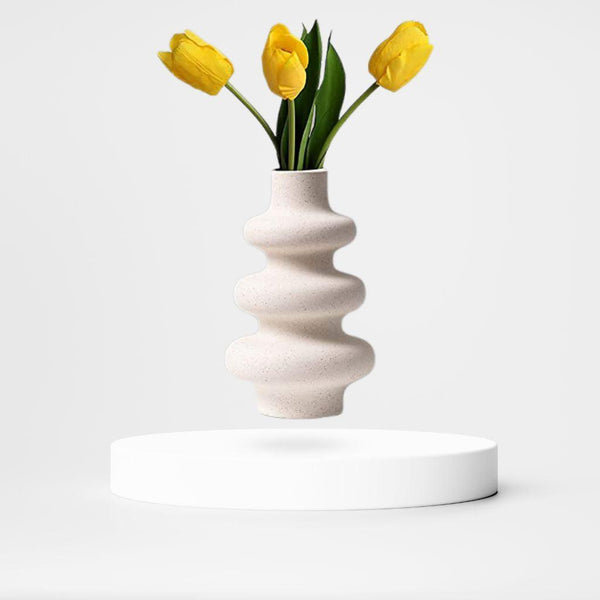
Hand-thrown pottery, woven baskets, carved timber, limewashed walls, and nubby textiles depend on small changes in light and shadow. Point a lamp straight at them and those variations can disappear; aim too sharply from the side and every ridge may cast a distracting shadow. Effective lighting textured decor is therefore less about brightness than about direction, distance, beam spread, and contrast.
The goal is selective grazing light supported by softer ambient illumination. Begin with one object or surface, observe it from the room's normal viewing position, and make one adjustment at a time. The following method works with portable lamps and adjustable fixtures, so you can improve how tactile pieces read without turning a comfortable home into a showroom.

Read the texture before adding light
Start during daylight with the decorative lights switched off. Stand where the object is normally seen, whether that is the sofa, doorway, dining chair, or foot of the bed. Notice the direction of existing window light and identify what defines the material: shallow ripples in plaster, an irregular ceramic glaze, raised embroidery, deep carving, or the loose fibers of a woven shade. Fine relief generally needs a gentler angle than deep carving because a very low beam can make tiny irregularities look coarse.
Next, check the finish. Matte clay, raw wood, wool, and chalky plaster usually tolerate directional light well. Glazed pottery, polished stone, metallic thread, and framed pieces behind glass can send a bright reflection directly toward the viewer. Institutional guidance treats color rendering, color temperature, glare, and distribution as related parts of indoor lighting design, which is a useful reminder not to judge a lamp by brightness alone. California State University
Build a base layer before emphasizing an object. A ceiling fixture, shaded floor lamp, or diffuse wall light can keep the surrounding room visible while a second source models the texture. The three-source approach in Lighting Layers Three Sources Tip for Perfect Rooms offers a practical framework, but the layers need not be equally bright.
Make a viewing-position test
Place a portable lamp temporarily to the left or right of the piece and move it in small increments. Sit down after every change. A setup that looks refined while you stand beside the lamp may produce glare at seated eye level. Photograph the object from the main viewpoint as well; clipped white patches and heavy black shadows often appear more obvious in a photograph than during gradual visual adjustment.
Choose a direction that builds relief
Texture becomes legible when light crosses a surface rather than meeting it head-on. For a relief panel or plaster wall, begin with the source offset roughly 30 to 60 degrees from the viewing direction. For a rounded vase, shift the source until a broad highlight rolls across the curve and a softer shadow remains on the opposite side. These are starting positions, not fixed specifications; the depth, sheen, and scale of the surface should determine the final angle.
Grazing light is most dramatic when a source sits close to a wall and sends light almost parallel to it. Use that effect selectively. It can reveal hand-applied plaster beautifully, but it will also expose repairs, dents, seams, and uneven paint. If the wall was not meant to be inspected as a feature surface, move the light farther away or widen the angle until the result feels quieter.
Portable ceramic lamps can contribute texture even when switched off, making them useful near woven or timber objects. For proportion and styling ideas, see Ceramic Table Lamp Trends 2026: Artful Lighting Revival. Keep the lamp visually subordinate when the illuminated object is meant to be the focal point.
Control the cast shadow
Watch the wall behind freestanding decor. A fixture placed close to an object often creates a large, hard-edged shadow; increasing the distance between object and wall or using a broader, diffused source usually softens it. Preserve some shadow because it communicates depth, but redirect any silhouette that crosses artwork, shelving, switches, or a nearby seating area.

| Surface | Useful starting direction | Check before committing |
|---|---|---|
| Textured plaster | Broad light across the wall | Repairs and uneven patches |
| Matte ceramic | Oblique side or upper-side light | Shadow size behind the object |
| Glazed ceramic | High, wide, off-axis source | Reflections at seated eye level |
| Woven fiber | Soft side light with ambient fill | Hot spots and fire clearance |
| Carved wood | Directional light across the carving | Overly dark recesses |
Balance beam spread, distance, and output
A narrow beam concentrates attention but makes placement less forgiving. It can create a bright circle on a wall, bleach the center of a textile visually, or leave the rest of a shelf disconnected. A wider beam is often better for a collection of ceramics or a broad woven hanging because illumination changes more gradually across the display. If an adjustable fixture has a beam control, start wide and narrow it only until the subject separates from its background.
Distance changes both coverage and contrast. Moving a lamp back generally spreads light across more of the subject, while moving it close makes small positional changes more visible. On a console, leave enough room for the shade and base to remain stable, then rotate or tilt the fixture instead of balancing it on books. The adaptable schemes in Living Room Lighting Ideas Modern: Stylish Tips & Trends show how accent lighting can coexist with everyday living-room functions.
Compare the accent with the rest of the room after your eyes have adapted for several minutes. If the feature looks like a stage set or nearby corners disappear, reduce its output or raise the ambient layer. For a more contemporary arrangement, Top Living Room Lighting Ideas Modern for 2026 Trends can help you coordinate decorative fixtures without relying on one conspicuously bright focal lamp.
Use temporary placement first
Test with an adjustable table lamp, clamp light approved for its intended mounting method, or movable floor lamp before installing a fixed wall washer. Mark the successful position with removable tape and repeat the test after dark. Daylight can disguise both glare and excessive contrast, so a nighttime check is essential.

Match light quality to the material
Color temperature affects atmosphere and how finishes relate to one another. Warm light often complements timber, clay, linen, and earth-toned plaster, while a more neutral appearance may suit pale stone or cooler contemporary finishes. Consistency matters within one sightline: a cool accent on a vase beside a much warmer shaded lamp can make the display feel accidental unless the contrast is deliberate.
Color rendering also matters when subtle glaze, dyed fiber, artwork, or timber undertones are part of the appeal. Use manufacturer information as a comparison tool, then view the actual material under the candidate lamp if possible. Specifications cannot predict every interaction among shade fabric, wall color, dimming, and reflected light.
You do not need to replace every fixture to improve the result. Repositioning a lamp, changing one compatible bulb, or adding a simple shade can be enough. The affordable approaches in 11 Best Budget Friendly Home Decor Living Room Ideas are especially useful when you want to test a room before spending on permanent electrical work.
Keep glare out of normal sightlines
Sit or stand at every common viewing point and look for a visible bulb, bright reflector, or sharp reflection. Shield the source with an appropriate shade, alter its tilt, or move it off the mirror-like reflection angle. Never improvise a diffuser with paper, fabric, or another material not designed for the fixture.

Apply the method room by room
In a living room, use a shaded floor or table lamp for comfortable ambient light, then direct a quieter accent across the most tactile feature. A rattan cabinet, carved panel, or ceramic group rarely needs its own powerful beam if it already receives side light from a nearby lamp. Keep reflections out of the television and make sure accent fixtures do not interfere with walking routes.
In a dining room, let the pendant or ceiling light handle the table while a sideboard lamp or wall-mounted source reveals plaster, linen, or pottery. Keep the brightest area near the activity rather than on a decorative wall behind diners. In a bedroom, favor shielded sources and modest contrast; highly directional beams can feel alerting and may shine into the eyes from a reclined position.
Current interiors often combine lived-in, vintage, biophilic, and materially layered elements, but more texture does not require more accent lights. A few edited moments usually read better than illuminating every basket, pot, and grain pattern. Redfin For low-cost ways to refine those moments with existing pieces, consult Budget Friendly Home Decor Living Room Ideas That Wow.
Check the room in real use
Run the room through a normal evening: enter through the usual doorway, sit in each seat, clear the table, and switch on a screen if one is commonly used. Check whether shadows move across work surfaces, cords become trip hazards, or glare appears only from a particular chair. A successful display should survive ordinary use without constant adjustment.

Install and maintain the effect safely
Treat portable placement as a trial, not permission to ignore fixture instructions. Use only compatible bulbs, respect stated wattage and enclosure requirements, keep ventilation openings clear, and maintain the manufacturer's required distance from curtains, woven hangings, dried botanicals, and other combustible materials. Route cords away from walkways and places where furniture legs can pinch them.
Dimmers are useful for balancing accent and ambient light, but the lamp, bulb, dimmer, and any transformer or driver must be mutually compatible. Buzzing, flicker, unusual heat, discoloration, or an intermittent connection warrants switching the fixture off and seeking qualified advice. Fixed wiring, new wall fixtures, and uncertain electrical conditions should be handled by a licensed professional under applicable local rules.
Finally, dust shades, bulbs, reflectors, and textured objects according to their care instructions. Dust can dull a broad highlight, while rotating or replacing decor can move a reflective glaze directly into a sightline. Recheck the setup seasonally because changing daylight and furniture positions can alter the balance.
Use a five-minute final check
Confirm that the source is stable and shielded, the object shows detail from the main viewpoint, highlights retain visible color, shadows do not obscure nearby features, and the surrounding room remains comfortably lit. Then leave the arrangement on for its normal operating period and check for unexpected heat only in ways permitted by the manufacturer's instructions.
Common mistakes
Lighting texture straight on
Front light fills the small shadows that communicate relief, so carved wood and woven fiber may look flatter than they do in daylight. Move the source sideways or above the viewing axis in small increments while keeping enough ambient fill to prevent severe contrast.
Placing the source too close
An overly close source can produce a hard bright patch, an enlarged cast shadow, or uneven coverage. Increase the distance where space and fixture instructions permit, use a broader beam, or diffuse the light with an accessory specifically approved for that fixture.
Highlighting every textured object
When every surface receives an accent, the eye has nowhere to rest and the room can feel commercially displayed. Choose one primary tactile feature and perhaps one quieter supporting moment, allowing unlit materials to remain part of the ambient background.
Judging the light from one position
A glazed pot may look controlled from the doorway and flash brightly from the sofa. Test standing and seated sightlines, including reflections in mirrors, framed glass, polished tables, televisions, and windows after dark.
Frequently asked questions
What is the best lighting angle for a textured wall?
There is no universal angle. Begin with a broad source crossing the wall from the side, then reduce or increase the grazing effect according to the relief. Shallow texture usually benefits from a softer angle, while deeper relief can accept stronger side modeling. Always check whether the same light exaggerates repairs or unwanted surface defects.
Is warm or cool light better for handmade decor?
Warm light often feels natural with clay, timber, linen, and earthy finishes, but the material's true color and the surrounding room should guide the choice. Compare samples in place and aim for reasonable consistency among fixtures visible together.
How can I reduce glare on glazed ceramics?
Move the source away from the direct reflection path between the glaze and the viewer. A larger shaded source, wider beam, higher placement, or lower output can soften the highlight. Test every common viewing position rather than making the adjustment from beside the object.
Can woven wall decor be lit safely?
It can be accented only when the fixture is suitable for the location and installed with the clearances and compatible lamp specified by its manufacturer. Do not drape fibers over a fixture or add homemade diffusers. Consult a qualified professional when fixed wiring, heat, or clearance is uncertain.
Conclusion
Good lighting textured decor preserves evidence of the hand: the uneven glaze, woven loop, tool mark, or plaster sweep. Establish soft ambient light first, cross the chosen surface with a controlled directional source, and adjust the angle while observing from real viewing positions.
Stop when the texture reads clearly but the lighting itself is not demanding attention. That restraint keeps handmade pieces tactile, useful rooms comfortable, and highlights, shadows, and electrical safety under control.