By Homefy Editorial Team · Reviewed and updated July 24, 2026
Editorial method: practical recommendations were checked against the two authoritative sources cited in context below. Product instructions and applicable local requirements take precedence over decorative rules.
Quick answer: Use rule of three vignettes as a measured starting point, not an inflexible formula. Begin with the room’s main user and fixed boundaries, test the idea at full scale, and keep it only when it supports a deliberate focal path, balanced visual weight, and enough flexibility for the room’s real function.
Rule of Three Vignettes: A Simple Formula for Balanced, Beautiful Spaces
The Rule of Three Vignettes is a timeless interior design principle that uses odd-numbered groupings—especially sets of three—to create visual balance with a touch of asymmetry. Instead of rigid, predictable symmetry, this method delivers a polished, designer look that feels effortless and uncluttered. By thoughtfully arranging décor in threes, you can instantly elevate everyday surfaces like coffee tables, shelves, and mantels.
At its core, this approach embraces Harmony Grouping, tapping into the brain’s natural preference for dynamic flow over strict even-number arrangements. Odd numbers feel more organic and engaging, creating movement that enhances the Natural Appeal of any room. Whether you’re styling walls, consoles, or countertops, the rule of three brings cohesion without overwhelming the space.
In this guide, you’ll discover practical ways to apply Rule of Three Vignettes throughout your home, complete with expert tips, real-life examples, and answers to common styling questions. For a deeper dive into achieving perfect balance, explore mastering the Rule of Three for visual balance before moving on to the detailed applications ahead.

Understanding Rule of Three Vignettes and Why They Create Harmony Grouping
Rule of Three Vignettes are carefully curated groupings of three objects—sometimes expanded to other odd numbers like five or seven—arranged with variation in height, texture, and scale. Instead of matching pieces placed symmetrically, this approach embraces intentional asymmetry to create a balanced yet dynamic look. A tall element, a medium anchor, and a smaller accent piece work together to form a visually engaging composition that feels styled rather than staged.
The reason this method delivers instant Natural Appeal lies in how our brains process visual information. Odd-numbered groupings feel rhythmic and organic, guiding the eye smoothly from one object to the next. Even-number symmetry can appear static, while threes introduce subtle movement and depth that enhance Harmony Grouping throughout a space.
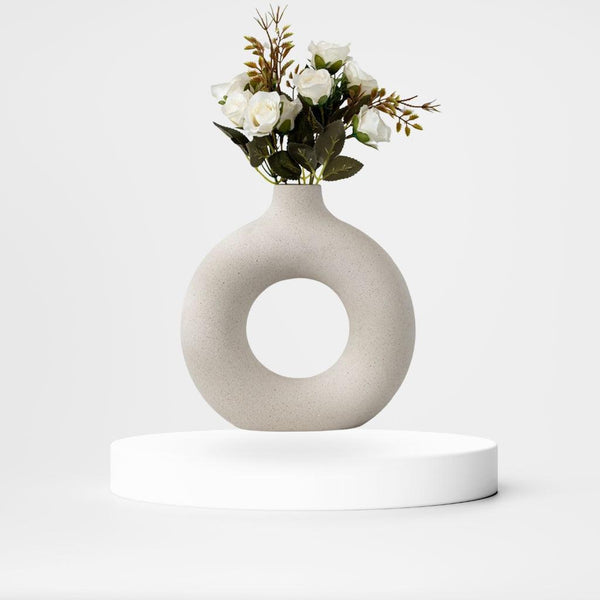
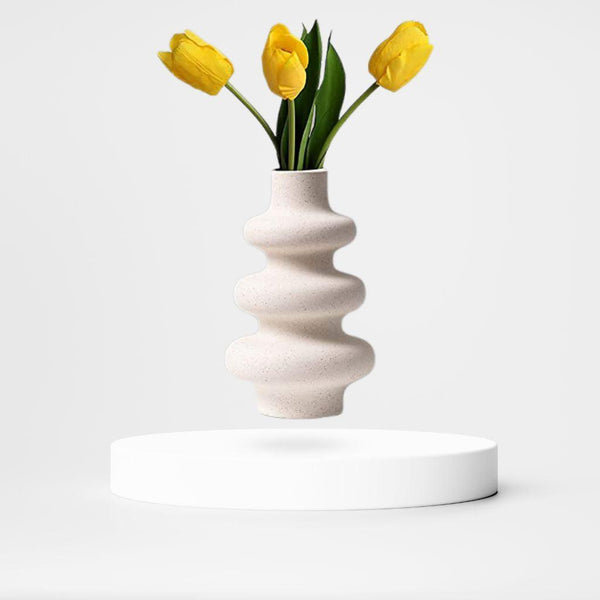
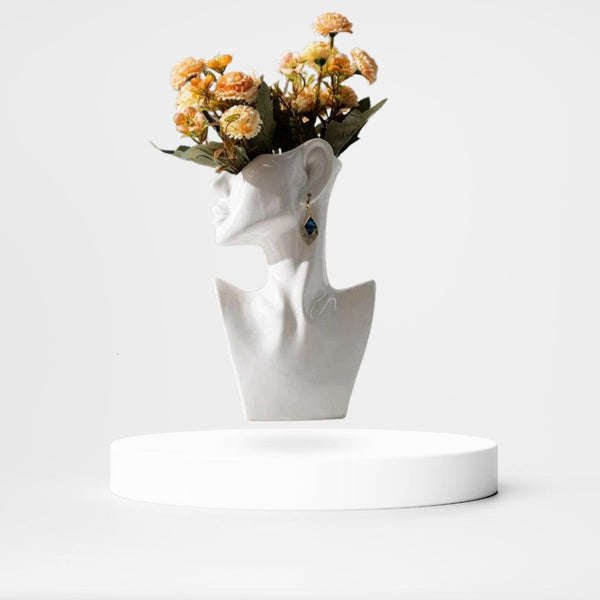
In home decor, this principle helps create effortless cohesion, reduces visual clutter, and elevates everyday styling to a more professional level. However, avoid using objects that are identical in size or texture, or overcrowding a surface with too many items—both mistakes disrupt balance. For an easy example, place stacked books, a sculptural vase, and a decorative bowl on a tray to instantly achieve layered depth and refined charm.

Practical Rule of Three Vignettes for Tabletops, Shelves, and Mantels
Styling everyday surfaces becomes effortless when you apply Rule of Three vignettes to coffee tables and side tables. Start with a tall anchor piece like a vase or lamp, add a stack of books for height variation, and finish with a decorative bowl or candle for softness. Place them on a tray to ground the arrangement and create instant Harmony Grouping. Mixing textures—such as glass, wood, and ceramic—adds depth and boosts the overall Natural Appeal of the display.
On shelves and mantels, think in triangular formations. Combine books, a sculptural object, and a small plant, or style three candlesticks of varying heights to avoid a flat, uniform look.
In kitchens and entryways, functional trios work beautifully—pair canisters with a cutting board and fresh flowers, or style a console with a lamp, bowl, and framed art. Nightstands also benefit from a lamp, tray, and photo stack, proving that thoughtful threes organize surfaces without chaos while maintaining a welcoming, curated feel.

Advanced Applications – Pillows, Walls, Furniture, Colors, and Lighting for Natural Appeal
Infusing natural appeal into home decor extends beyond conventional surfaces like coffee tables. Consider employing Rule of Three vignettes in elements such as throw pillows and bedding. Layer three pillows—one large solid, one medium-sized pattern, and a small textured piece—to achieve harmony grouping on sofas or beds. This arrangement not only enhances comfort but also creates a visually appealing layered texture.
Walls are another great canvas for expressing personality through Rule of Three vignettes. A gallery wall, composed of three art frames either in a row or staggered, creates dynamic asymmetry. For those aiming at expansive displays, consider scaling to five or seven frames while maintaining that essential odd-number harmony.
To cultivate a balanced flow within your room, arrange furniture in groups such as a sofa paired with two chairs, or a bed flanked by two nightstands. These configurations align with the Rule of Three principles, ensuring a seamless visual narrative throughout your living spaces.
Last but not least, incorporate the 60/30/10 color rule within your vignettes, leveraging primary, secondary, and accent hues for a cohesive yet vibrant palette. Enhance the ambiance with layered lighting through floor, table, and overhead lamps, allowing your decor to truly shine.

Rule Of Three Vignettes Decision Guide
What to assess before changing the room
For rule of three vignettes, start with the largest constraint and the person who uses the room most often. A nearby choice can change the answer, so compare the plan with odd Numbers Styling Rule for Memorable Spaces before treating one measurement, ratio, or styling habit as final. The goal is not to reproduce a formula perfectly; it is to make the focal hierarchy, scale, and daily function agree.
| Decision factor | What to check | Why it matters |
|---|---|---|
| Primary focal point | Identify what the eye should read first | Creates direction |
| Supporting rhythm | Repeat height, color, shape, or spacing selectively | Connects the composition |
| Negative space | Leave quiet areas around important elements | Improves clarity and balance |
How to compare two workable options
When comparing rule of three vignettes, mock up both options at full size, photograph them from the entrance and primary use position, and note what each version improves or compromises. Coordinate the surrounding layer with rule of Three Accessories Styling for Perfect Vignettes; that comparison often reveals whether the apparent problem comes from this rule or from a neighboring color, lighting, furniture, or storage decision.
A Practical Step-by-Step Method
Measure, mock up, and observe
While testing rule of three vignettes, work in reversible stages and keep doors, drawers, switches, vents, and cleaning access in the test. If the adjustment changes the wider arrangement, use small Living Room Furniture Arrangement Ideas for More Space as a second planning reference rather than solving the focal object in isolation.
- Choose the main viewing position. Complete the check from the position where the room is actually used, then record what changes before moving to the next step.
- Identify one primary focal point. Make one controlled adjustment at a time so you can identify which decision improves function and which only changes appearance.
- Place supporting elements by visual weight. Photograph or mark the result before editing again; a reference point prevents small changes from turning into an unrelated redesign.
- Photograph the composition from the doorway. Complete the check from the position where the room is actually used, then record what changes before moving to the next step.
- Remove or move the weakest element. Make one controlled adjustment at a time so you can identify which decision improves function and which only changes appearance.
Verify the result with authoritative guidance
For rule of three vignettes, a continuous route works best when doors, floor changes, furniture, and protruding objects are considered together from the beginning. The U.S. Access Board accessible-route guide provides the supporting guidance. Apply product instructions and any local building, electrical, fire, or accessibility requirements that govern the final installation.
When to Adapt the Rule
Functional exceptions come first
Adapt rule of three vignettes when a user’s mobility, a door swing, a low ceiling, a fixed view, a heating source, or a product’s operating clearance changes the priority. Compare the exception with rule of Odds Grouping Principle: Dynamic Balance and keep it only if the room becomes easier to use without creating a new obstruction, glare point, unstable object, or maintenance problem.
Visual and material exceptions still need a reason
A deliberate exception to rule of three vignettes can emphasize architecture, art, craftsmanship, or a meaningful object, but it should remain legible from normal viewpoints. Daylight changes in direction and intensity throughout the day, so color, glare, reflection, and contrast should be reviewed in the room’s real light. Consult the U.S. Department of Energy daylighting guidance for that supporting consideration, then review the completed choice under ordinary household conditions.
Common Mistakes to Avoid
With rule of three vignettes, most mistakes happen when one rule is optimized without checking the rest of the room. Before purchasing or drilling, use rule of Three Furniture: Create Perfect Balance to review the adjacent design layer and confirm that the proposed change still supports the overall plan.
Applying the rule as a rigid count
Composition rules organize relationships; they do not require every surface to contain the same number or ratio of objects. Review this issue against the room’s main use before finalizing rule of three vignettes.
Ignoring function behind the composition
A beautiful arrangement fails when it blocks a route, task, seat, or storage zone. Protect use before refining visual rhythm. Review this issue against the room’s main use before finalizing rule of three vignettes.
Repeating without variation
Exact repetition becomes mechanical. Change scale, spacing, or orientation while retaining one recognizable connection. Review this issue against the room’s main use before finalizing rule of three vignettes.
Frequently Asked Questions
These answers focus on rule of three vignettes. For a broader room-level comparison, master Rule of Three Styling for Perfect Visual Balance can help you test whether the same decision should be repeated, reduced, or adapted elsewhere.
Does the rule apply from every viewpoint?
Prioritize the entrance and primary use position, then make sure secondary views do not reveal a major conflict. Apply that answer to rule of three vignettes only after checking the actual room, user, and product.
Can symmetry and asymmetry be combined?
Yes. Symmetrical architecture can support an asymmetrical object group, or vice versa, when the visual weight stays balanced. Apply that answer to rule of three vignettes only after checking the actual room, user, and product.
How do I identify visual weight?
Compare size, darkness, contrast, texture, isolation, and height; a small high-contrast object can outweigh a larger quiet one. Apply that answer to rule of three vignettes only after checking the actual room, user, and product.
When should the rule be ignored?
Ignore it when accessibility, safety, architecture, or a meaningful object calls for a clearer solution, then rebuild balance around that priority. Apply that answer to rule of three vignettes only after checking the actual room, user, and product.
Conclusion
Embracing the Rule of Three vignettes as a design philosophy can transform the way your home is styled, offering harmony grouping and natural appeal effortlessly. By following the principle of odd-number groupings, specifically threes, you create decor that resonates with our intrinsic love for natural flow and dynamic spaces. This method doesn't just enhance visual appeal; it elevates the overall aesthetic, marrying professional polish with personal flair.
Take the initiative to experiment with one of these vignettes today; perhaps start with a coffee table trio like a tall vase, books, and a decorative bowl. Remember, starting small with threes can effortlessly create a cohesive home environment.