Scandinavian living room decor is often reduced to white walls, pale wood, and a knitted throw. The rooms that actually feel successful are more carefully composed. Furniture fits the available circulation space, lighting comes from several comfortable sources, and natural materials provide enough variation to prevent a neutral scheme from becoming flat.
This guide turns that approach into concrete checks you can use in a real living room. Measure before buying, assess the room in both daylight and darkness, and introduce warmth through light quality, texture, and a few purposeful objects. The goal is not an immaculate showroom; it is a calm, practical room that supports conversation, reading, resting, and everyday clutter without being ruled by it.

Plan the room before choosing Scandinavian decor
Start with a measured sketch rather than a shopping list. Record wall lengths, ceiling height, window and door swings, radiator positions, outlets, and the depth of any projecting hearth. Mark the paths people use between the entrance, sofa, balcony, and adjoining rooms. Aim to preserve a main route of roughly 30 to 36 inches where the room permits; older or very small homes may require less, but the route should still remain unobstructed.
Next, identify what the room must do. A household that reads every evening needs a proper task-light position, while frequent hosts may benefit more from a movable chair and nesting tables. Search-language collections such as California State University show how broadly people interpret home decor, but a coherent room begins with its particular activities rather than a catalogue of trends. If costs are tight, 11 Best Budget Friendly Home Decor Living Room Ideas can help prioritize changes with visible impact.
Test the footprint at full scale
Outline proposed furniture on the floor with removable painter's tape or flattened cardboard. Sit within the taped sofa footprint and walk every route. Check that drawers open, floor lamps will not obstruct curtains, and a coffee table leaves about 14 to 18 inches between its edge and the sofa. These are useful starting ranges, not rigid rules; mobility needs and room geometry take priority.
| Room element | Practical starting check | Why it matters |
|---|---|---|
| Main walkway | About 30–36 inches when possible | Supports comfortable movement |
| Sofa to coffee table | About 14–18 inches | Keeps the surface reachable without crowding |
| Rug around seating | At least the front legs on the rug | Visually connects the conversation area |
| Reading lamp | Test while seated | Prevents glare and hand shadows |
Build a warm, restrained material palette
Choose three foundation families before adding accessories: a light or mid-tone wood, a soft wall neutral, and one grounding textile color. Warm white, putty, mushroom, oatmeal, muted gray, and dusty blue can all work. Compare samples in the actual room during morning, afternoon, and lamplight; a white that looks crisp in a store may appear cold beside a north-facing window.
Texture supplies the variation that a limited palette needs. Combine a flat-painted wall with visible wood grain, a tightly woven sofa, linen curtains, and a wool or wool-look rug. Repeat materials rather than introducing a new finish on every surface. For an even quieter interpretation, use Minimalist Living Room Decor Ideas for a Modern, Serene Home to refine the boundary between Scandinavian warmth and strict minimalism.
Mix wood tones with a visual anchor
Matching every timber is unnecessary. Select one dominant family, such as pale oak, then repeat it in two or three locations. A darker frame or side table can add definition, provided it appears intentional. Examine real samples together because photographs and retailer color names do not reliably represent undertones.

Layer warm lighting for comfort and function
A single bright ceiling fixture usually produces a flat center and gloomy edges. Instead, combine general illumination with task and accent sources: perhaps a dimmable pendant, a floor lamp beside the reading chair, and a small table lamp near the sofa. Place light at different heights so faces, books, and surrounding surfaces are illuminated without turning every fixture to maximum output.
For a warm residential effect, many people begin by testing lamps around 2700K, then adjust for wall color, daylight, and preference. Color temperature alone does not guarantee good light; shade opacity, glare control, color rendering, output, and dimmer compatibility also matter. Houzz's 2026 lighting coverage highlights the decorative role of expressive fixtures, but scale and usable illumination should still guide selection Houzz. Affordable layering ideas can also complement the approaches in Budget Friendly Home Decor Living Room Ideas That Wow.
Check every lamp from seated height
Sit in each chair after dark and look toward the fixtures. A bare bulb visible inside a pendant or floor lamp can cause discomfort even when the room seems dim overall. Reposition the lamp, choose a deeper shade, or reduce output with a compatible dimmer. For reading, test an actual page and confirm that your head or hand does not cast a strong shadow across it.
Confirm dimmer and bulb compatibility
Do not assume every LED bulb will dim smoothly. Check the lamp, bulb, and control specifications, stay within fixture wattage limits, and follow local electrical requirements. Flicker, buzzing, overheating, or repeated shutoffs warrant switching the fixture off and seeking qualified advice rather than improvising a repair.

Select furniture that respects the room's scale
Scandinavian furniture often looks visually light because of raised legs, simple profiles, and restrained upholstery, but dimensions still matter. Compare the sofa's full width, depth, arm thickness, and delivery path with your taped plan. In a compact room, a 40-inch-deep sofa can consume more usable space than its product photograph suggests.
Choose a rug large enough to connect the seating group. Ideally, the front legs of the sofa and adjacent chairs rest on it; a small rug floating beneath only the coffee table can make the arrangement look fragmented. Keep side tables close enough to reach from a normal seated position, and avoid filling every empty corner merely to make the room look complete.
Balance open and closed storage
Use closed storage for chargers, games, paperwork, and other visually busy items. Reserve open shelves for a small rotation of books, ceramics, plants, or framed work. Leave breathing room around displayed objects and review the shelves seasonally instead of treating every surface as permanent exhibition space.

Add softness through textiles and natural details
Begin with the largest textile—the rug or curtains—then choose smaller pieces in relation to it. A tactile rug reduces visual and acoustic harshness, while full-length curtains soften the window wall. Confirm that curtains remain clear of heaters, candles, and other heat sources, and follow any clearance guidance supplied with heating equipment.
Use cushions and throws to introduce restrained color, but vary weave and scale instead of buying a matching set. One coarse wool-like throw, a fine linen cushion, and a subtle stripe often feel more collected than six identical pillows. If you prefer heavier grain, aged finishes, or farmhouse character, Rustic Home Decor Ideas Living Room: Cozy Farmhouse Style offers a useful contrast while retaining the same emphasis on comfort.
Bring in nature with restraint
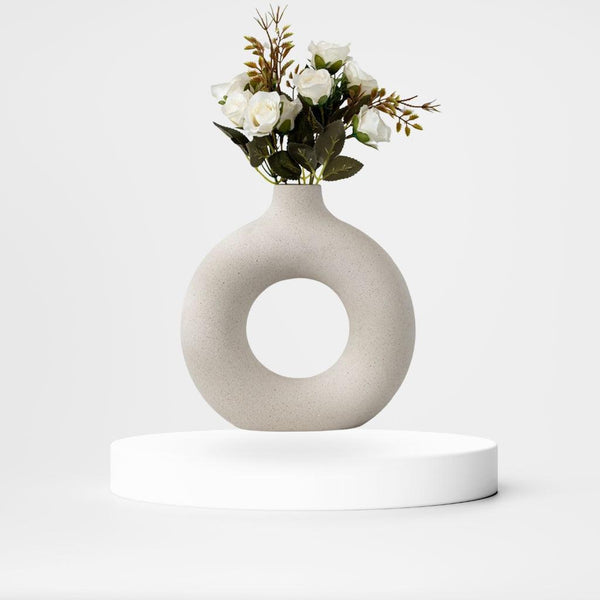
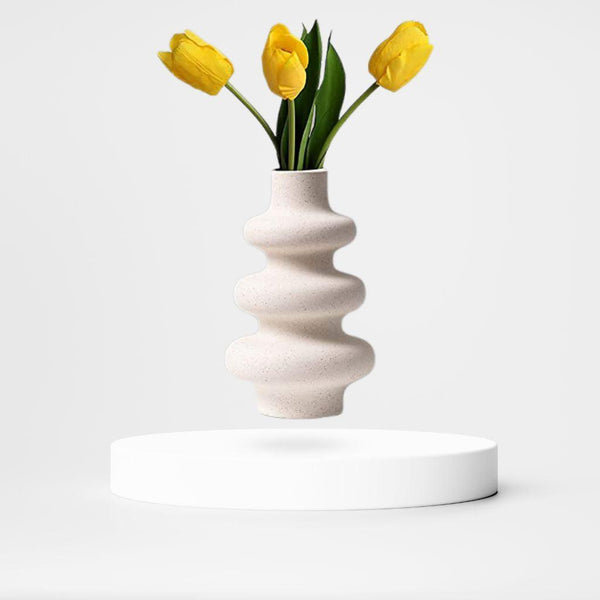
A healthy plant, a branch in a stable vase, or a bowl-shaped ceramic object can provide an organic counterpoint to straight furniture lines. Select plants for the room's real light and household safety needs, especially where pets or young children are present. One well-placed specimen is more effective than crowding a dark corner with struggling plants.

Style personal objects without losing calm
Calm does not require anonymity. Display objects that carry meaning, but group them so the eye can rest. On a coffee table, try one low tray, a book, and a small object while preserving enough clear surface for a drink. On shelves, vary object height and leave deliberate gaps rather than lining items evenly from edge to edge.
Artwork can introduce stronger color without changing the whole scheme. Before hanging, tape paper templates to the wall and view them from the doorway and sofa. Center art in relation to the furniture it belongs with, not automatically in the middle of the wall. A single inherited object can also work beautifully; Vintage Home Decor Ideas Living Room: Retro Styles That Wow shows how older pieces can be integrated without turning the room into a period set.
Edit the room during normal use
Live with the arrangement for a week before buying fillers. Notice where cups, remotes, blankets, and bags naturally collect, then solve those specific needs. A basket beside the sofa or a small tray may improve the room more than another decorative object.
Adapt the Scandinavian look to your daylight
A bright south-facing room can tolerate cooler grays and stronger contrast, while a dim north-facing room often benefits from warmer whites, pale reflective surfaces, and lamps near its darker perimeter. Do not force a reference image onto conditions it was not designed for. Photograph your room at several times of day and note which corners disappear after sunset.
Regional character can still enter through art, craft, and color. The useful Scandinavian principles are clarity, comfort, durable materials, and thoughtful light—not geographic imitation. If your setting suggests bleached texture and relaxed blue accents, compare the controlled use of natural references in Coastal Home Decor Ideas Living Room: Stylish Beach Vibes without replacing the room's functional plan.
Make one change at a time
Change a bulb, reposition a lamp, or remove excess accessories, then reassess before proceeding. Small sequential tests reveal whether the problem is insufficient light, glare, furniture scale, or visual noise and reduce the chance of an expensive corrective purchase.
Common mistakes
Using only white and gray
A room without material contrast can feel cold rather than calm. Retain the restrained palette, but add visible wood grain, woven fabric, warm light, and one deeper tone to create depth.
Relying on one ceiling light
One overhead fixture rarely serves reading, conversation, and evening relaxation equally well. Add shaded task and accent lamps, then evaluate glare from every normal seat.
Buying before measuring
Furniture photographed in a large studio can overwhelm a modest room. Record product dimensions, tape the footprint, verify the delivery route, and preserve working clearances around doors and storage.
Creating unsafe lamp placement
Do not trail cords across walkways, overload outlets, hide energized adapters beneath rugs, or use bulbs beyond fixture ratings. Keep lamps stable and away from vulnerable edges; consult a qualified electrician when outlets, controls, or wiring appear damaged.
Frequently asked questions
What wall color works best for Scandinavian living room decor?
Warm white, soft putty, pale greige, and muted gray are flexible starting points, but orientation changes their appearance. Test large samples beside the floor, sofa, and curtains during daylight and under the lamps you actually use.
What light color makes a Scandinavian living room feel warm?
Many homes find approximately 2700K comfortable in living areas, but the result also depends on shades, output, wall colors, and personal preference. Buy one suitable bulb to test before replacing every lamp, and confirm compatibility with fixtures and dimmers.
Can Scandinavian decor work in a small living room?
Yes. Prioritize a measured layout, compact furniture, visible floor area, closed storage, and several modest light sources. Avoid undersized rugs and excessive miniature accessories, which can make a small room appear busier.
How can I add color without losing the Scandinavian look?
Choose one muted accent family and repeat it in two or three places, such as artwork, a cushion, and a ceramic object. Keep larger surfaces quiet so those repetitions appear intentional rather than scattered.
Can vintage furniture fit a Scandinavian living room?
A vintage chair, cabinet, or lamp can add welcome patina. Check its scale and condition, and have old electrical fittings assessed when their wiring or safety is uncertain. Surround the piece with simpler forms so it remains a focal point.
Conclusion
The most convincing Scandinavian living room decor is measured, layered, and lived in. Protect circulation, choose a limited material palette, and position warm light where daily activities occur rather than decorating by formula.
Finish slowly. Observe the room after dark, remove what has no purpose, and address safety or electrical uncertainties professionally. A calm interior emerges from useful decisions repeated consistently—not from filling the room with objects labeled Scandinavian.